Angielski (ENG)
  Polski (PL)
Unlocking Doors to Recognition in Montenegro
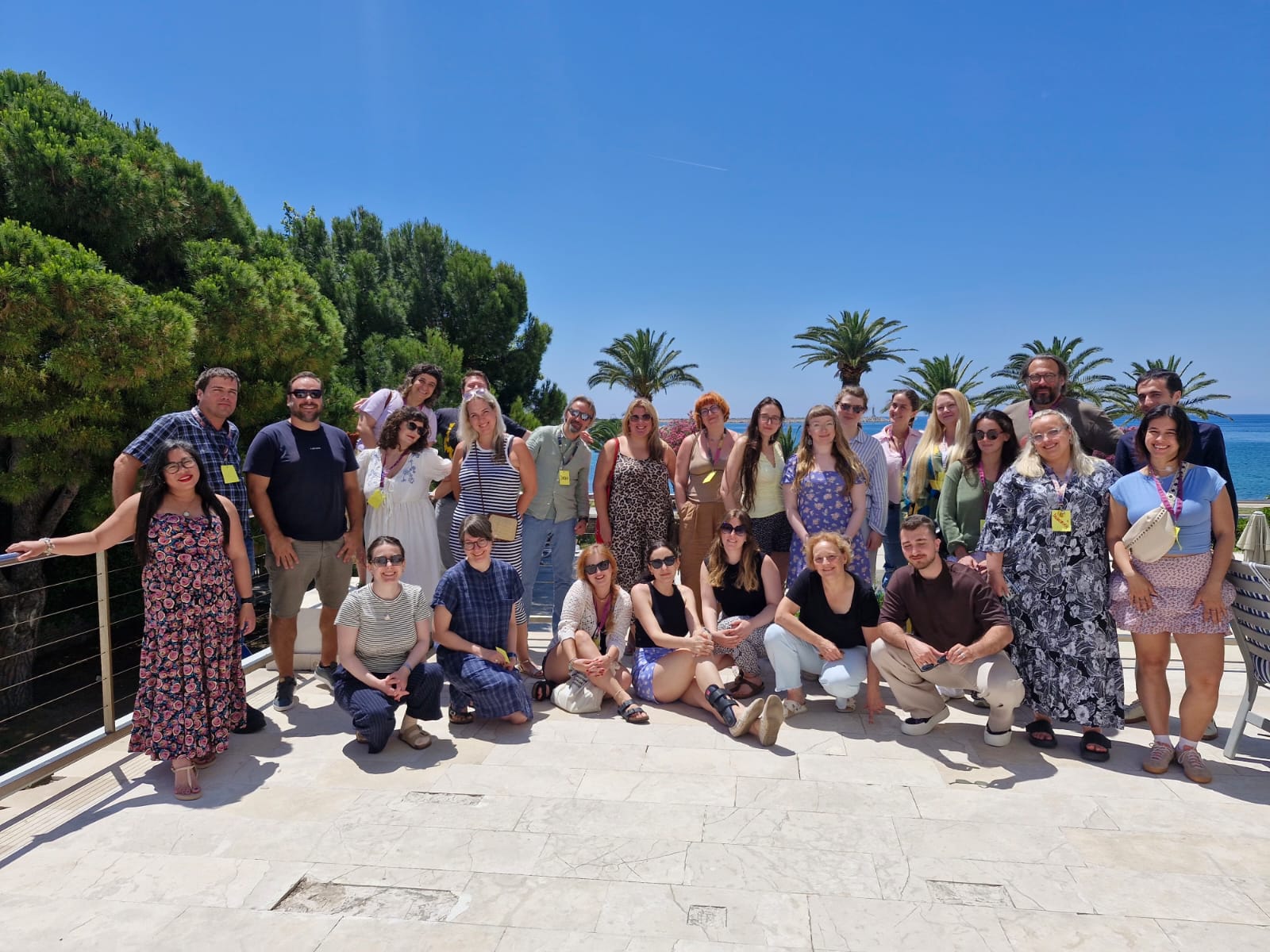
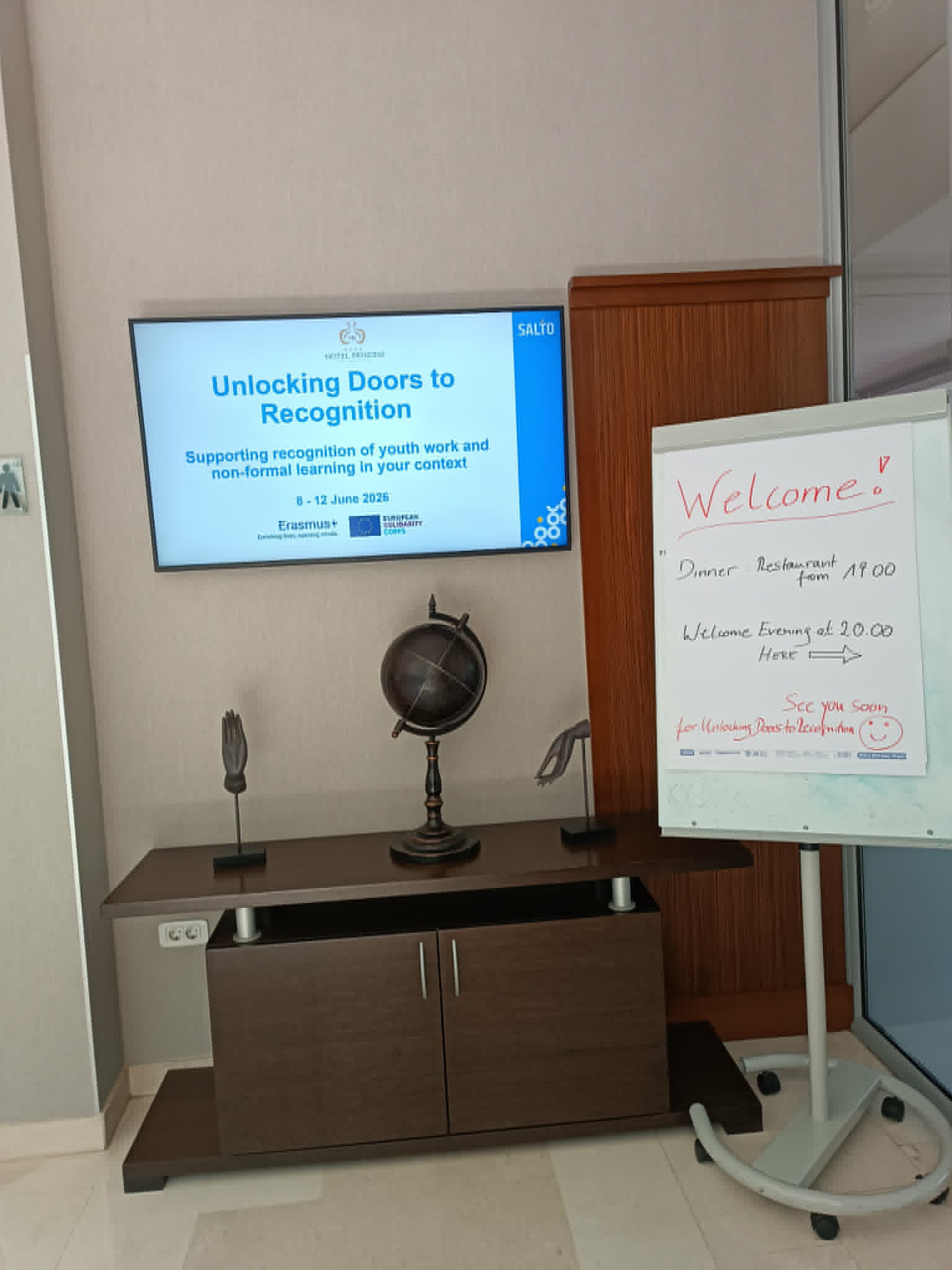
From 08–12 June 2026, we participated in an international seminar held in Bar, Montenegro. HEureka Generator Association was represented by a member of our organisation, Aleksandra Chudek.
The seminar aimed to support participants in increasing their understanding of the recognition of non-formal and informal learning (NFIL) and youth work, as well as in developing strategies and concrete actions to enhance the recognition of youth work in the environments in which participants operate.
We invite you to read Ola’s report.
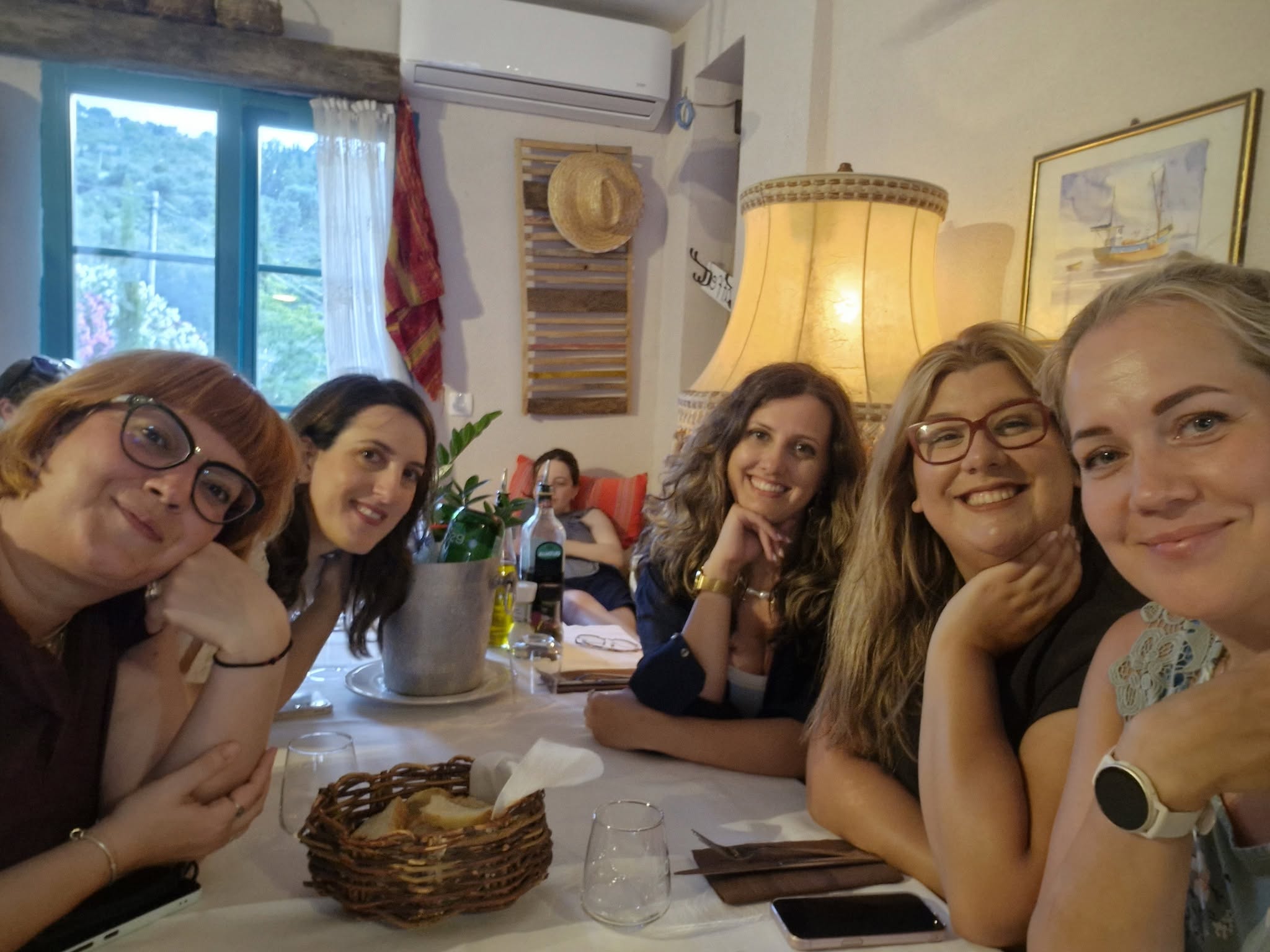
On Monday evening, after dinner, we gathered in the conference room. It was a time to get to know each other, meet the organising team, and go through the programme of the entire event.
We invite you to read Ola’s report.
On Monday evening, after dinner, we gathered in the conference room. It was a time to get to know each other, meet the organising team, and go through the programme of the entire event.
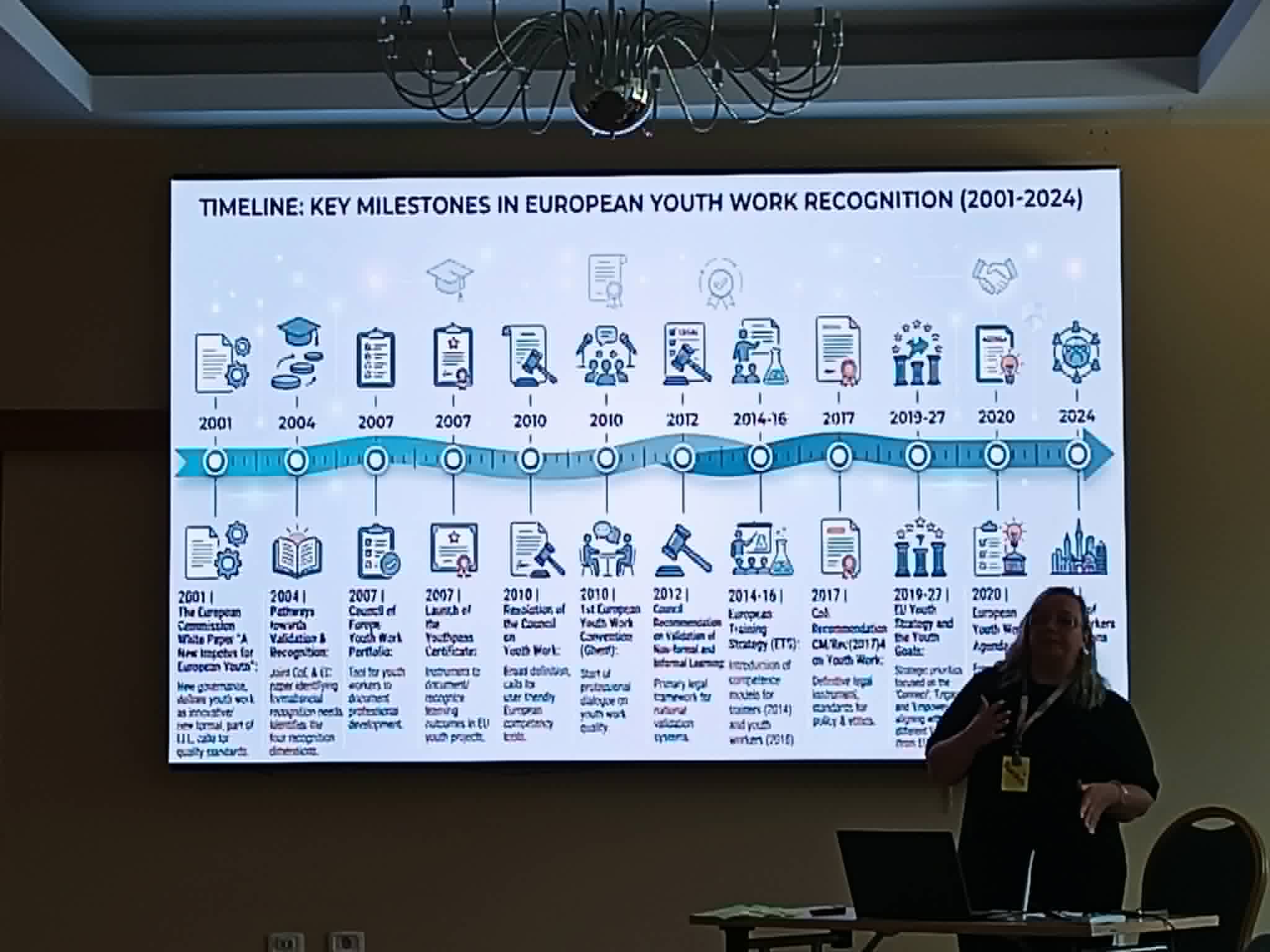
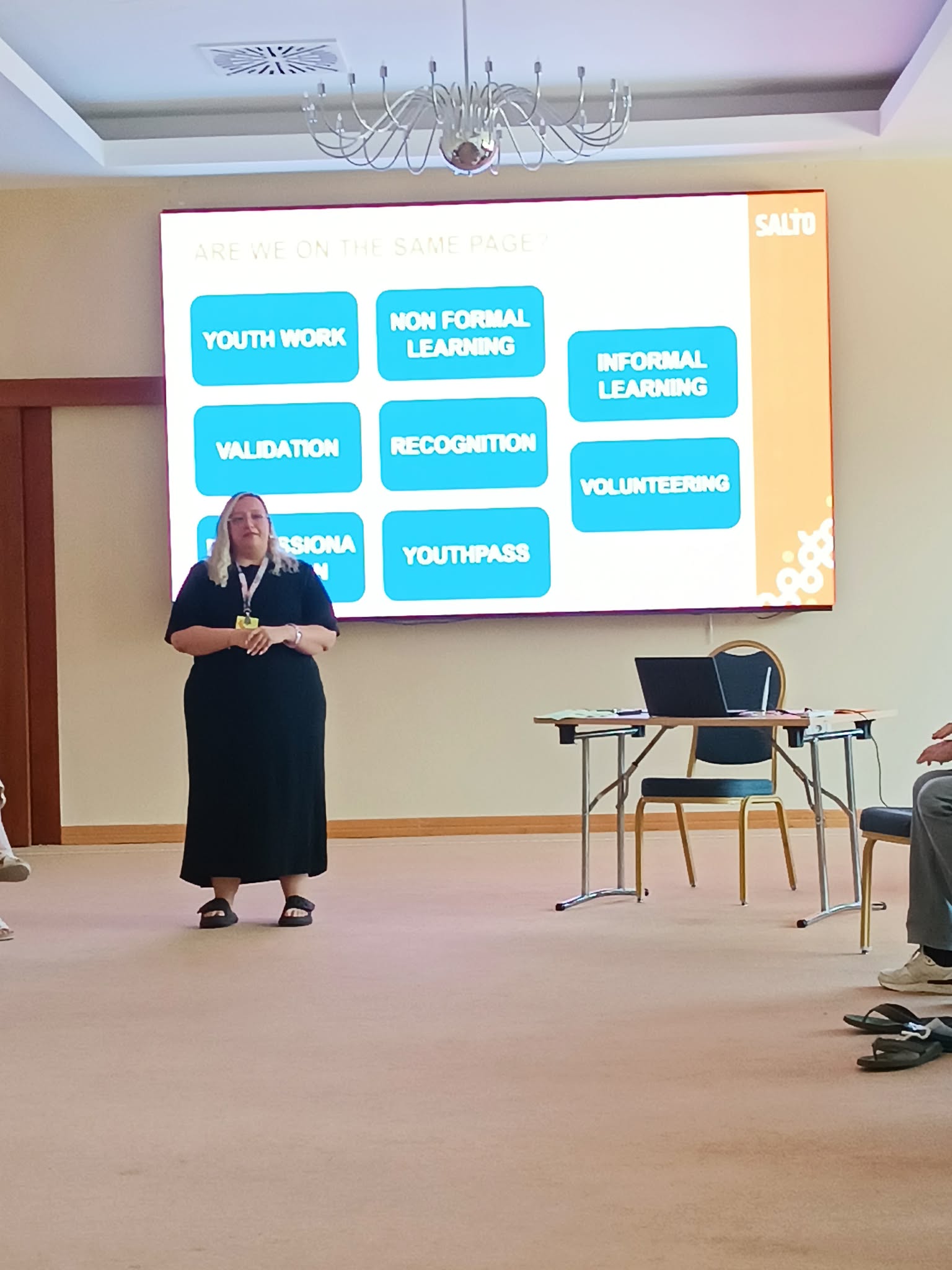
The first full training day began with an introduction to the tools and applications that we used during the seminar, such as Miro and Padlet. We then focused on key concepts related to youth work, including: youth work, validation, professionalisation, Youthpass, recognition, non-formal learning, informal learning, and volunteering. An important part of the session was also analysing the timeline of the most significant milestones in the recognition of youth work in Europe between 2001 and 2024, with reference to the situation in our own countries.
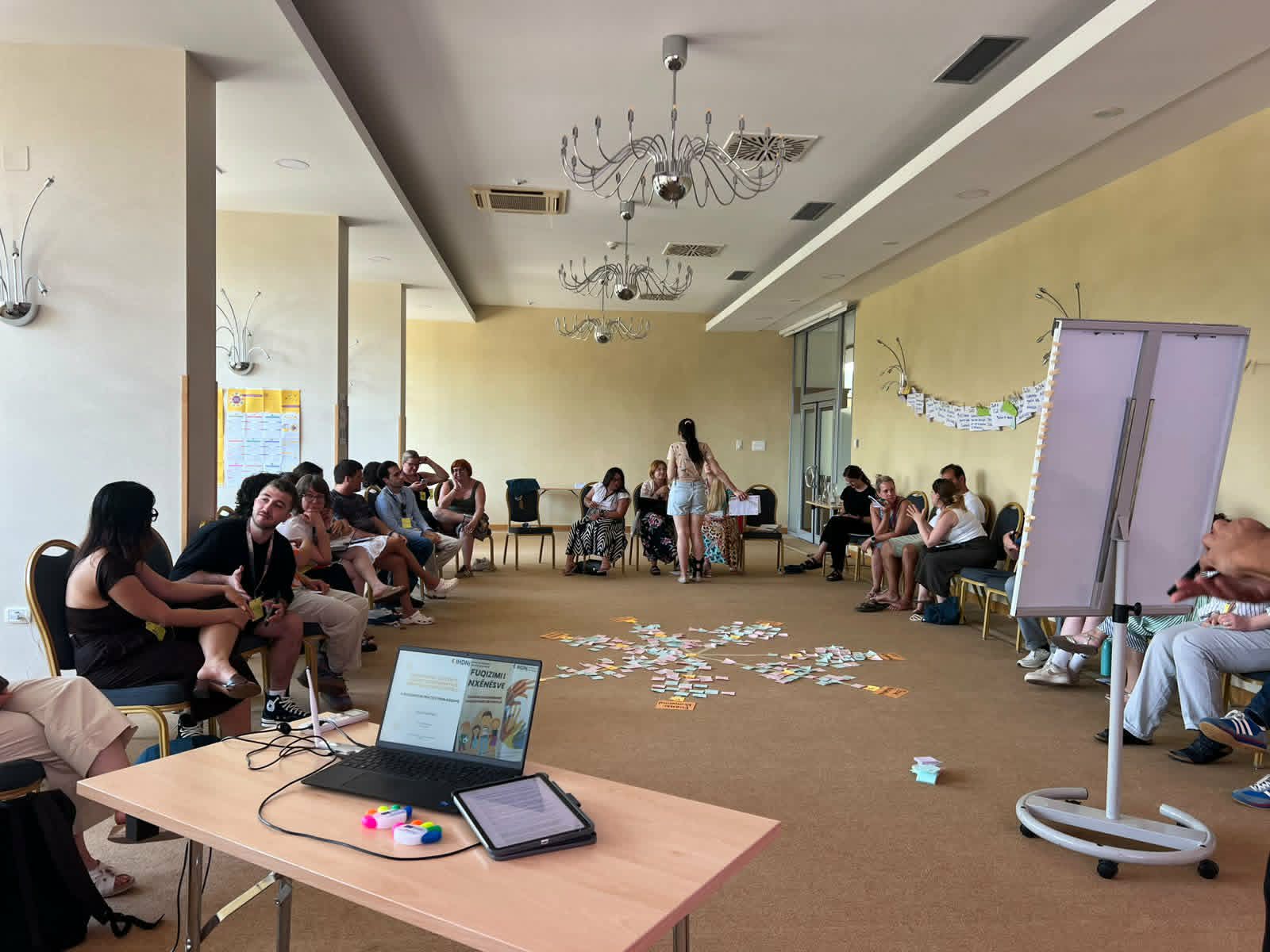
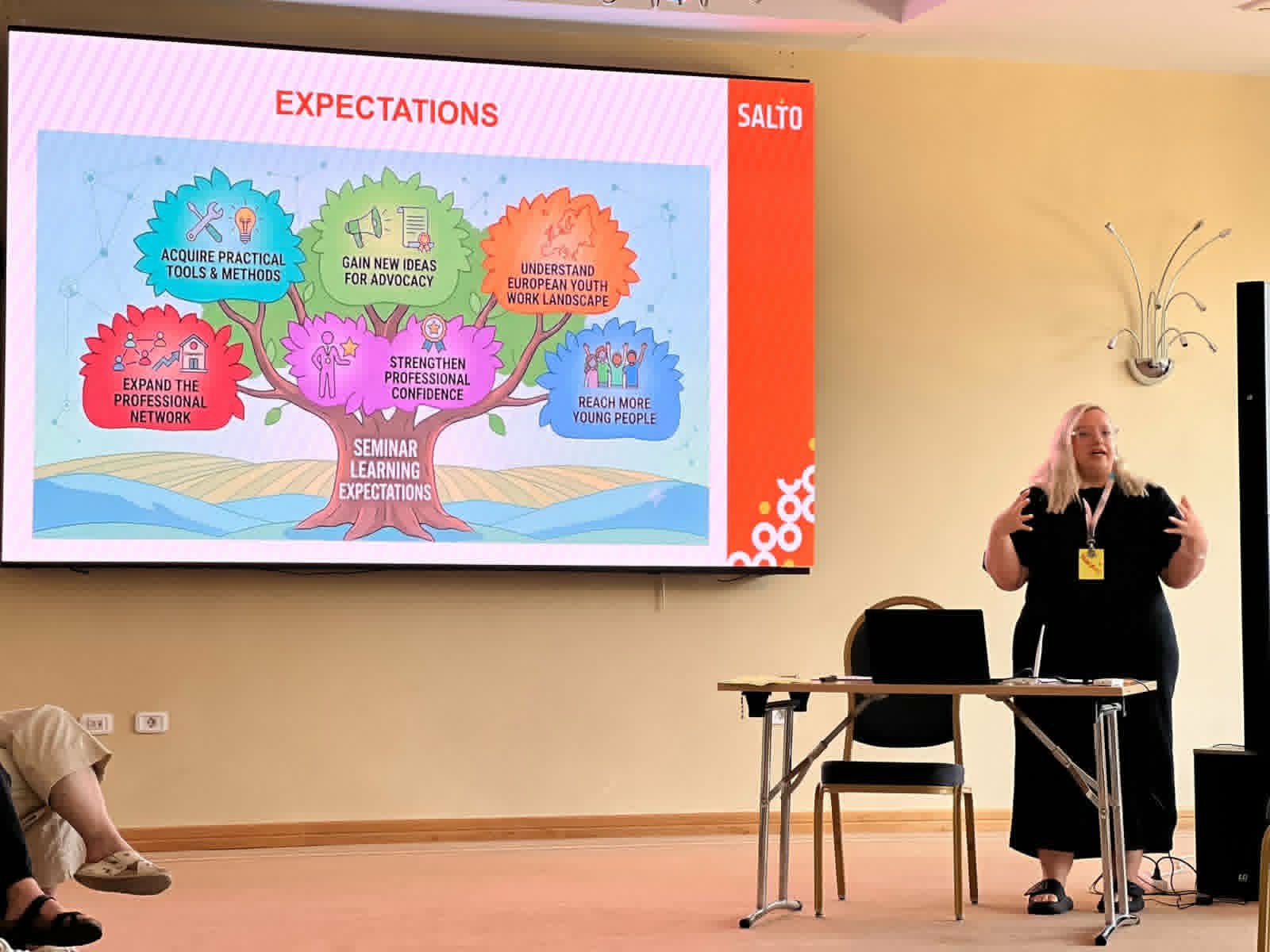
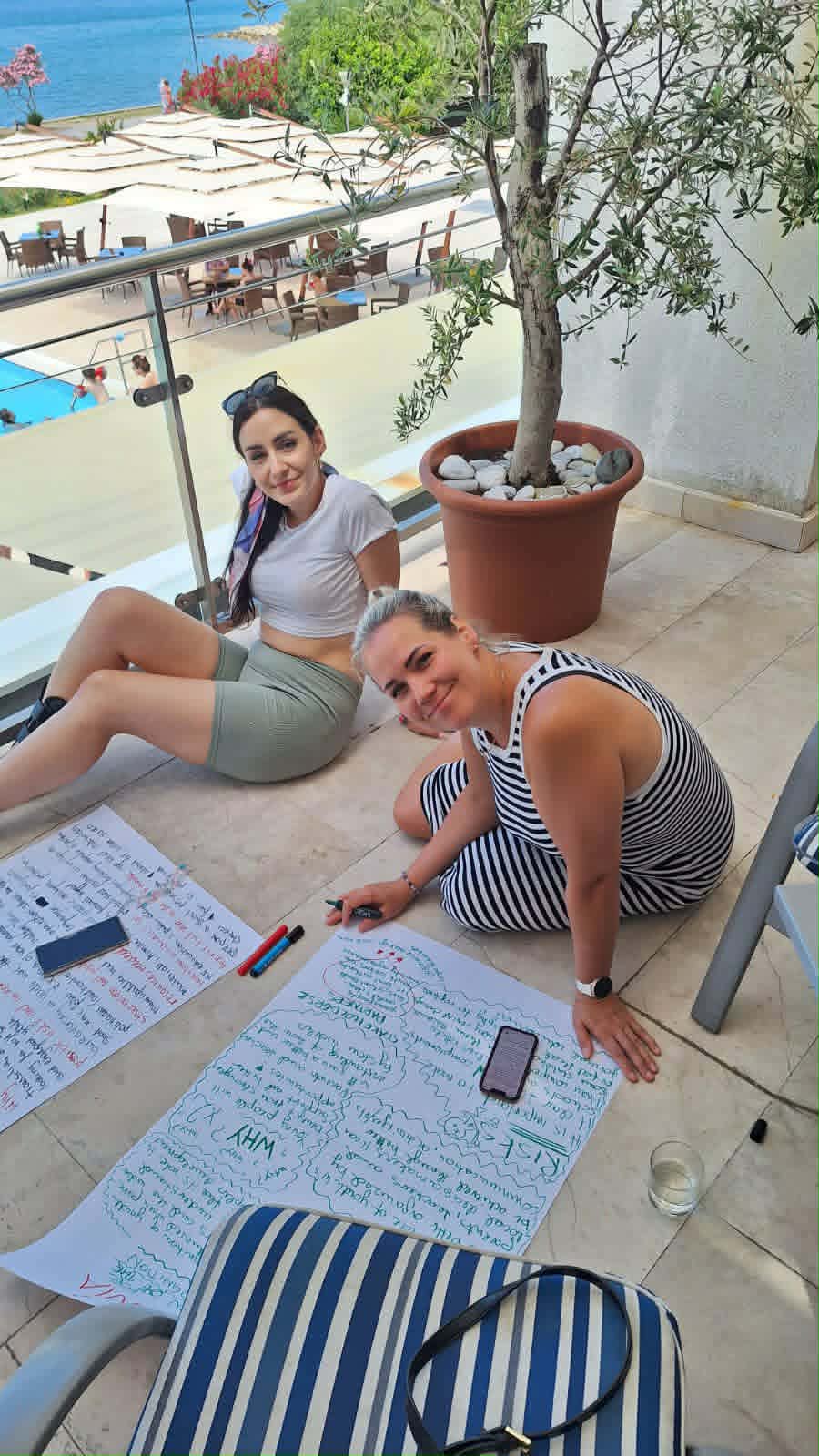
After the coffee break, we moved on to group work dedicated to different areas of recognition: self-recognition, social recognition, formal recognition, validation of learning outcomes, economic recognition, political recognition, and sectoral recognition. Throughout the day, we worked in small groups, sharing experiences and analysing the state of recognition of youth work in our countries.
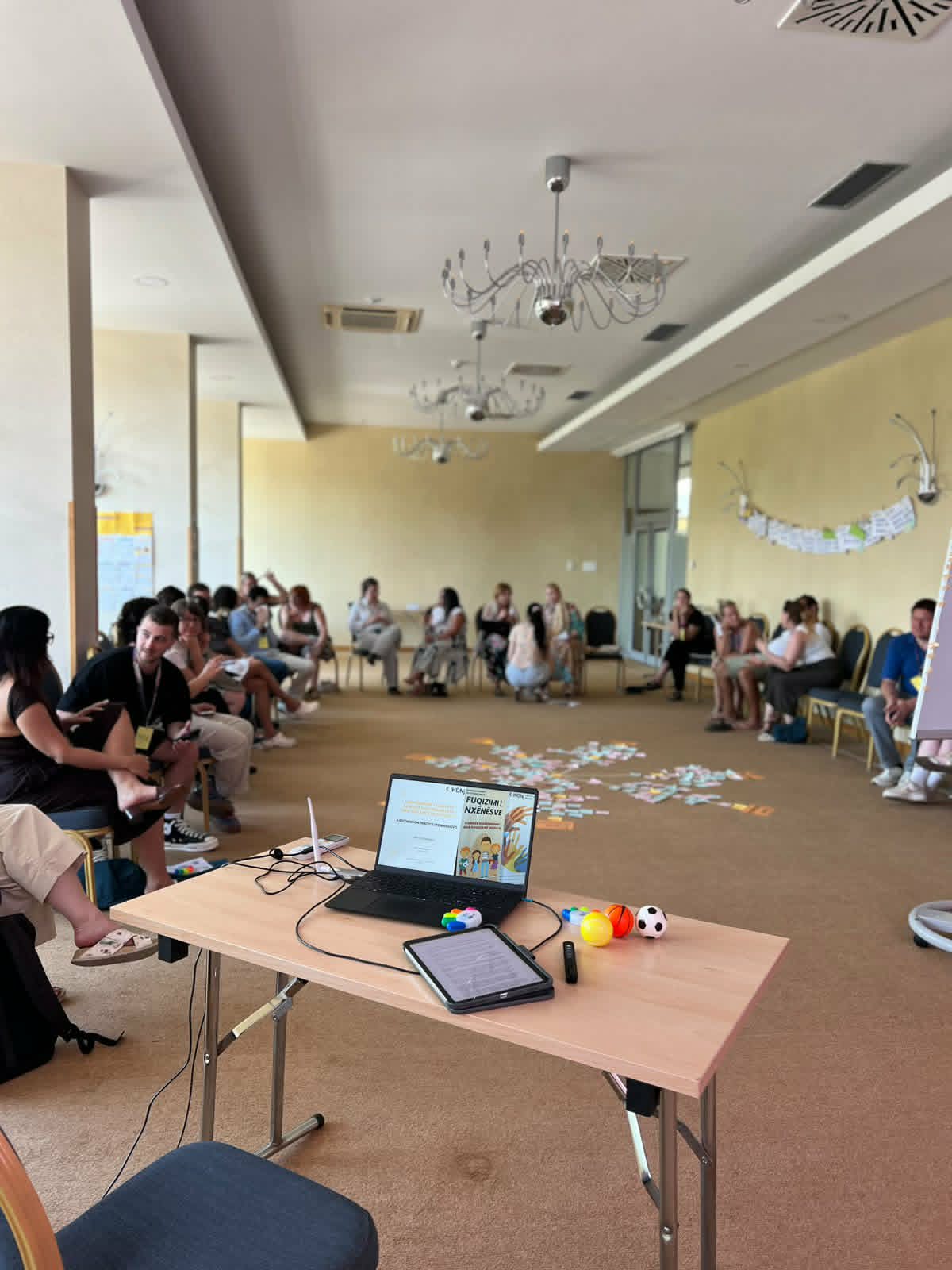
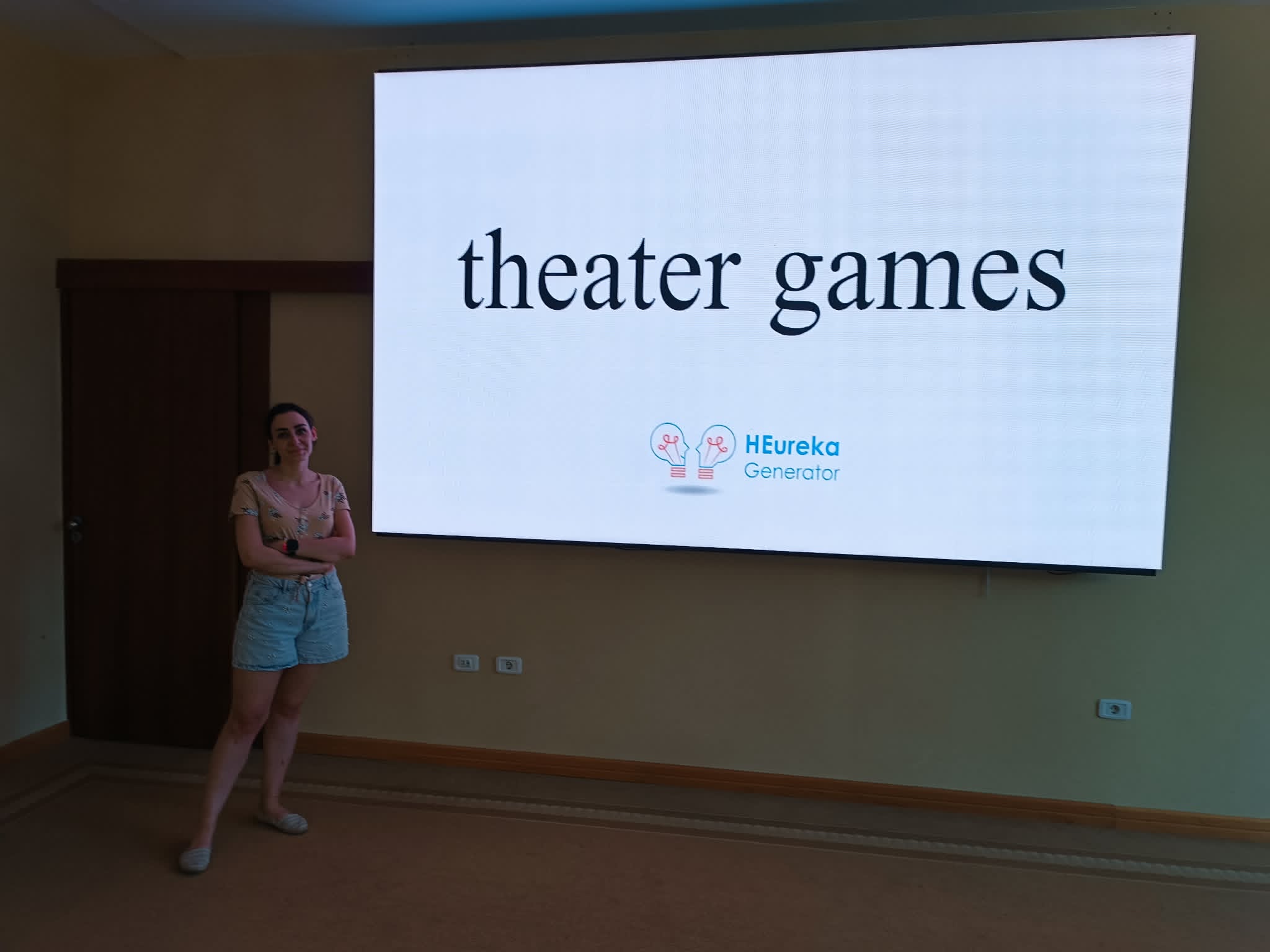
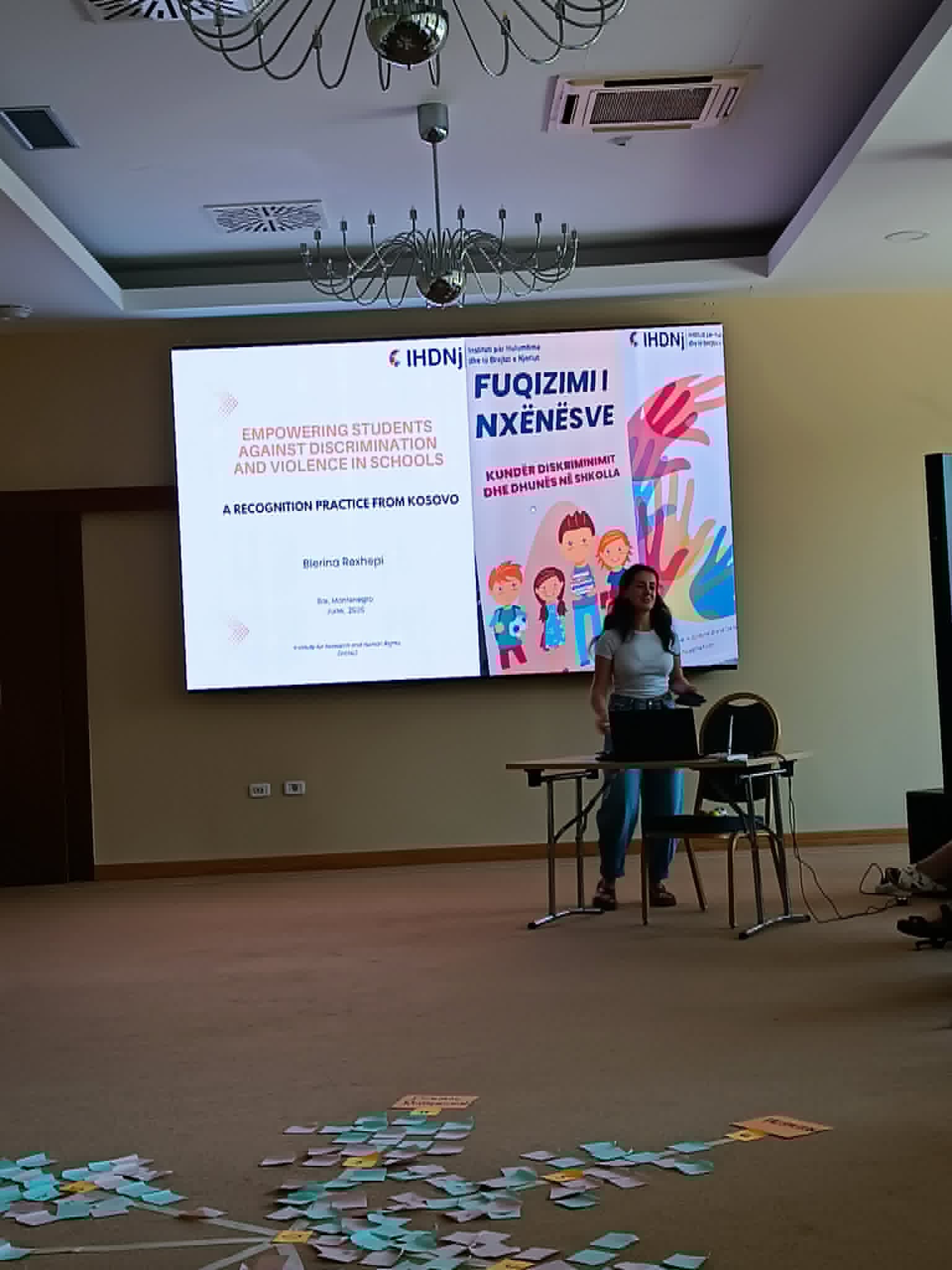
In the afternoon, three participant presentations took place, including my presentation, which focused on the use of theatre games by HEureka Generator Association in our work with different groups of people. Each presentation lasted 10 minutes and was followed by a Q&A session. Presentations were also delivered by Laura from Germany and Blerina from Kosovo. Their topics were: “Making Youth Engagement Visible” and “Empowering Students Against Discrimination and Violence in Schools”.
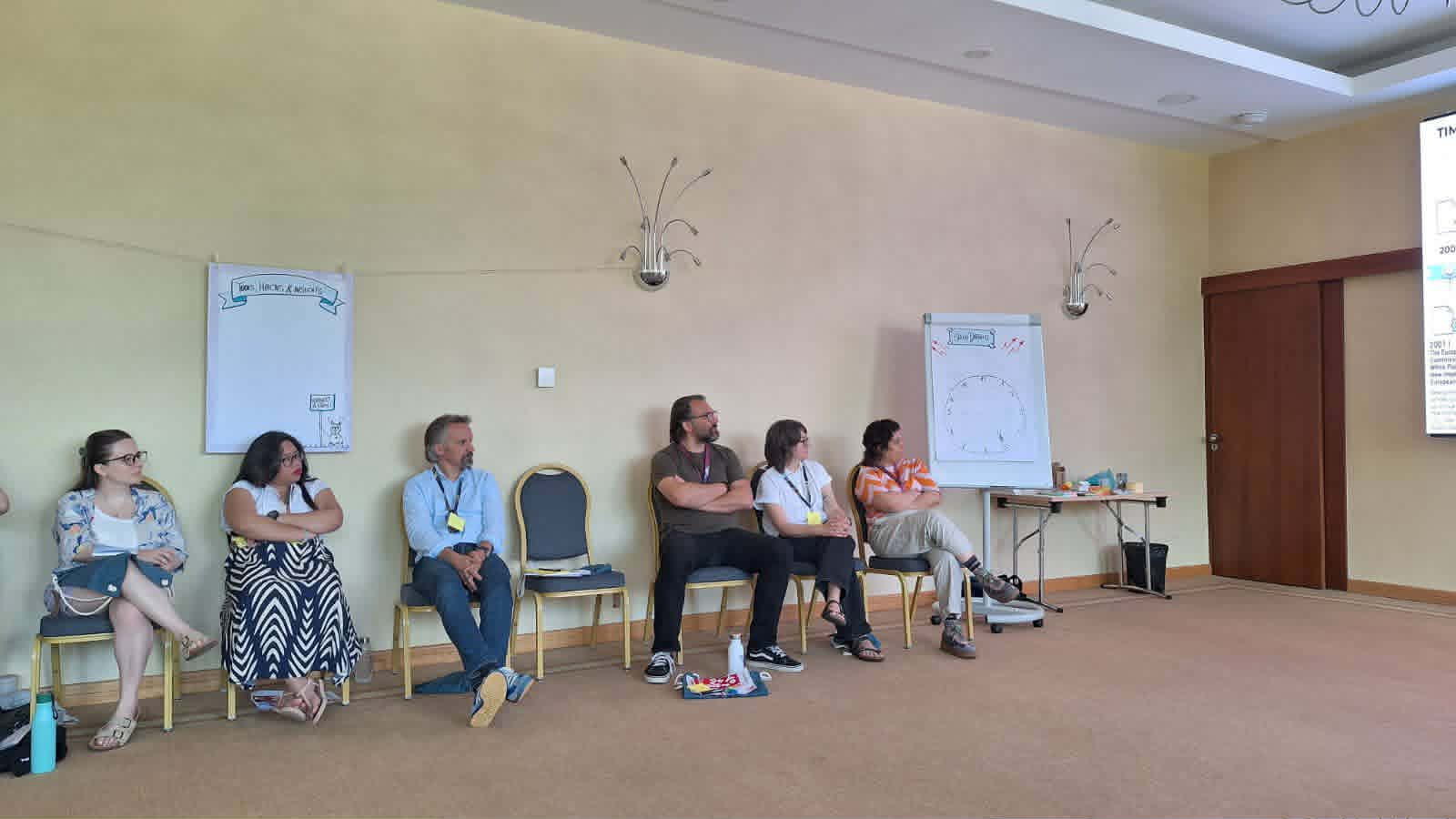
The next stage involved group work on the task "Creating Your Own Recognition Initiative Step by Step". We focused on three questions and posted our answers on the Miro platform. The day ended with an integration evening prepared by the organisers.
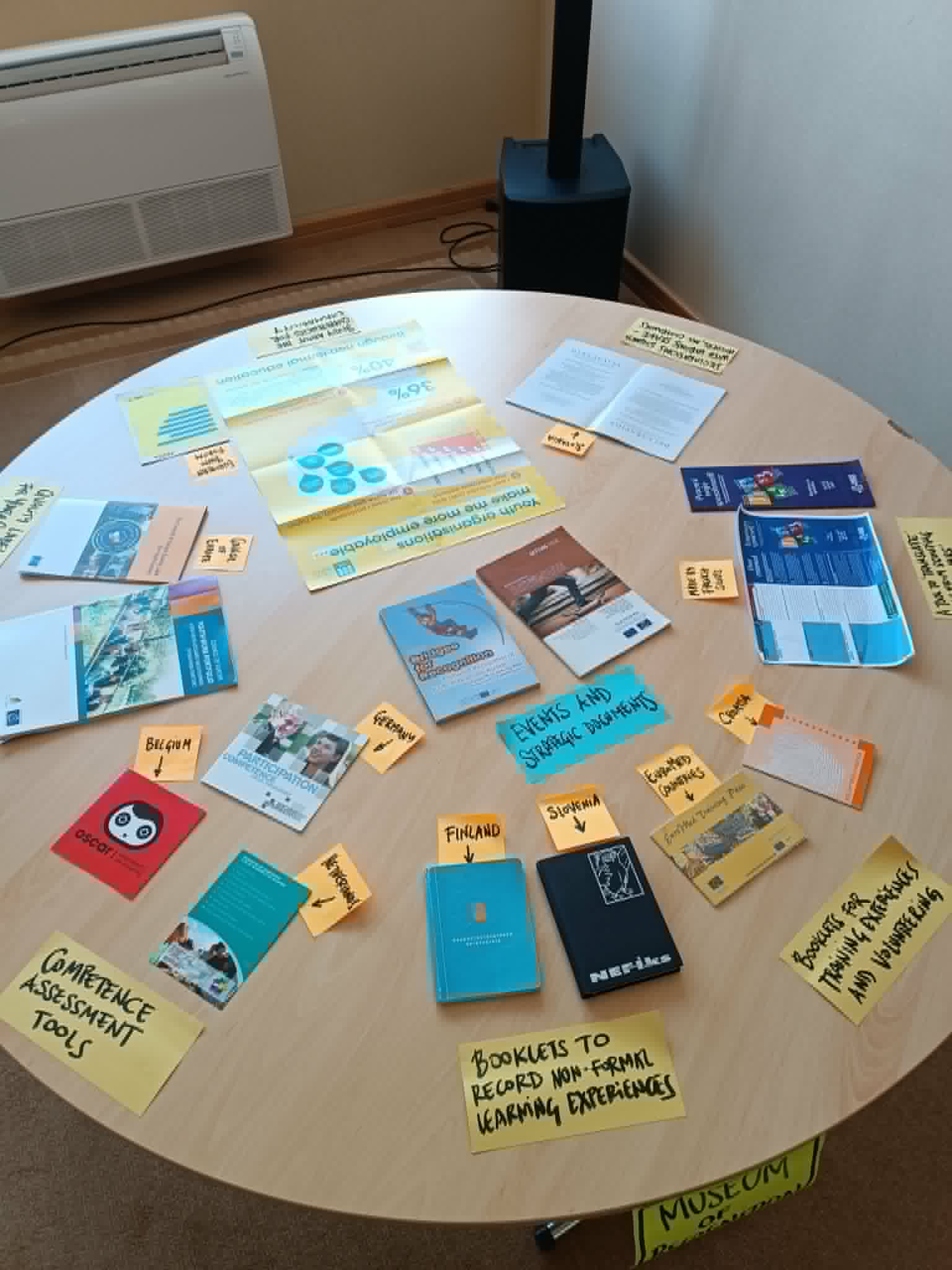
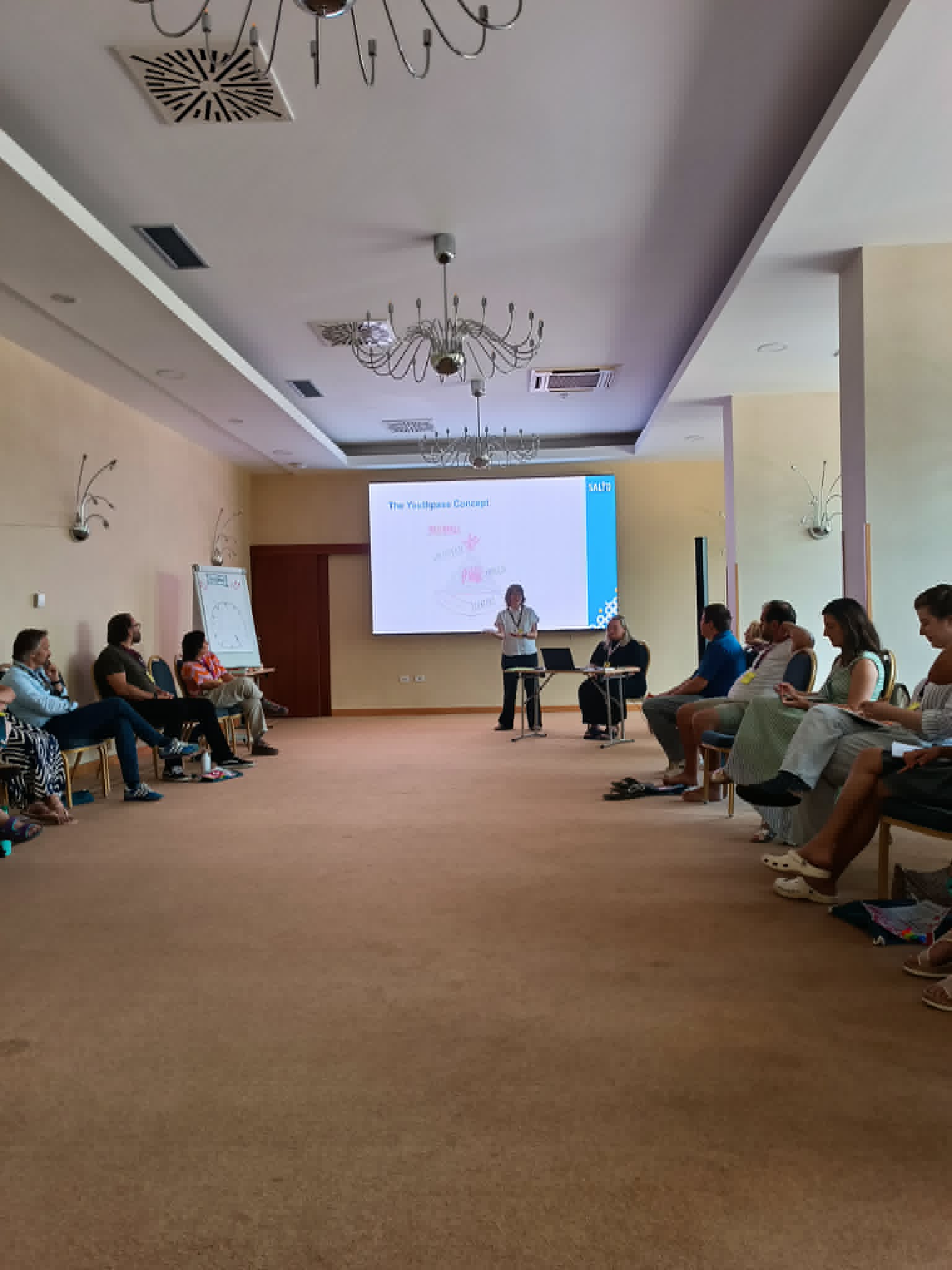
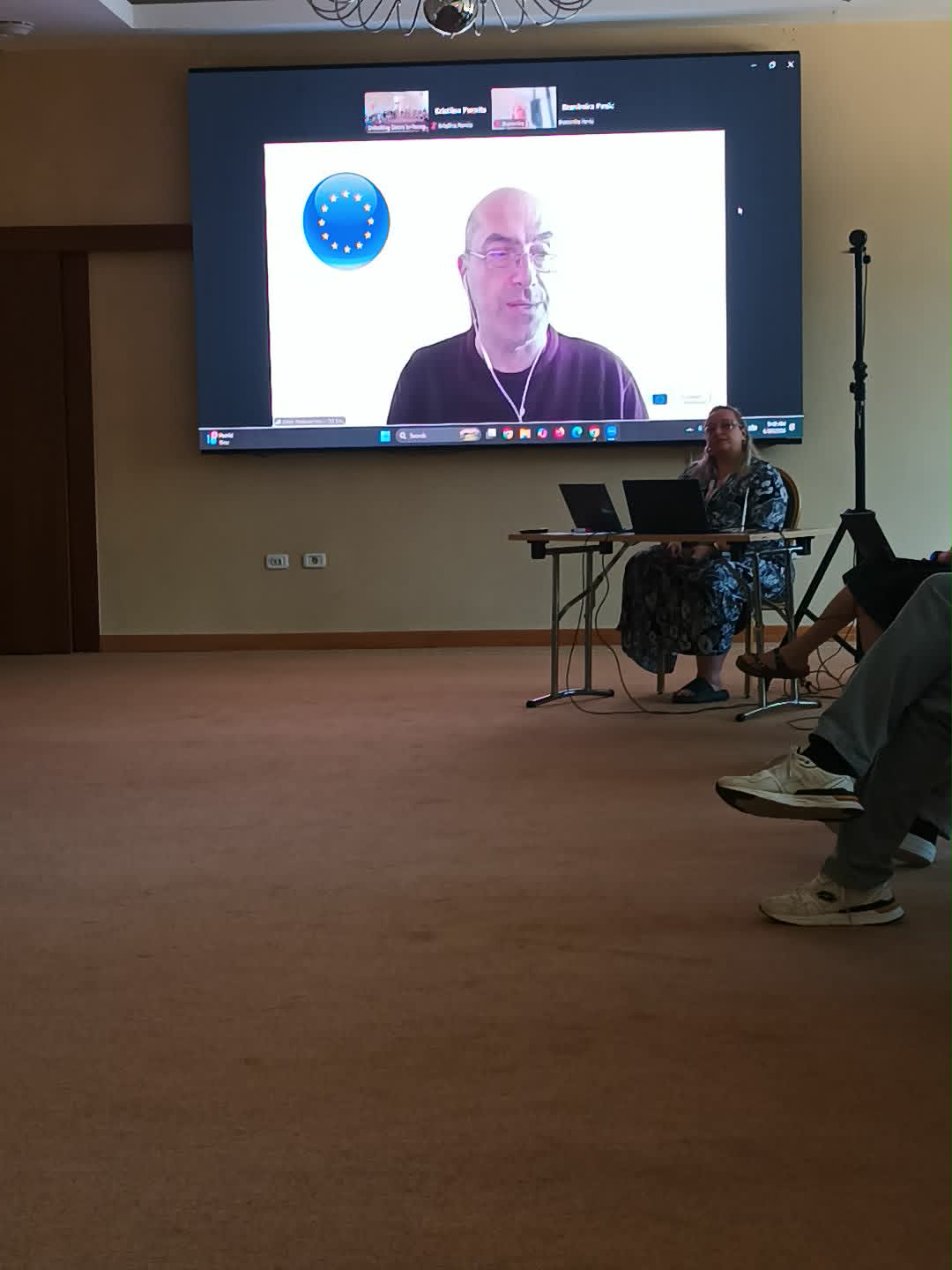
The second day began with an online meeting with Charalampos Papaioannou, Policy Officer at the European Commission (DG EAC), who presented an update on EU Youth Policy. Next, Eda Bakir from SALTO Training and Cooperation Resource Centre in Germany led a session on the recognition process in youth work as a long-term approach.
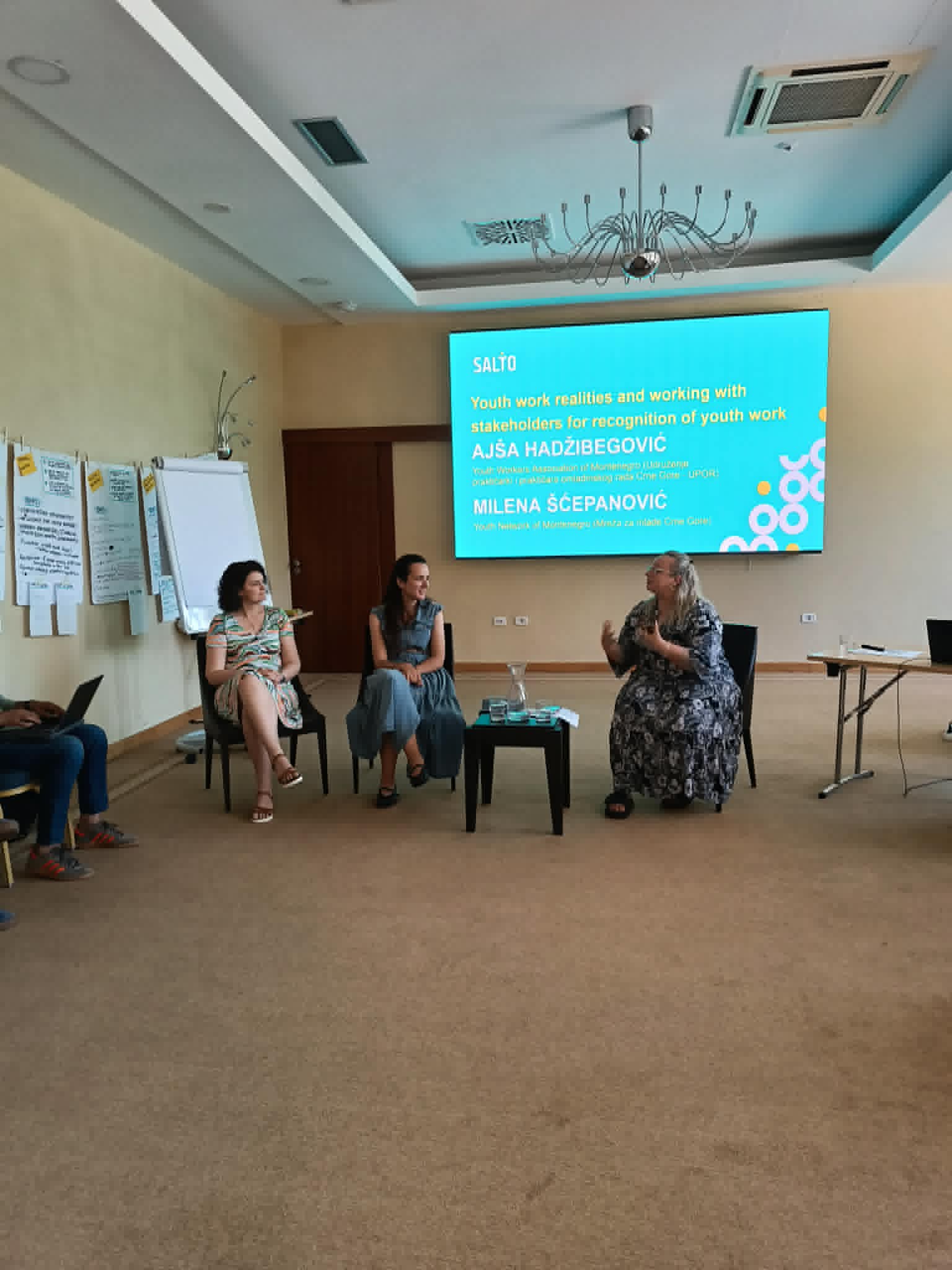
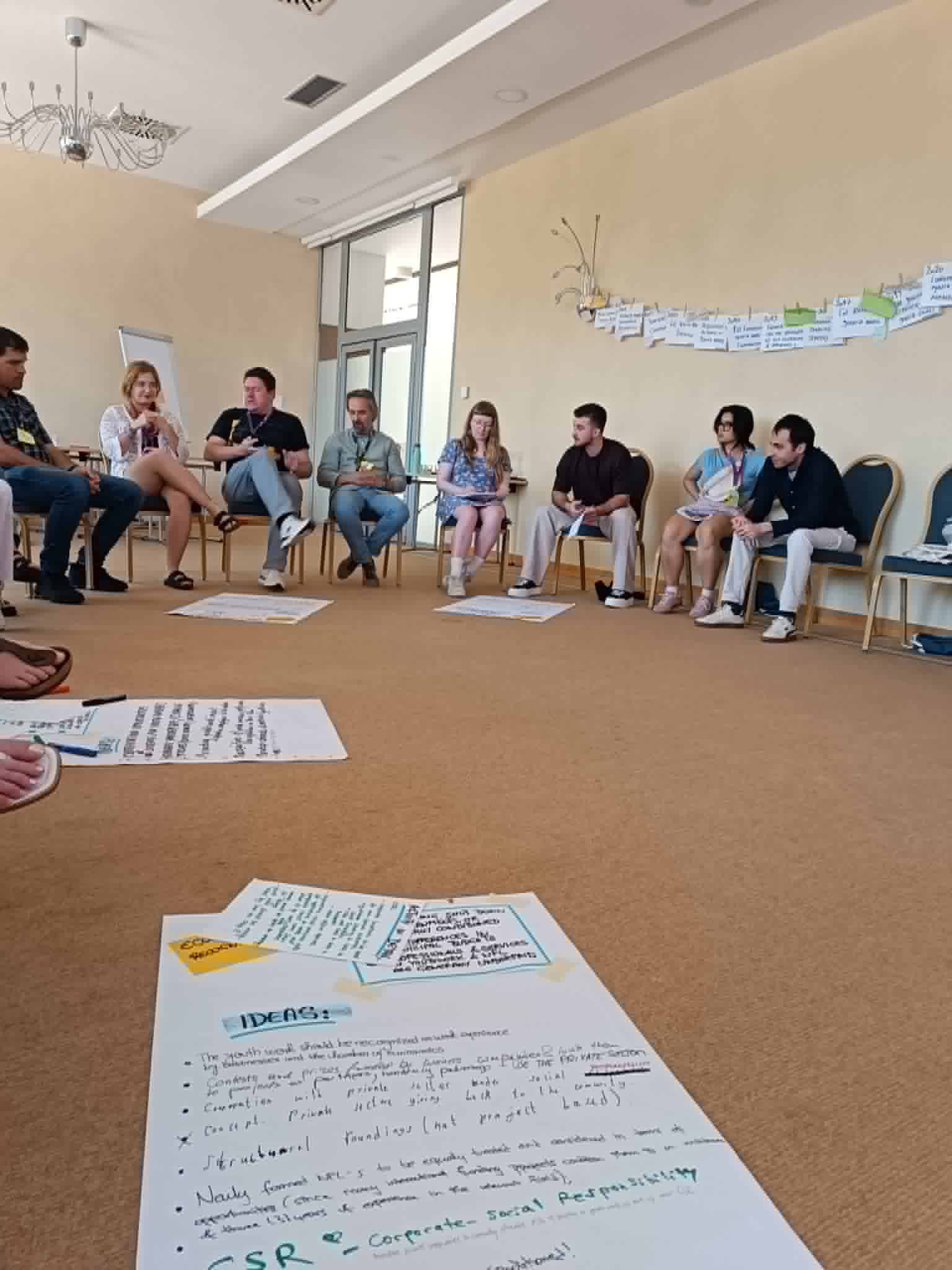
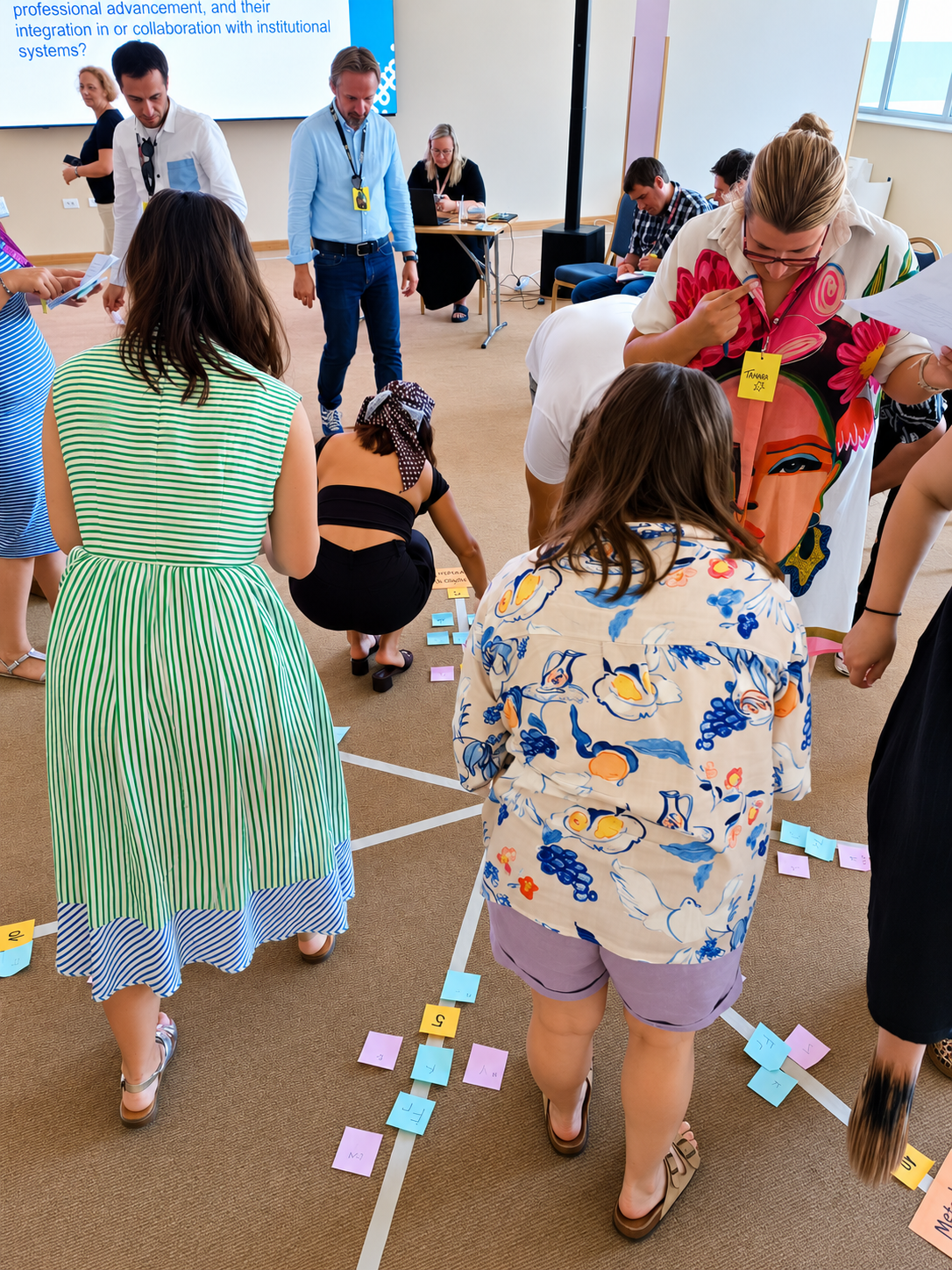
After the coffee break, we worked using the "world café" method, analysing barriers to the recognition of youth work. After lunch, another round of participant practice presentations took place – this time Tracy from Ireland presented the topic of critical thinking. We also had the opportunity to listen to two guests from Montenegro: Ajša Hadžibegović from Youth Workers Association of Montenegro and Milena Šćepanović from Youth Network of Montenegro, who spoke about the realities of youth work and cooperation with stakeholders in the context of recognition. The session took the form of a live interview moderated by trainer Branimira, and at the end we had the opportunity to ask questions.
After the coffee break, we worked using the "world café" method, analysing barriers to the recognition of youth work. After lunch, another round of participant practice presentations took place – this time Tracy from Ireland presented the topic of critical thinking. We also had the opportunity to listen to two guests from Montenegro: Ajša Hadžibegović from Youth Workers Association of Montenegro and Milena Šćepanović from Youth Network of Montenegro, who spoke about the realities of youth work and cooperation with stakeholders in the context of recognition. The session took the form of a live interview moderated by trainer Branimira, and at the end we had the opportunity to ask questions.
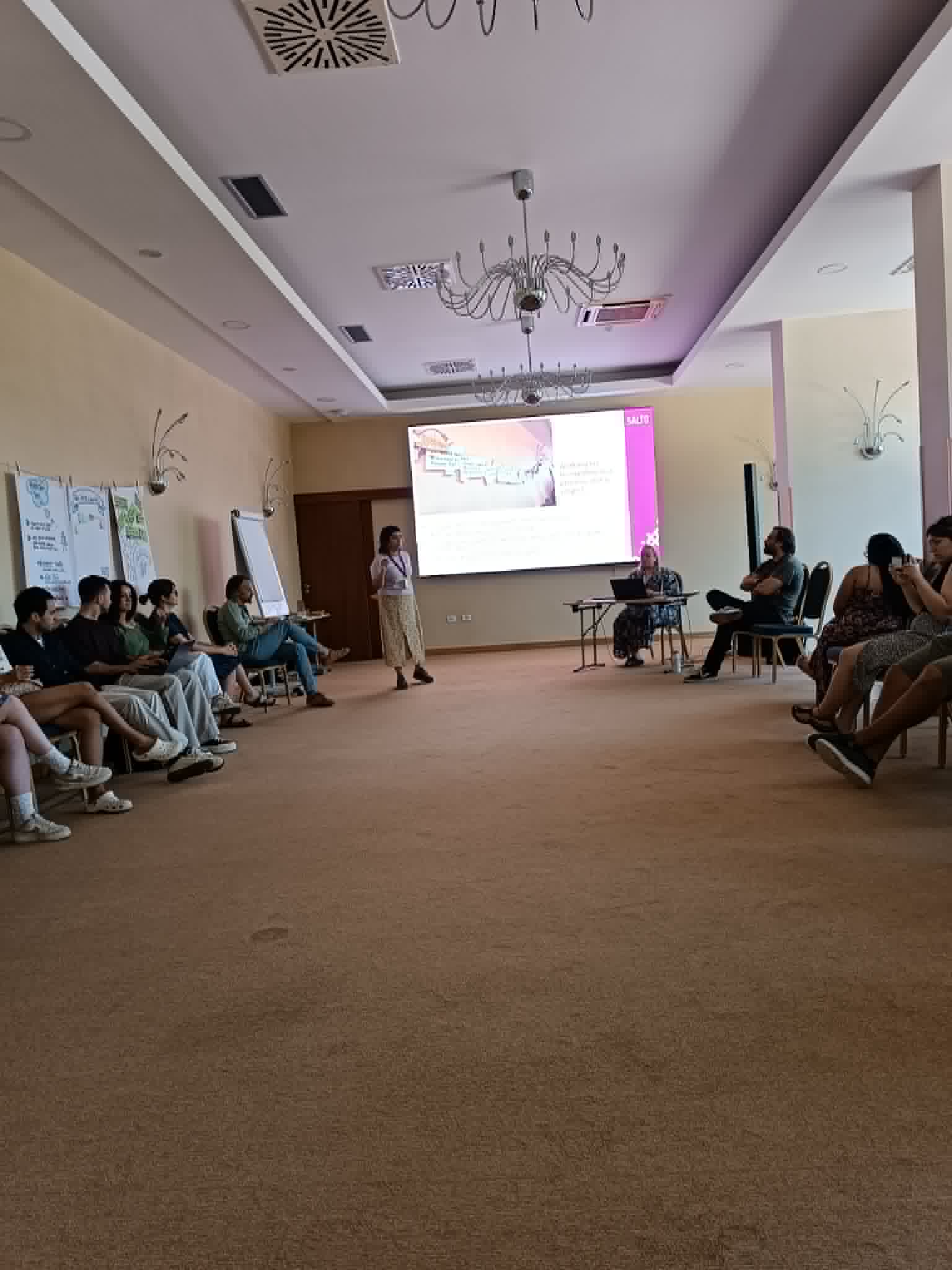
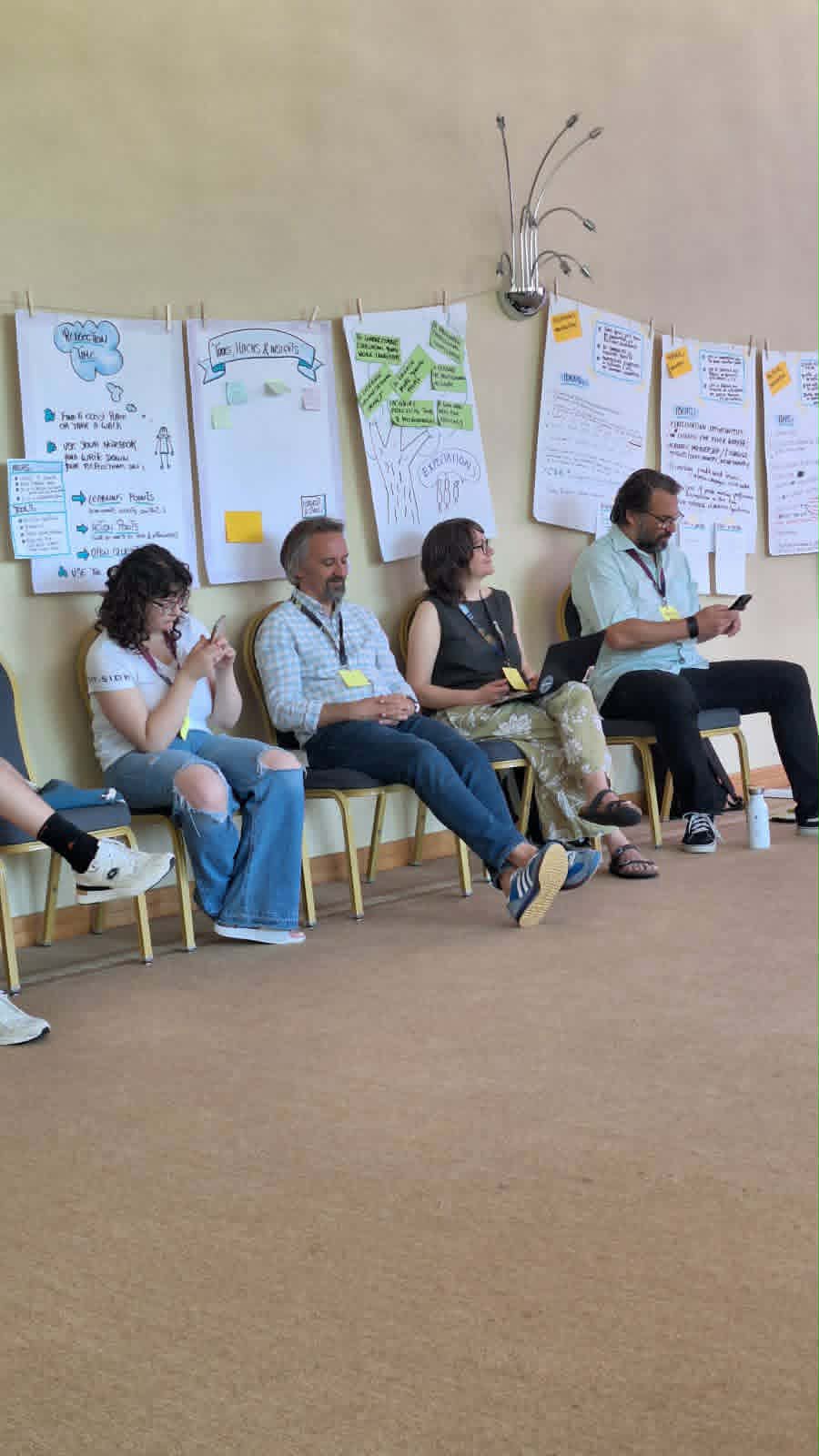
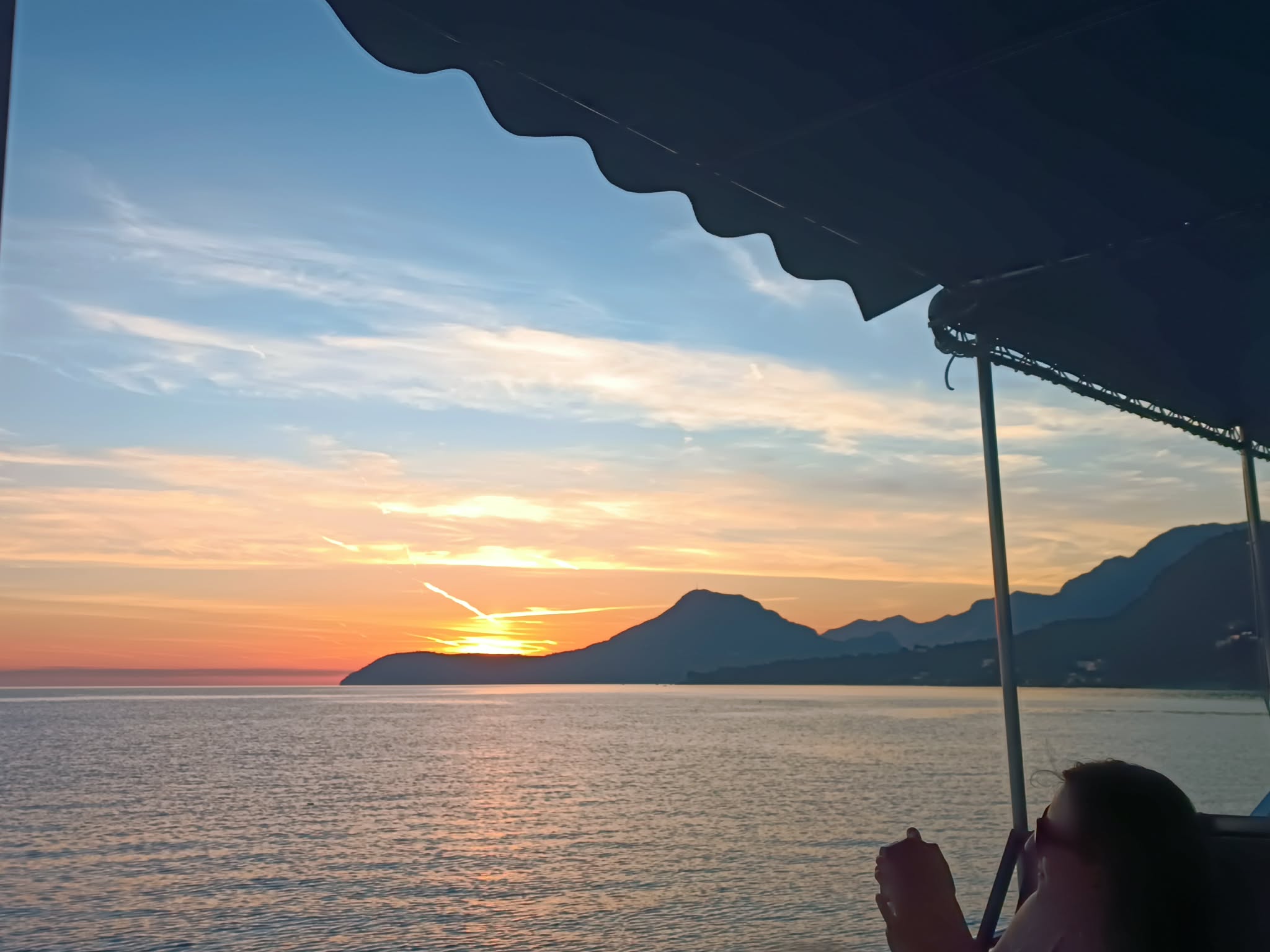
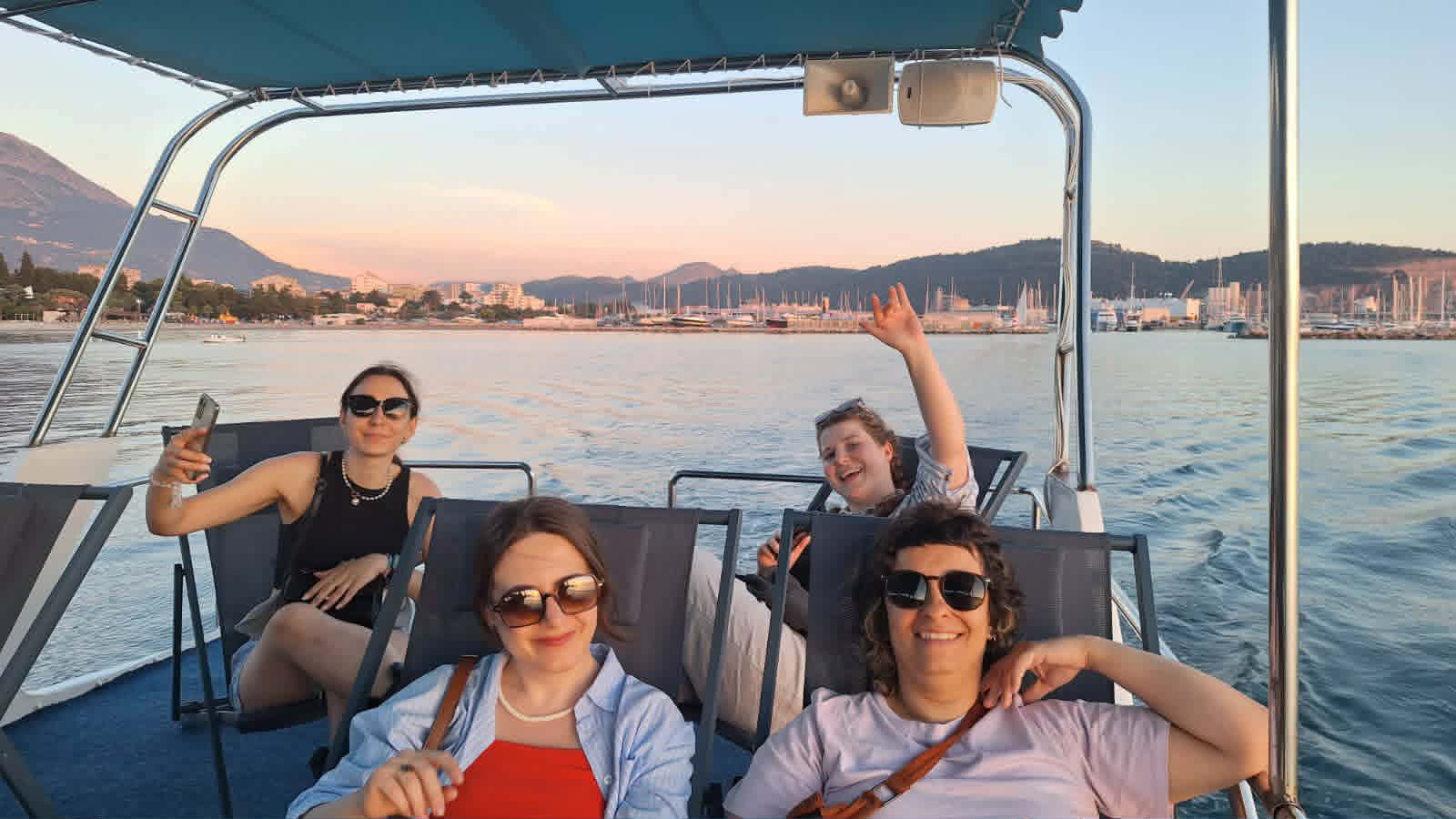
We finished the day with further work in recognition groups, responding to new questions. In the evening, we took part in a boat trip, during which we enjoyed beautiful views of the coastline and the sunset.
The last day began with presentations from participants – Maria from Estonia spoke about social media marketing, while Gvantsa from Sweden/Georgia shared the story of winning the Salto Awards 2022 in the Youth Participation category for conducting a crowdfunding campaign to establish a youth centre in her hometown of Marktkopi. We were then introduced to "Visible Value" – an online resource library dedicated to the recognition of youth work. A key element of the day was developing individual recognition action plans based on previous teamwork and a template provided by the trainers.
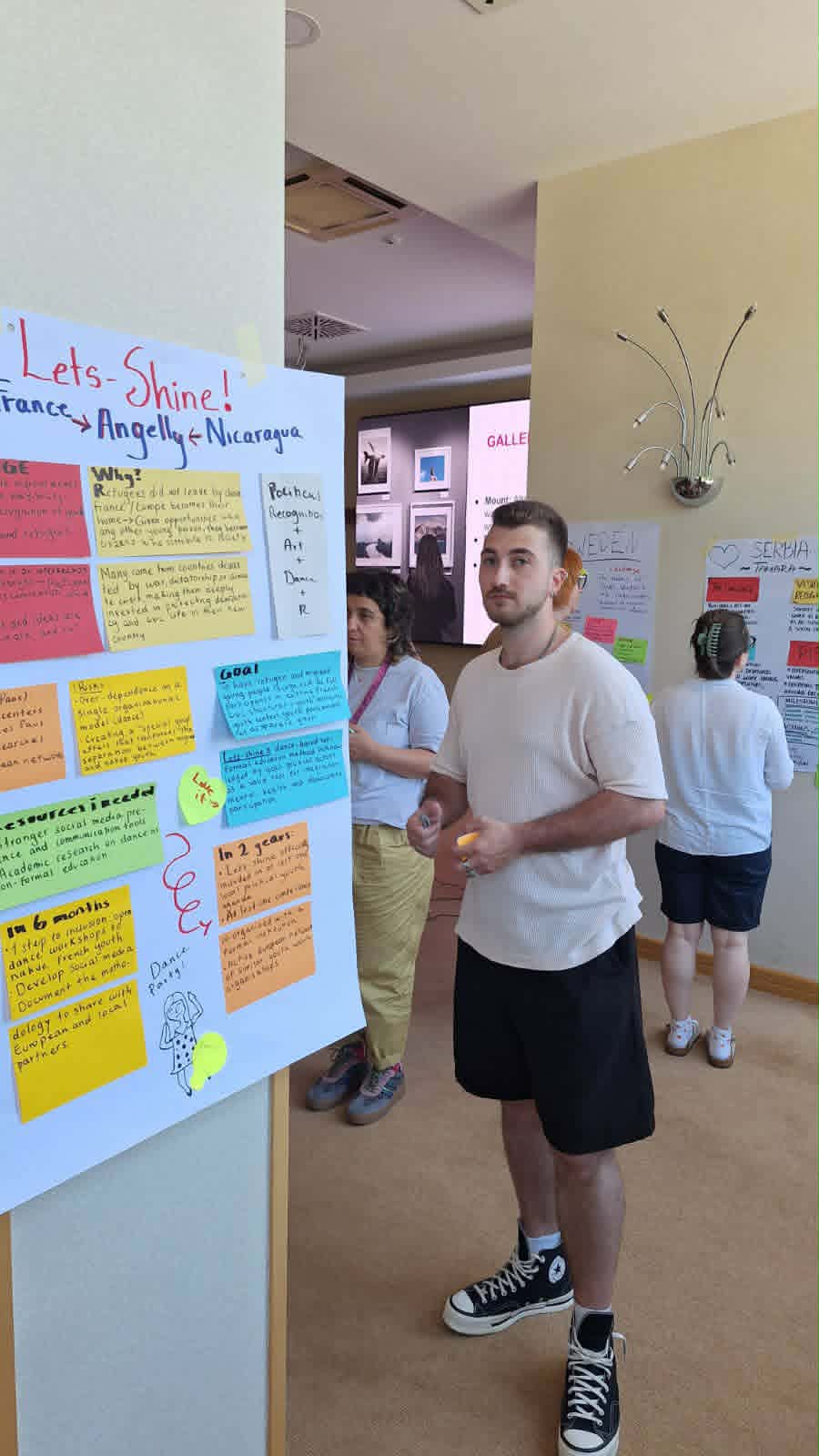
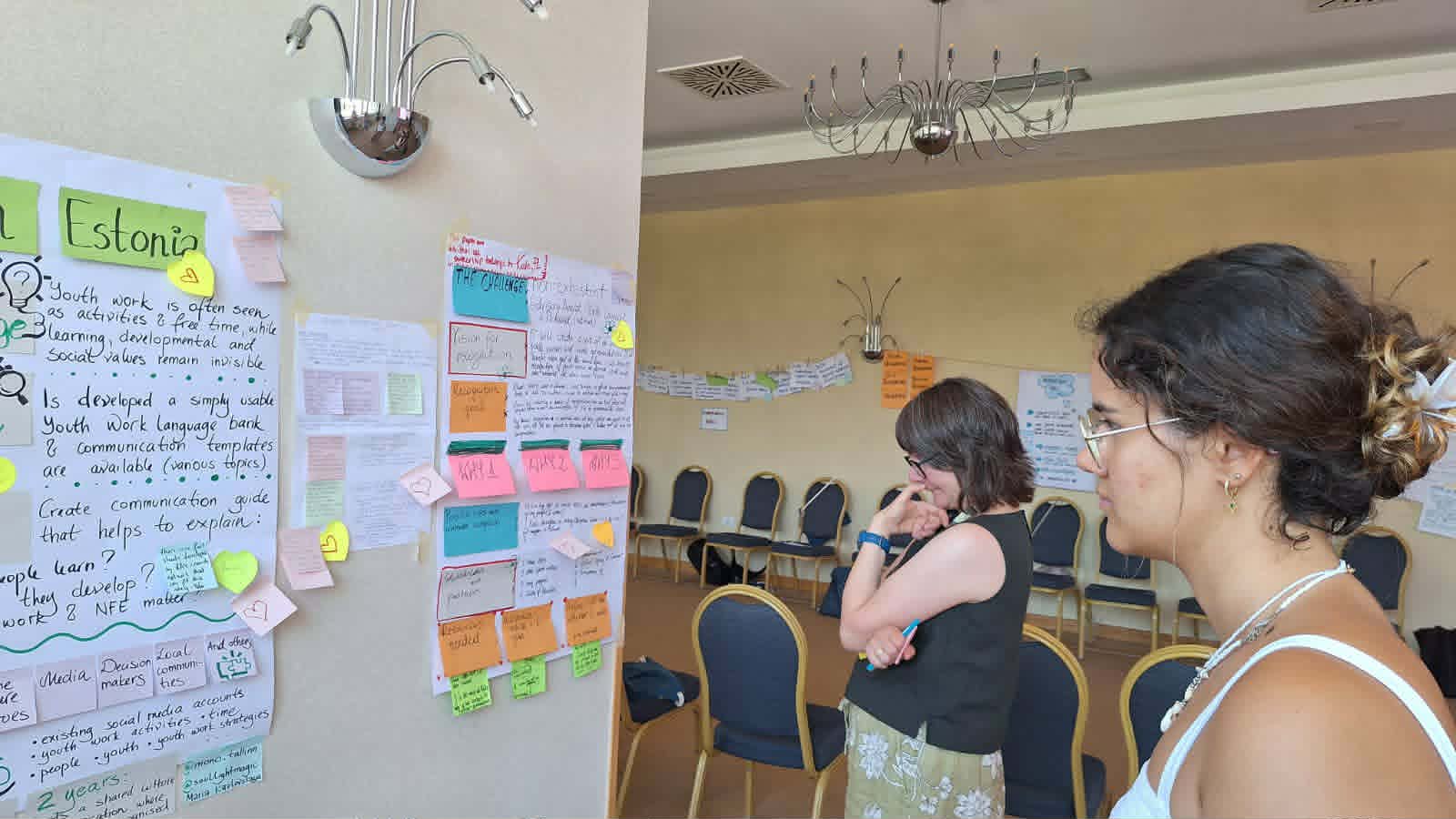
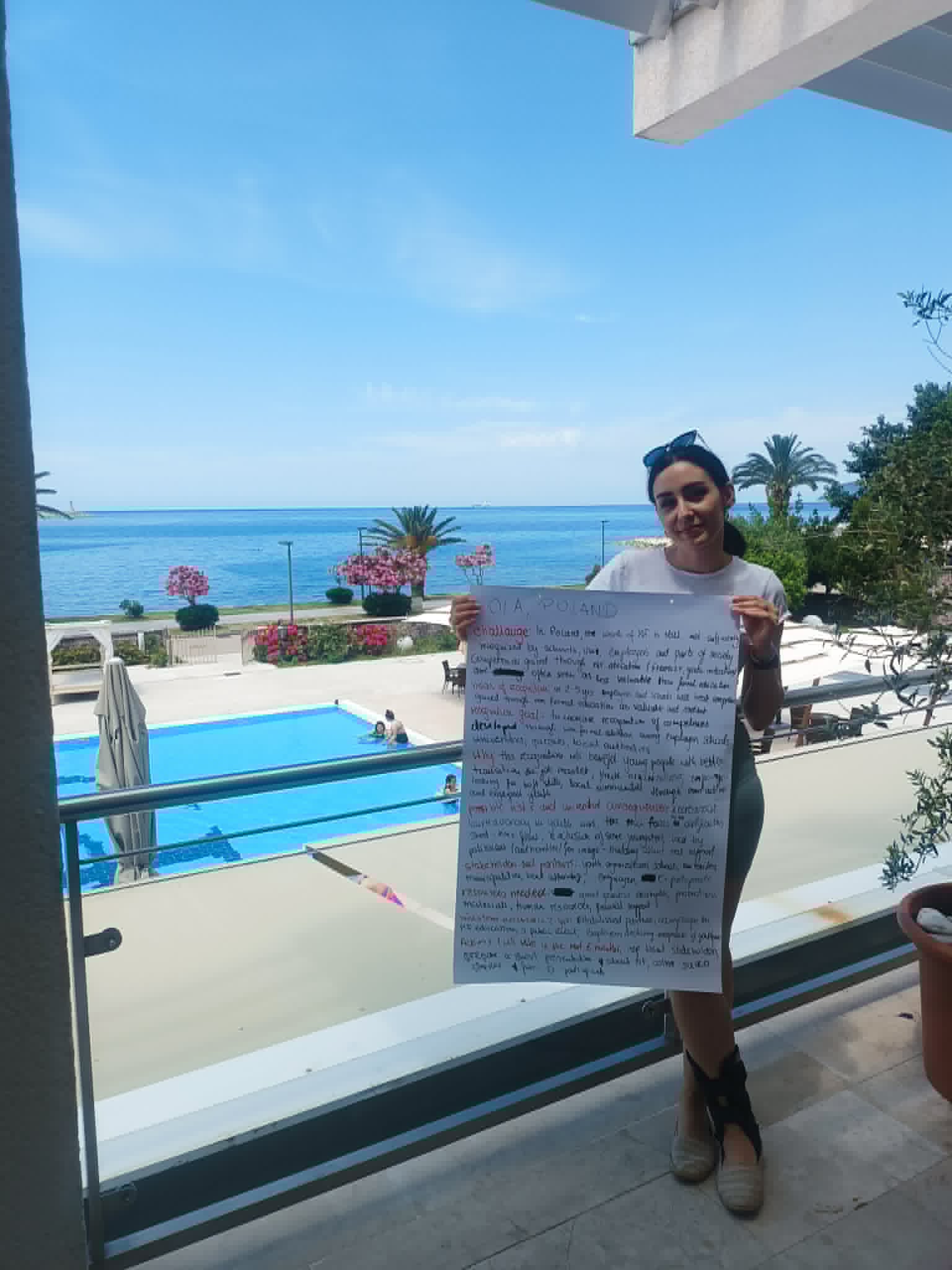
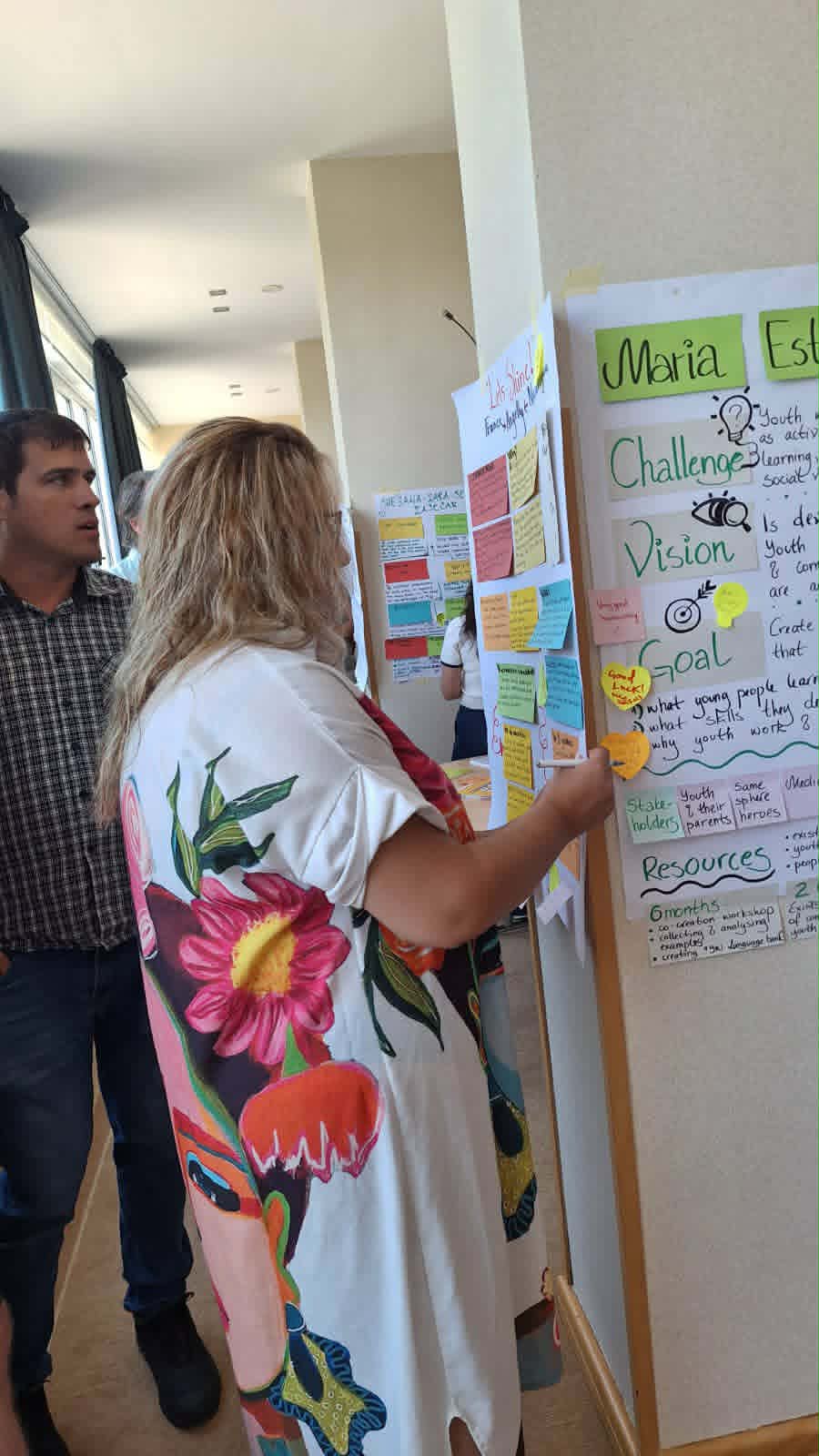
My plan focused on increasing the recognition of competencies gained by young people through Erasmus+ projects among schools, universities, and employers. After lunch, a presentation session in the form of a gallery took place – we displayed our work on the walls and individually explored each other’s projects, leaving comments. At the end of the official programme, each participant wrote down their personal commitment. Mine was: "I will encourage more young people to participate in Erasmus+ projects". The seminar concluded with a joint summary, reflection on the most important experiences, and evaluation.
My plan focused on increasing the recognition of competencies gained by young people through Erasmus+ projects among schools, universities, and employers. After lunch, a presentation session in the form of a gallery took place – we displayed our work on the walls and individually explored each other’s projects, leaving comments. At the end of the official programme, each participant wrote down their personal commitment. Mine was: "I will encourage more young people to participate in Erasmus+ projects". The seminar concluded with a joint summary, reflection on the most important experiences, and evaluation.
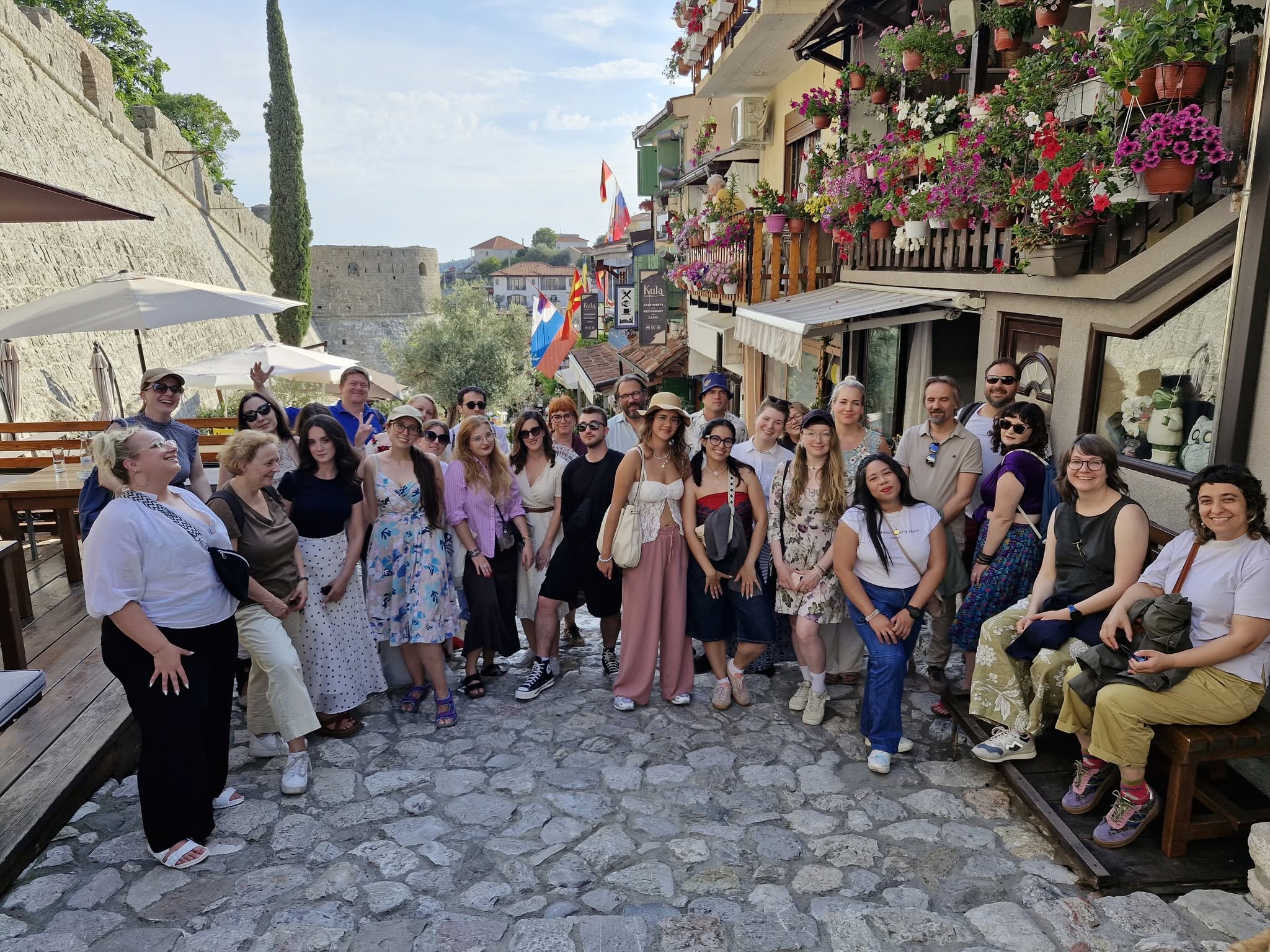
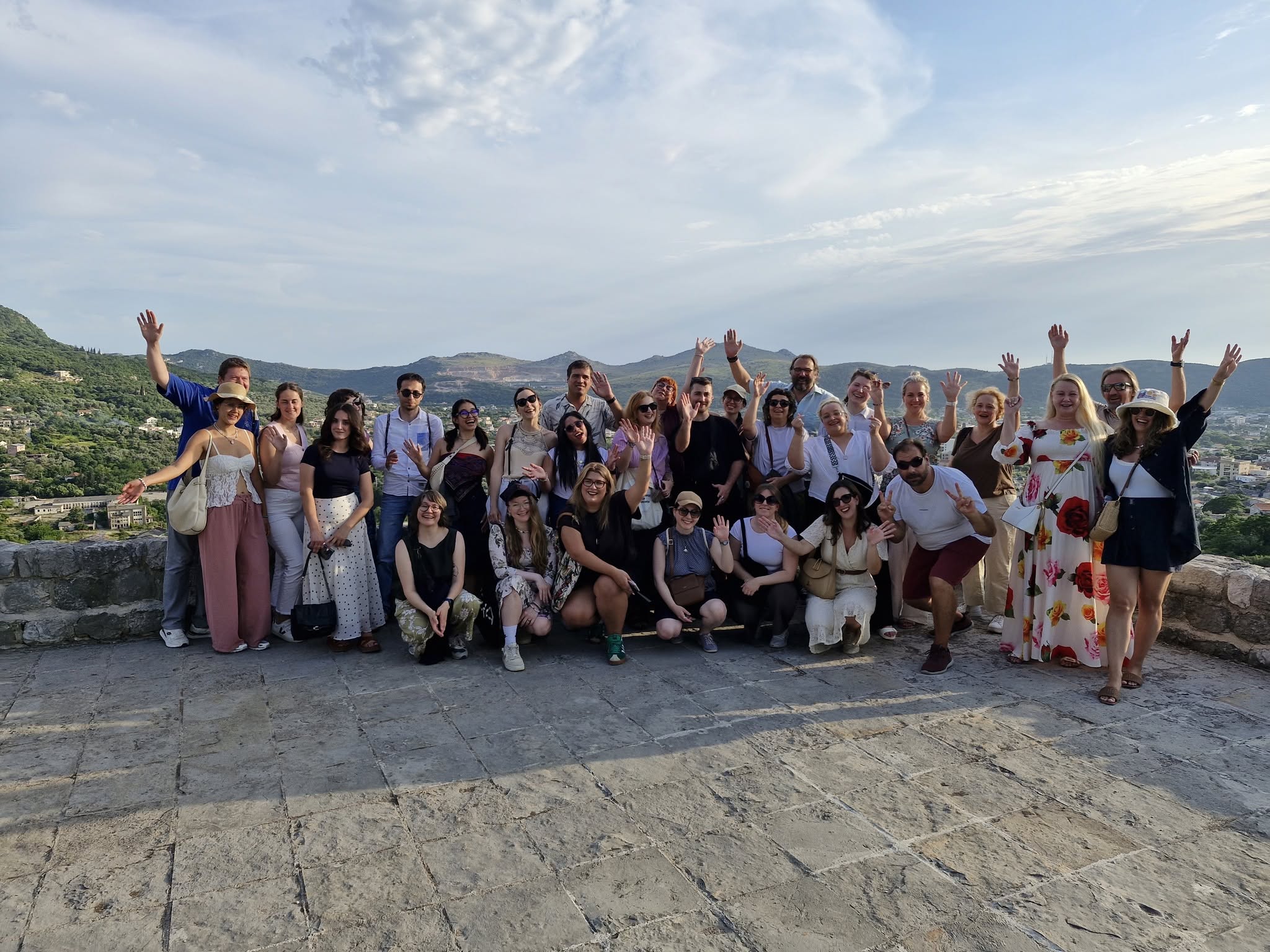
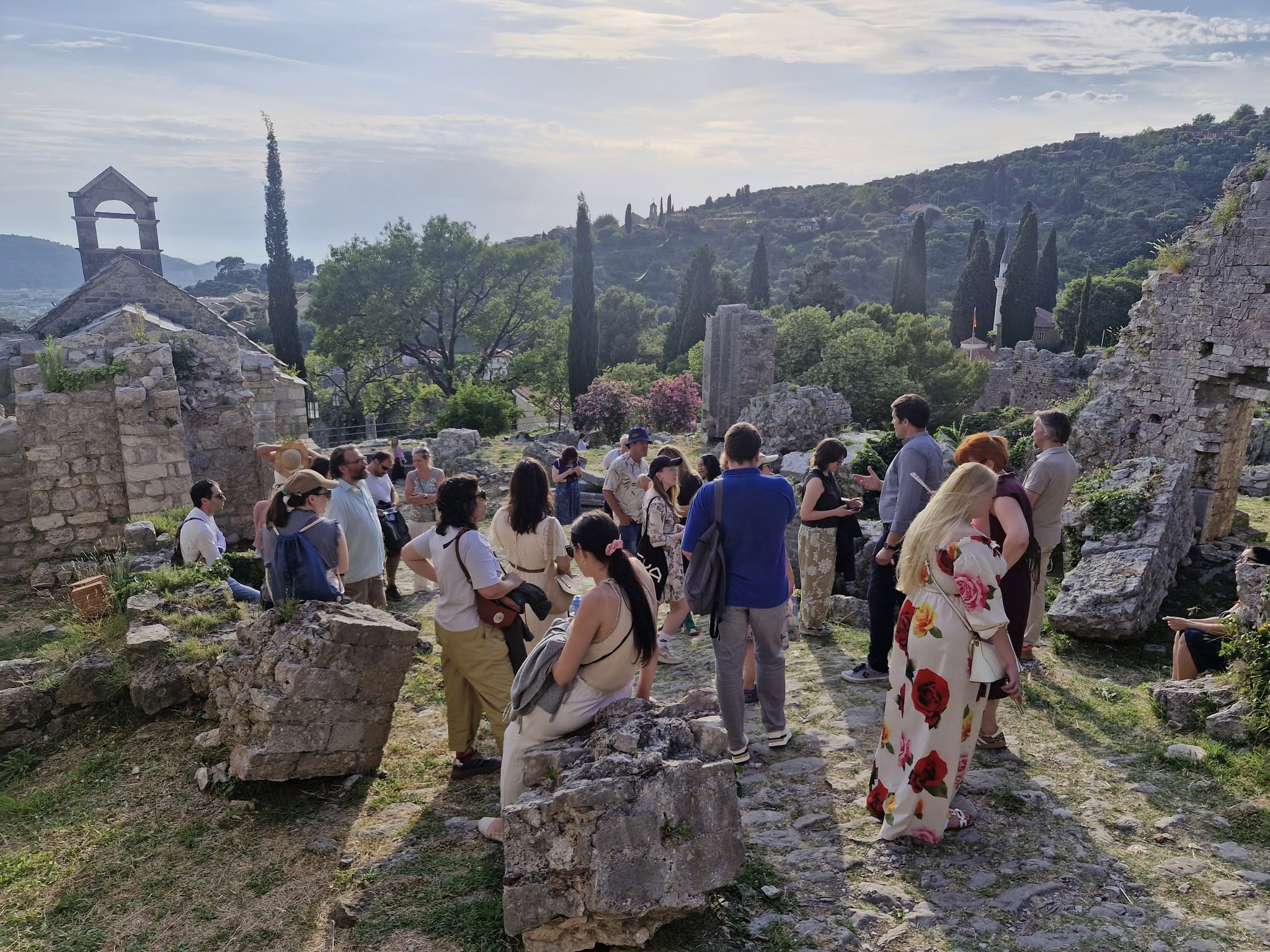
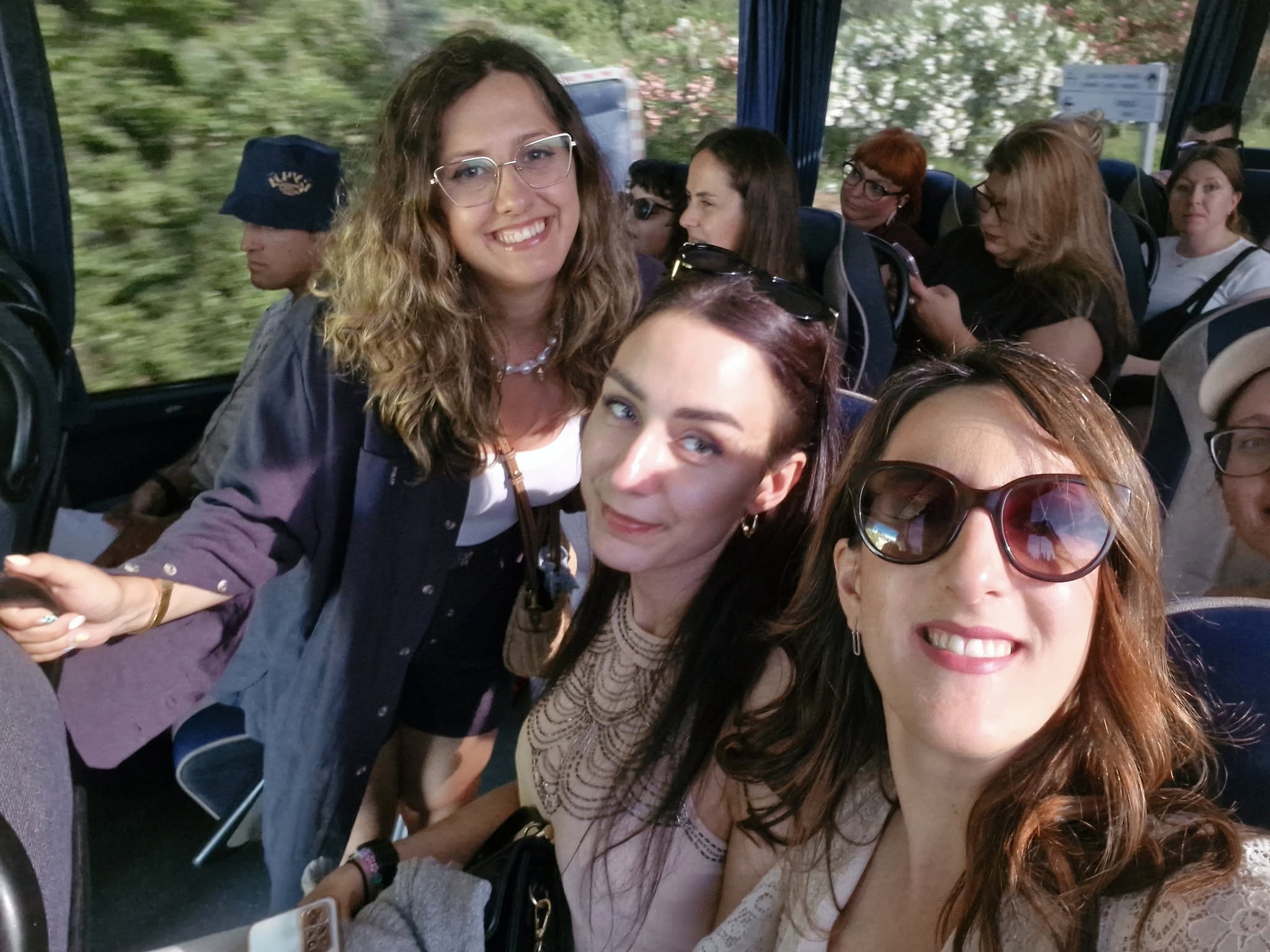
The final item on the programme was a visit to Old Bar, where we had the opportunity to explore the ruins of the historic fortress and old town, followed by a shared dinner in a restaurant. We also had some free time, which we could use to buy souvenirs, look out for cats, and wander through the charming narrow streets. Taking part in the seminar was an extremely valuable experience that allowed me not only to expand my knowledge and competences, but also to exchange experiences with participants from different countries and gain inspiration for further activities in the field of youth work.