Angielski (ENG)
  Polski (PL)
Youth work
HEureka Generator: Could you please shortly introduce yourself?
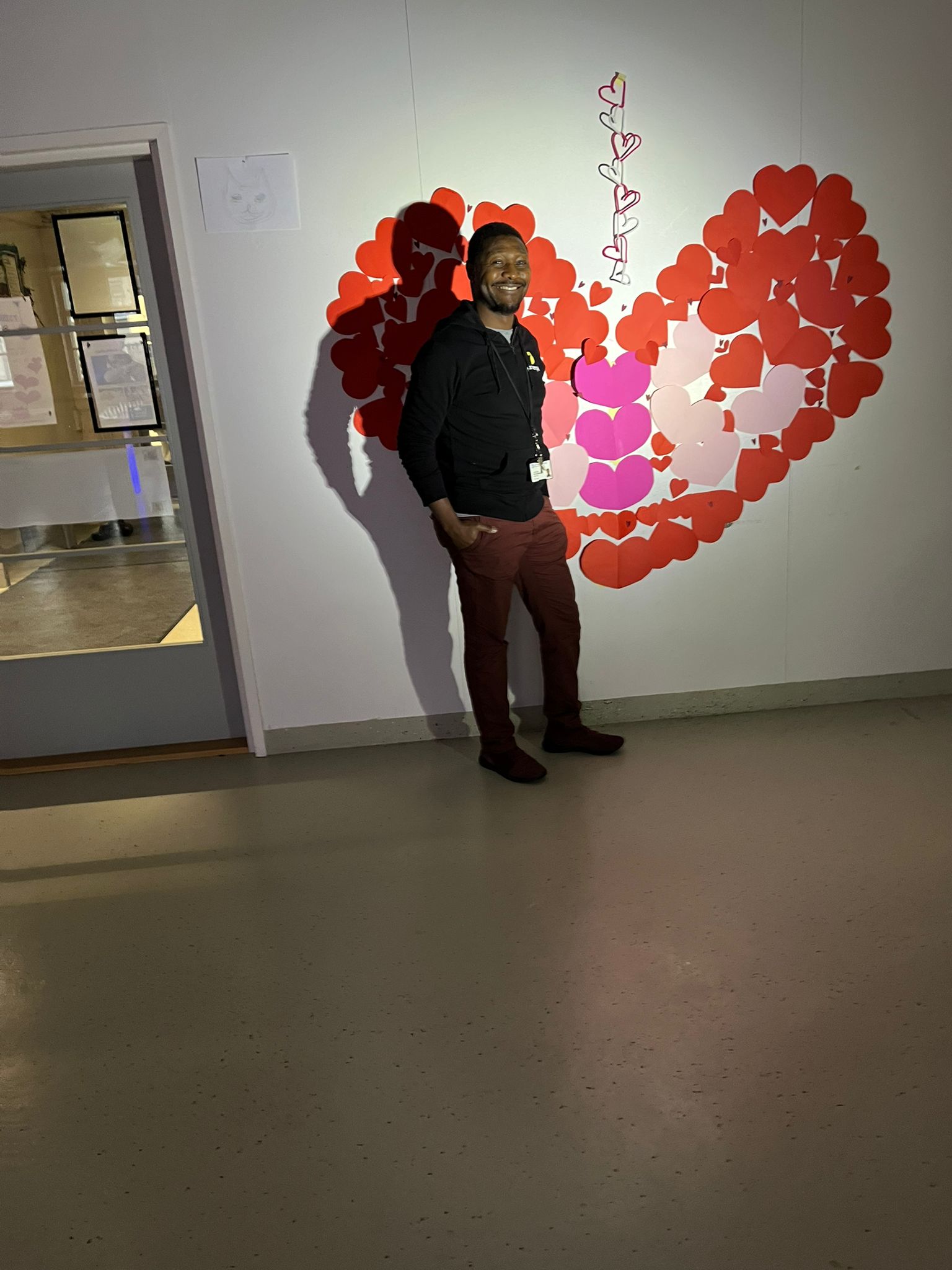
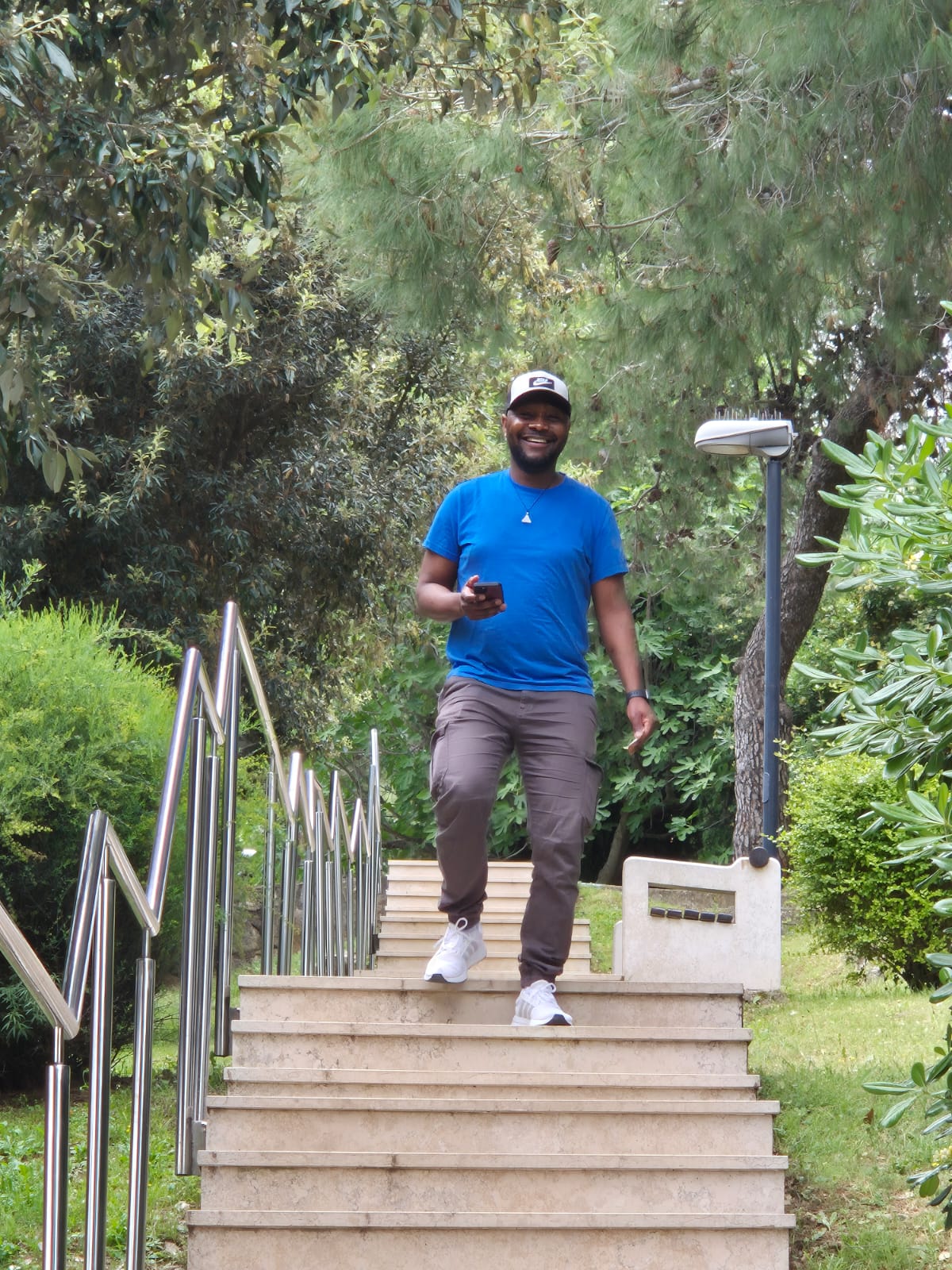
Titus Moono: Alright, thank you. My name is Titus Moono. I am a youth worker and Erasmus+ coordinator for the City of Järvenpää’s Youth Services. I am 42 years old, I live here in Järvenpää, and I have a family — a wife and one child.
Titus Moono: Alright, thank you. My name is Titus Moono. I am a youth worker and Erasmus+ coordinator for the City of Järvenpää’s Youth Services. I am 42 years old, I live here in Järvenpää, and I have a family — a wife and one child.
HG: What inspired you to become a youth worker and what were your first steps in this role?
TM: Actually, there were many different factors. But the main one goes back to my home country, Zambia. I worked at an orphanage ( Fountain Gate) — a place where vulnerable children in the community were being supported educationally and general welfare. My role was different, i worked as an agricultural specialist responsible for producing vegetables, raising chickens and grew some cash crops for the institution. But through working closely with the children, I developed a strong desire to work with people, especially young people. That environment gave me the inspiration and will to pursue youth work. My first step was to get an education, since I originally came from an agricultural background. Through family connections, i learned about Finland and its free education system. I applied, went through the process, and was accepted to study social services at Diakonia University of Applied Sciences. I graduated after three and a half years. In Finnish the degree is called sosionomi, in English it is a degree in social services. Afterwards, I continued my studies a little further.
HG: What does a typical day at work look like for you?
TM: A typical day is a combination of two parts: office work and open youth house work. In the office, as an international youth worker, I coordinate all Erasmus+ projects and activities for our youth services. So I check my schedule, meetings, and ongoing projects — organizing logistics and everything related to them. In the afternoons, when the youth centre opens, I move to the open youth house. Depending on the groups that come, I interact with young people, talk, guide, share experiences, and simply spend time with them. Sometimes I focus more on coordinating and organizing international projects, so my days can vary.
TM: Actually, there were many different factors. But the main one goes back to my home country, Zambia. I worked at an orphanage ( Fountain Gate) — a place where vulnerable children in the community were being supported educationally and general welfare. My role was different, i worked as an agricultural specialist responsible for producing vegetables, raising chickens and grew some cash crops for the institution. But through working closely with the children, I developed a strong desire to work with people, especially young people. That environment gave me the inspiration and will to pursue youth work. My first step was to get an education, since I originally came from an agricultural background. Through family connections, i learned about Finland and its free education system. I applied, went through the process, and was accepted to study social services at Diakonia University of Applied Sciences. I graduated after three and a half years. In Finnish the degree is called sosionomi, in English it is a degree in social services. Afterwards, I continued my studies a little further.
HG: What does a typical day at work look like for you?
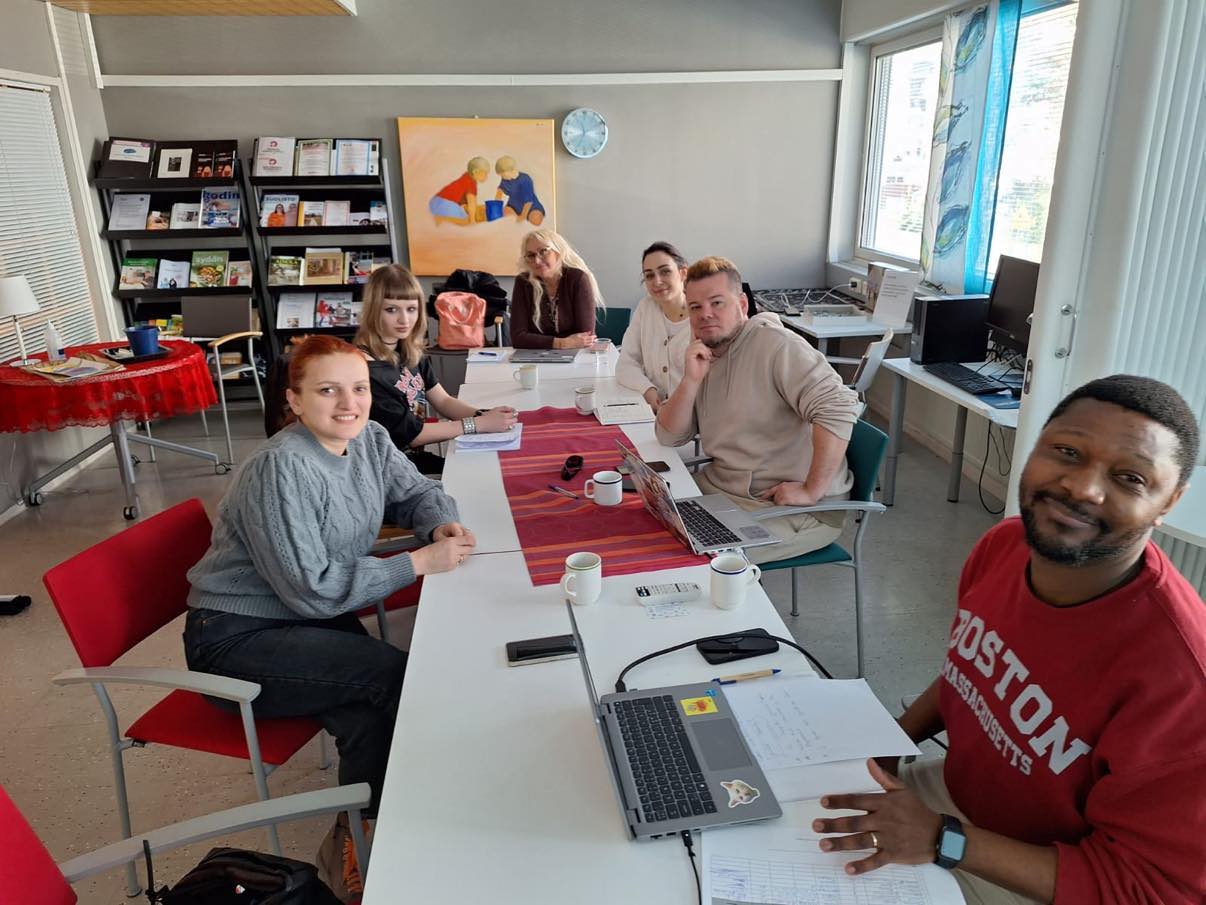
TM: A typical day is a combination of two parts: office work and open youth house work. In the office, as an international youth worker, I coordinate all Erasmus+ projects and activities for our youth services. So I check my schedule, meetings, and ongoing projects — organizing logistics and everything related to them. In the afternoons, when the youth centre opens, I move to the open youth house. Depending on the groups that come, I interact with young people, talk, guide, share experiences, and simply spend time with them. Sometimes I focus more on coordinating and organizing international projects, so my days can vary.
HG: Which types of activities — for example, workshops, sports or arts — do you consider most effective when working with young people, and why?
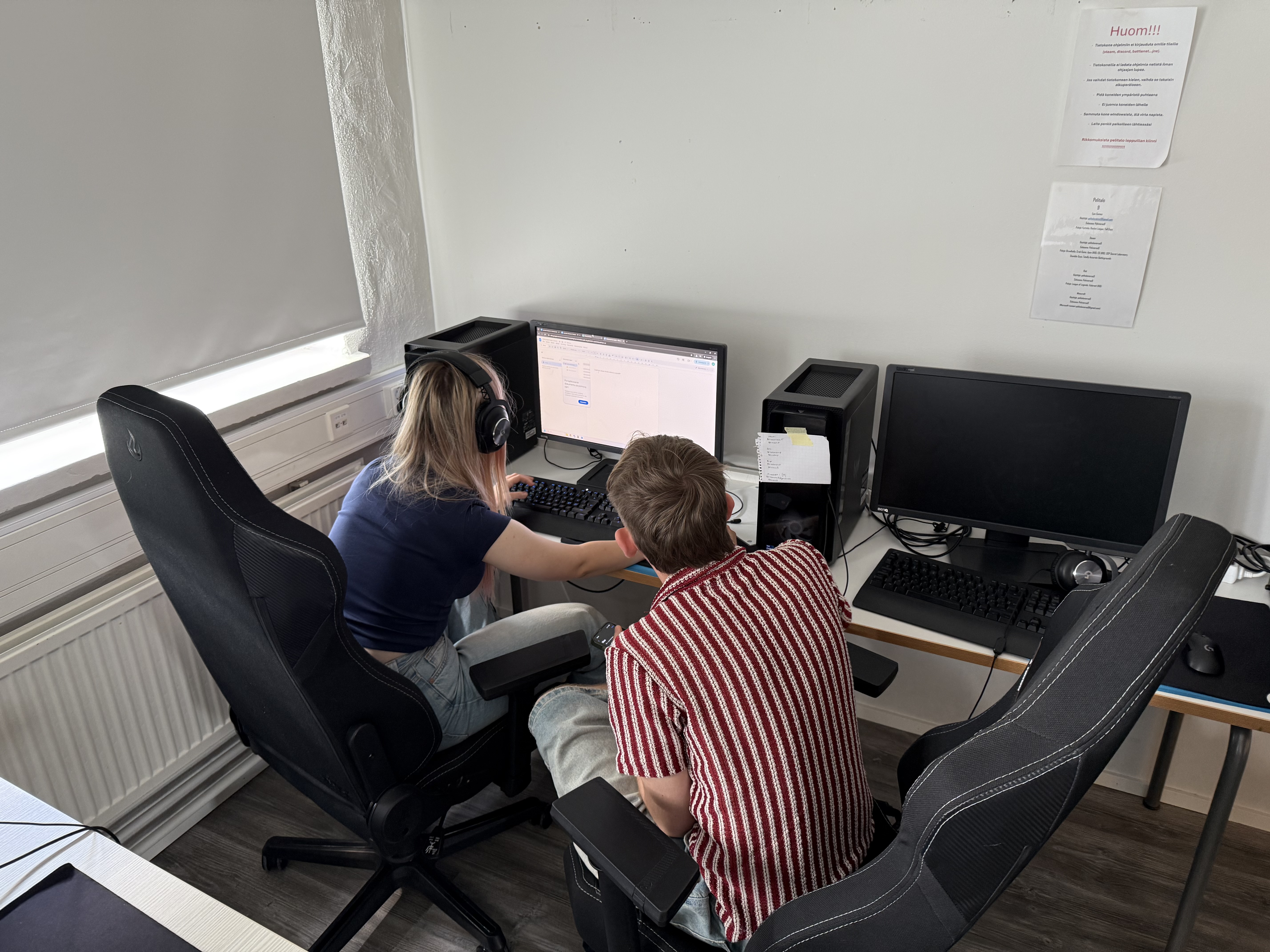
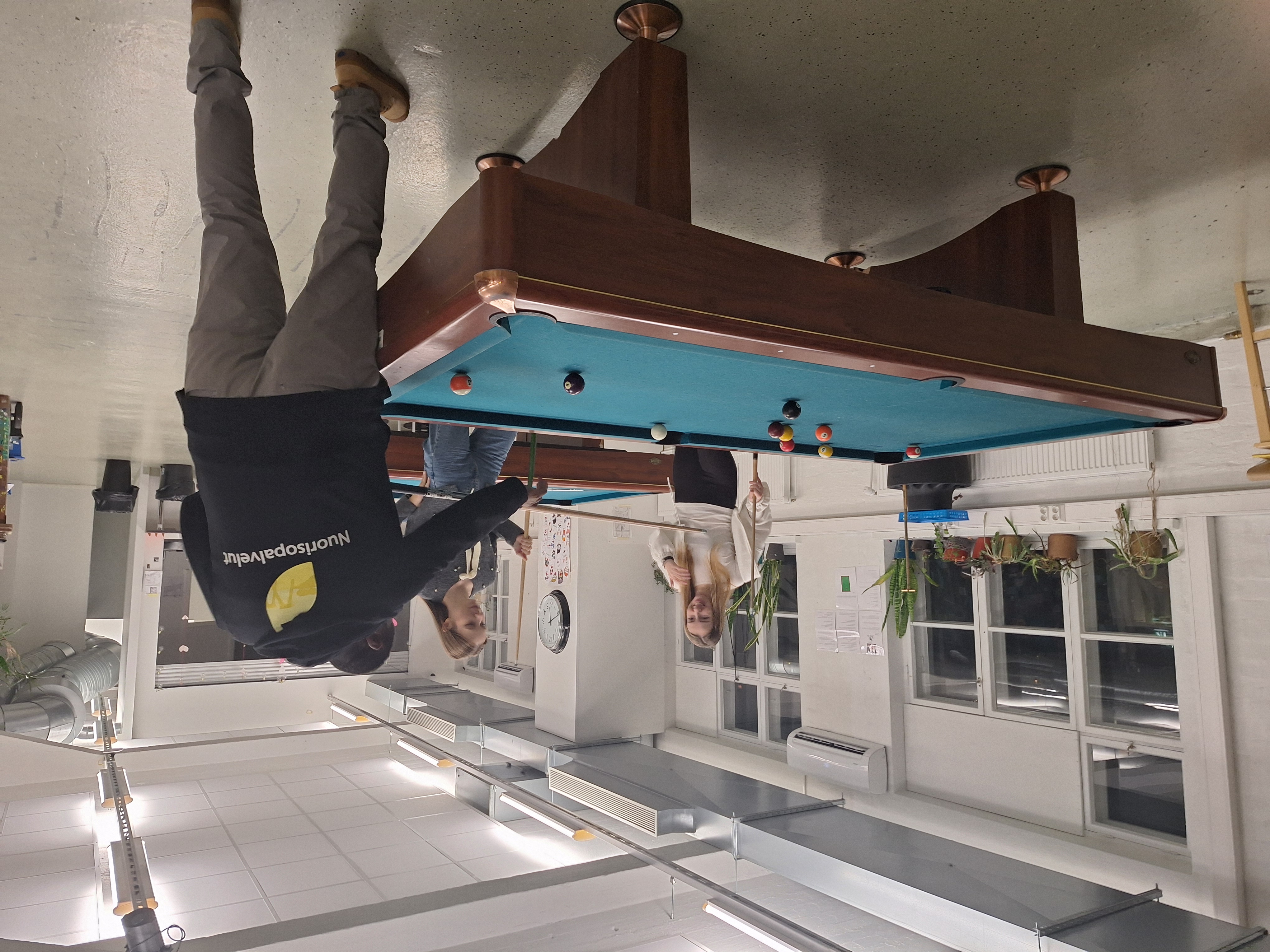
TM: Young people generally enjoy activities that are participatory and fun. But individuals differ: some enjoy table tennis, others pool, others video games etc. So I wouldn’t say there is one activity that works for everyone. It helps a lot to know at least the basics of these activities. For example, I am not very good at video games, but I still try to learn a bit — FIFA, Fortnite, some board games. The important thing is not just the activity itself, but the learning behind it. While having fun, young people also practice communication, cooperation, and teamwork. My role is to help them see that it’s more than just a game.
HG: How do you handle difficult situations, such as conflicts among young people or mental health crises?
TM: Crises are inevitable. In Africa, there is a saying: where there are two trees, friction is inevitable. Conflicts will happen, but handling them depends on the context. At the youth centre, we always have at least four youth workers present each time the youth center is open. If a conflict arises, we assess the situation. If it requires further attention, we contact relevant city services, such as social workers, and we always stay in touch with families. Privacy is taken very seriously and we follow legal frameworks in handling information.
For more complex cases, we have a team of specialised youth workers. In international youth exchanges, conflicts are addressed together with group leaders. We listen to all sides without judging, aiming to bring peace, understanding, and opportunities to learn how to live and work together. If necessary, we escalate the case to higher authorities.
HG: How do you build trust and relationships with youth who may be distrustful or withdrawn?
TM: Trust is very important but takes time to build. I try to create safe spaces for sharing and listening. From my experience, I build trust by being open-minded, non-judgmental, and objective. Listening is crucial — sometimes young people just want someone to hear them. Spending time together, playing games, talking, and being available gradually builds trust. Challenges often test relationships, but overcoming them together strengthens trust even more.
TM: Young people generally enjoy activities that are participatory and fun. But individuals differ: some enjoy table tennis, others pool, others video games etc. So I wouldn’t say there is one activity that works for everyone. It helps a lot to know at least the basics of these activities. For example, I am not very good at video games, but I still try to learn a bit — FIFA, Fortnite, some board games. The important thing is not just the activity itself, but the learning behind it. While having fun, young people also practice communication, cooperation, and teamwork. My role is to help them see that it’s more than just a game.
HG: How do you handle difficult situations, such as conflicts among young people or mental health crises?
TM: Crises are inevitable. In Africa, there is a saying: where there are two trees, friction is inevitable. Conflicts will happen, but handling them depends on the context. At the youth centre, we always have at least four youth workers present each time the youth center is open. If a conflict arises, we assess the situation. If it requires further attention, we contact relevant city services, such as social workers, and we always stay in touch with families. Privacy is taken very seriously and we follow legal frameworks in handling information.
For more complex cases, we have a team of specialised youth workers. In international youth exchanges, conflicts are addressed together with group leaders. We listen to all sides without judging, aiming to bring peace, understanding, and opportunities to learn how to live and work together. If necessary, we escalate the case to higher authorities.
HG: How do you build trust and relationships with youth who may be distrustful or withdrawn?
TM: Trust is very important but takes time to build. I try to create safe spaces for sharing and listening. From my experience, I build trust by being open-minded, non-judgmental, and objective. Listening is crucial — sometimes young people just want someone to hear them. Spending time together, playing games, talking, and being available gradually builds trust. Challenges often test relationships, but overcoming them together strengthens trust even more.
HG: In what ways do you collaborate with families, schools, and other institutions to support young people?
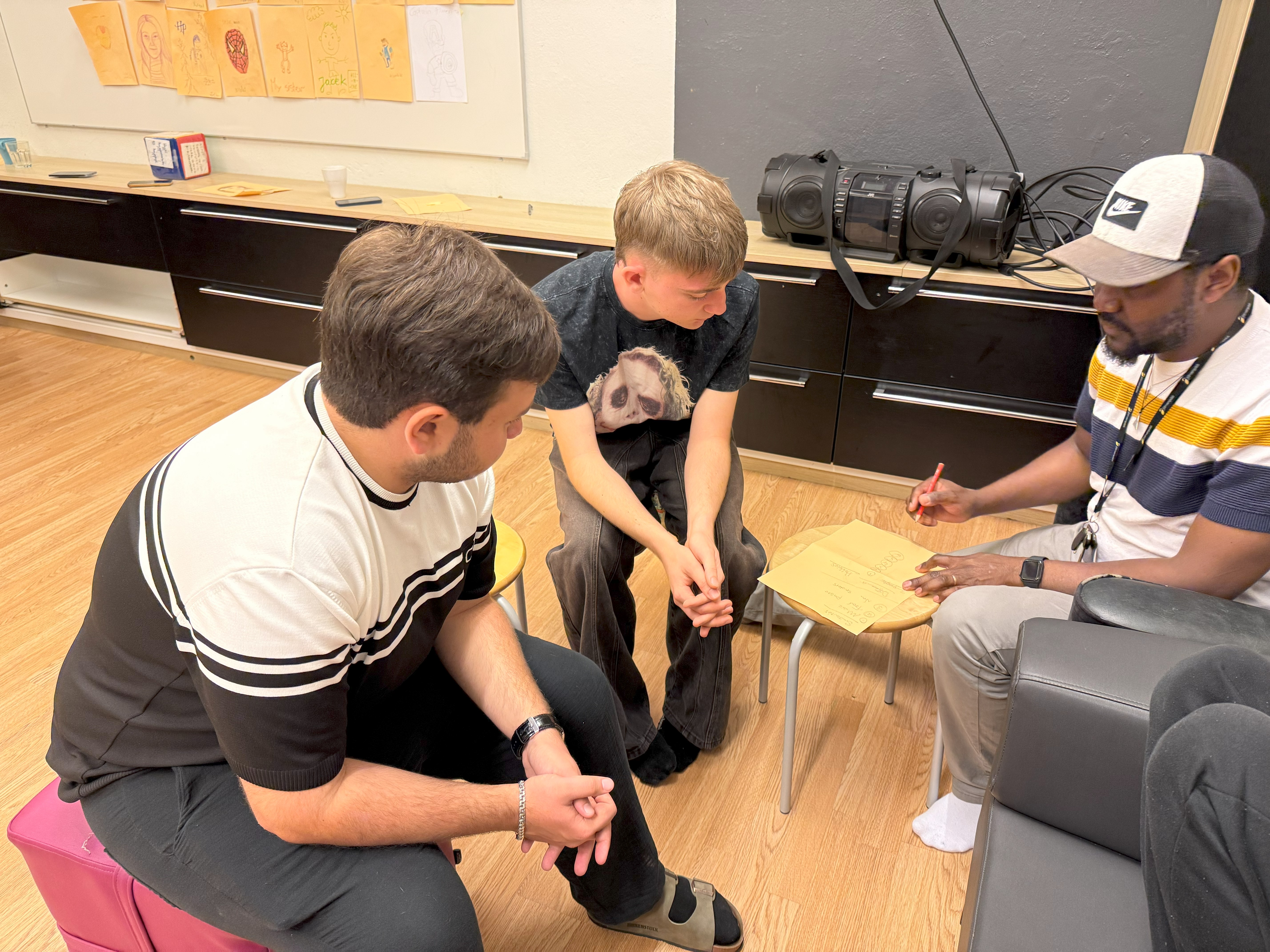
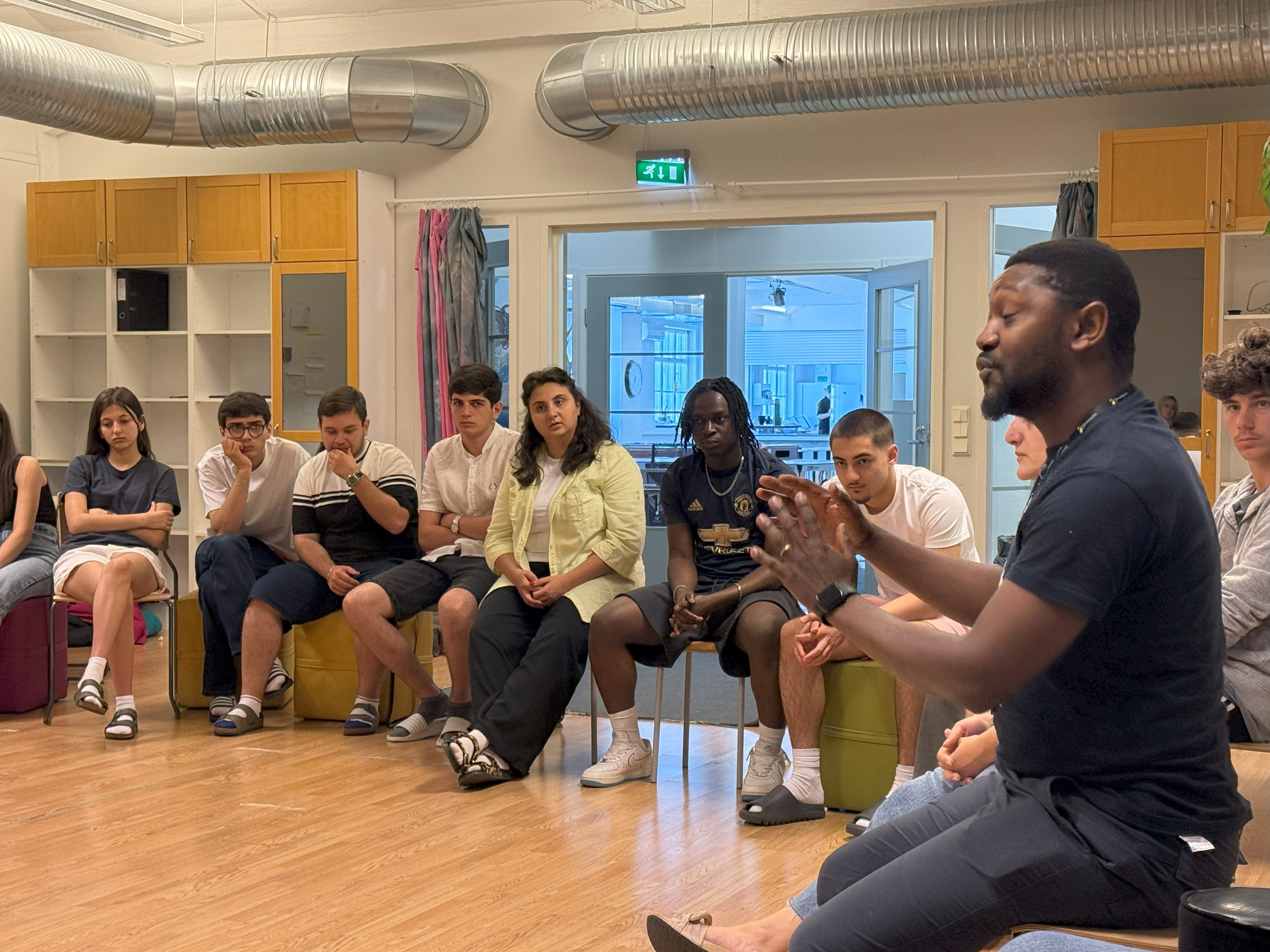
TM: From our youth services’ point of view, collaboration is very active. We organize parents’ meetings, and schools play a major role. We have a dedicated school youth worker who bridges the gap between youth services and schools. Every year, for example, all 4th, 5th, 6th, 7th 8th and 9th graders in Järvenpää come the youth centre to get to know our services. We also visit schools regularly. I go every Wednesday to Koivusaaren school together with the School Youth worker during lunch break and carry out different activities with the pupils. We also organize camps and other joint activities with schools. Families are always involved, and the school youth worker coordinates these efforts.
HG: What skills and competencies do you consider essential for every youth worker?
TM: Firstly, good listening skills, because listening leads to understanding. Secondly, communication skills — both verbal and non-verbal. Body language plays a huge role in youth work. It’s also important to stay up-to-date with current trends, especially social media platforms, since that’s where many young people are. Critical thinking skills are valuable too — for example, realizing that conflicts are sometimes about how something was said, not what was said. Finally, having some practical skills — in gaming, sports, arts — is useful, because it helps to connect with young people.
HG: What organizational, financial, or social challenges do you most commonly encounter in your work?
TM: We are funded by the municipality, and generally, finances are sufficient for our activities. We also have many NGO partners willing to collaborate. In my experience, youth work is taken very seriously in Finland, and I have not faced major financial or organizational challenges. Usually, partners are eager to cooperate when we present ideas.
HG: How do you see the future of youth work? Which trends or tools will be most important?
TM: Youth work is constantly evolving because young people are changing. COVID challenged us to rethink our methods, since face-to-face work was no longer possible. That pushed us toward digital tools and social media platforms. Digital youth work will continue to be very important. Platforms like video games or online spaces allow us to connect with young people even without physical presence. At the same time, the goal remains to create strong enough connections that young people want to meet physically as well. The future of youth work requires creativity and innovation, but I believe it is bright. Youth work remains an essential part of society, helping young people make informed decisions.
HG: Have young people ever shown you something new? If yes, What was it?
TM: Yes, many times. For example, young people have taught me about European history, things I didn’t know before. They’ve also taught me how to use social media tools, like Instagram. I once made a terrible video post, and they showed me how to edit and improve it so it could reach more people. They are always willing to help, and I learn a lot from them.
HG: What would you say to someone who is considering working with you but doesn’t know where to start?
TM: First of all, you must have passion. Youth work is not always smooth. Some young people may not like you, and it is easy to get discouraged. Passion keeps you going. Secondly, you need patience. Building trust and communication takes time. Good listening and communication skills are essential. You must also know boundaries and maintain professionalism, even when emotionally involved. Finally, creativity and openness are key. You are there not for yourself, but for the young people. I always say that I am just a signpost, pointing them toward possible directions. It’s not about me — it’s about them.
HG: Thank you for the conversation and your time.
Interview conducted during the youth exchange “Personal and Career Development” in Finland in 2025 by the volunteers of the HEureka Generator Association, Kamil Fydryk and Ada Berbeć.
TM: From our youth services’ point of view, collaboration is very active. We organize parents’ meetings, and schools play a major role. We have a dedicated school youth worker who bridges the gap between youth services and schools. Every year, for example, all 4th, 5th, 6th, 7th 8th and 9th graders in Järvenpää come the youth centre to get to know our services. We also visit schools regularly. I go every Wednesday to Koivusaaren school together with the School Youth worker during lunch break and carry out different activities with the pupils. We also organize camps and other joint activities with schools. Families are always involved, and the school youth worker coordinates these efforts.
HG: What skills and competencies do you consider essential for every youth worker?
TM: Firstly, good listening skills, because listening leads to understanding. Secondly, communication skills — both verbal and non-verbal. Body language plays a huge role in youth work. It’s also important to stay up-to-date with current trends, especially social media platforms, since that’s where many young people are. Critical thinking skills are valuable too — for example, realizing that conflicts are sometimes about how something was said, not what was said. Finally, having some practical skills — in gaming, sports, arts — is useful, because it helps to connect with young people.
HG: What organizational, financial, or social challenges do you most commonly encounter in your work?
TM: We are funded by the municipality, and generally, finances are sufficient for our activities. We also have many NGO partners willing to collaborate. In my experience, youth work is taken very seriously in Finland, and I have not faced major financial or organizational challenges. Usually, partners are eager to cooperate when we present ideas.
HG: How do you see the future of youth work? Which trends or tools will be most important?
TM: Youth work is constantly evolving because young people are changing. COVID challenged us to rethink our methods, since face-to-face work was no longer possible. That pushed us toward digital tools and social media platforms. Digital youth work will continue to be very important. Platforms like video games or online spaces allow us to connect with young people even without physical presence. At the same time, the goal remains to create strong enough connections that young people want to meet physically as well. The future of youth work requires creativity and innovation, but I believe it is bright. Youth work remains an essential part of society, helping young people make informed decisions.
HG: Have young people ever shown you something new? If yes, What was it?
TM: Yes, many times. For example, young people have taught me about European history, things I didn’t know before. They’ve also taught me how to use social media tools, like Instagram. I once made a terrible video post, and they showed me how to edit and improve it so it could reach more people. They are always willing to help, and I learn a lot from them.
HG: What would you say to someone who is considering working with you but doesn’t know where to start?
TM: First of all, you must have passion. Youth work is not always smooth. Some young people may not like you, and it is easy to get discouraged. Passion keeps you going. Secondly, you need patience. Building trust and communication takes time. Good listening and communication skills are essential. You must also know boundaries and maintain professionalism, even when emotionally involved. Finally, creativity and openness are key. You are there not for yourself, but for the young people. I always say that I am just a signpost, pointing them toward possible directions. It’s not about me — it’s about them.
HG: Thank you for the conversation and your time.
Interview conducted during the youth exchange “Personal and Career Development” in Finland in 2025 by the volunteers of the HEureka Generator Association, Kamil Fydryk and Ada Berbeć.