 Angielski (ENG)
  Polski (PL)
Between the alarm and action
HEureka Generator: Can you introduce yourself?
Radostyna Donchenko: Hi everyone, my name is Radostyna, I’m from Ukraine, I live in Zaporizhzhia, and I have been working in a local NGO for four years already.
Radostyna Donchenko: Hi everyone, my name is Radostyna, I’m from Ukraine, I live in Zaporizhzhia, and I have been working in a local NGO for four years already.
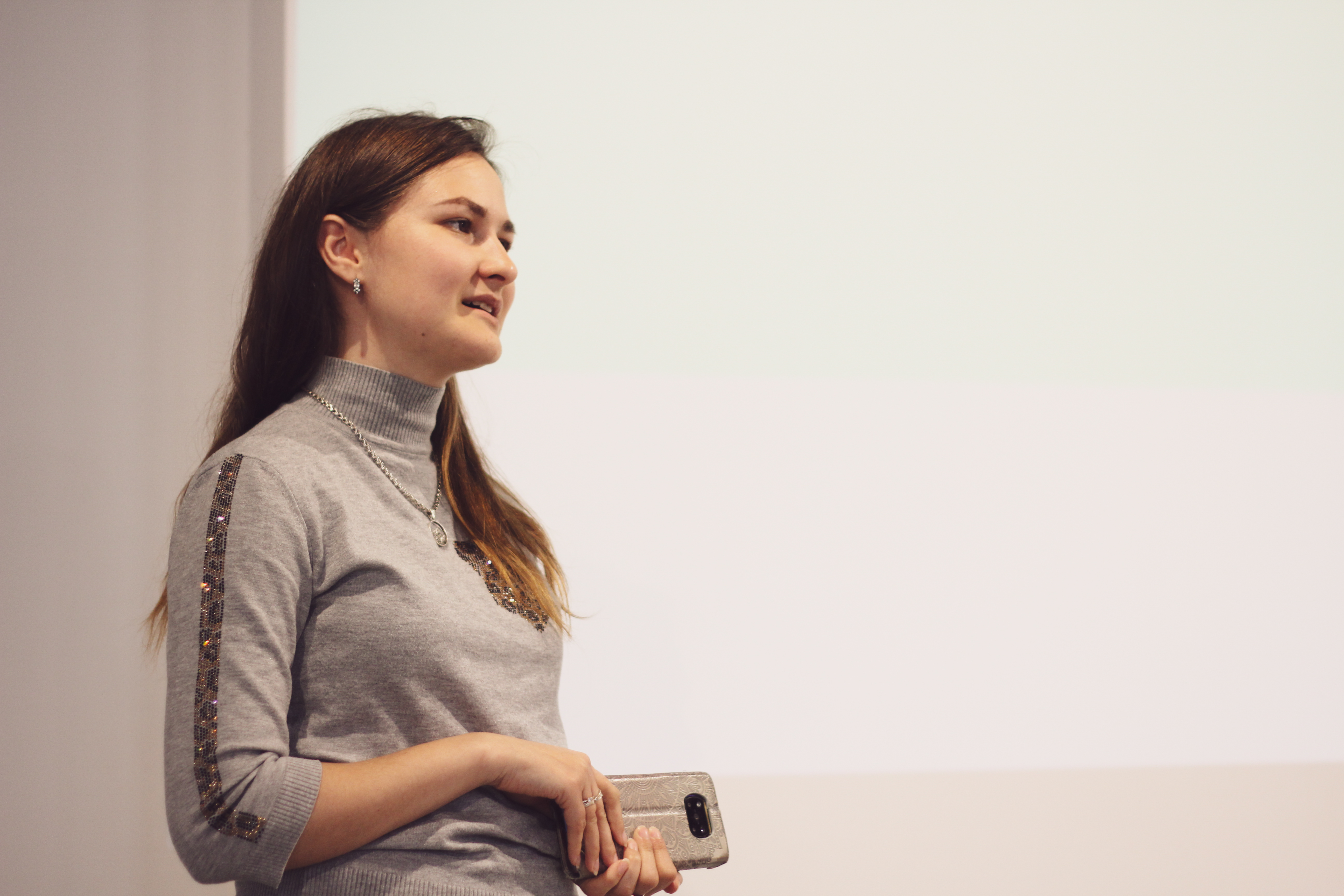
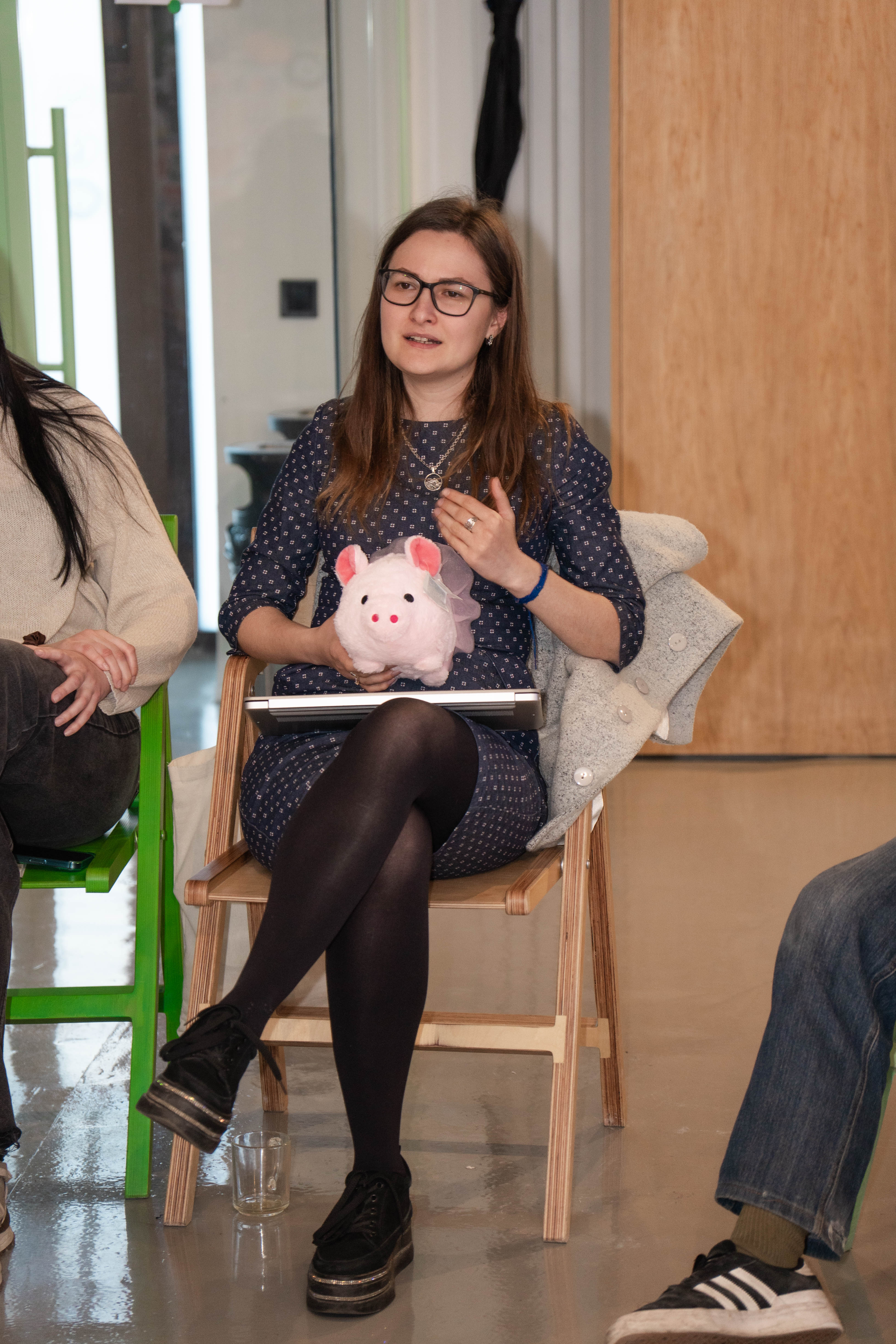
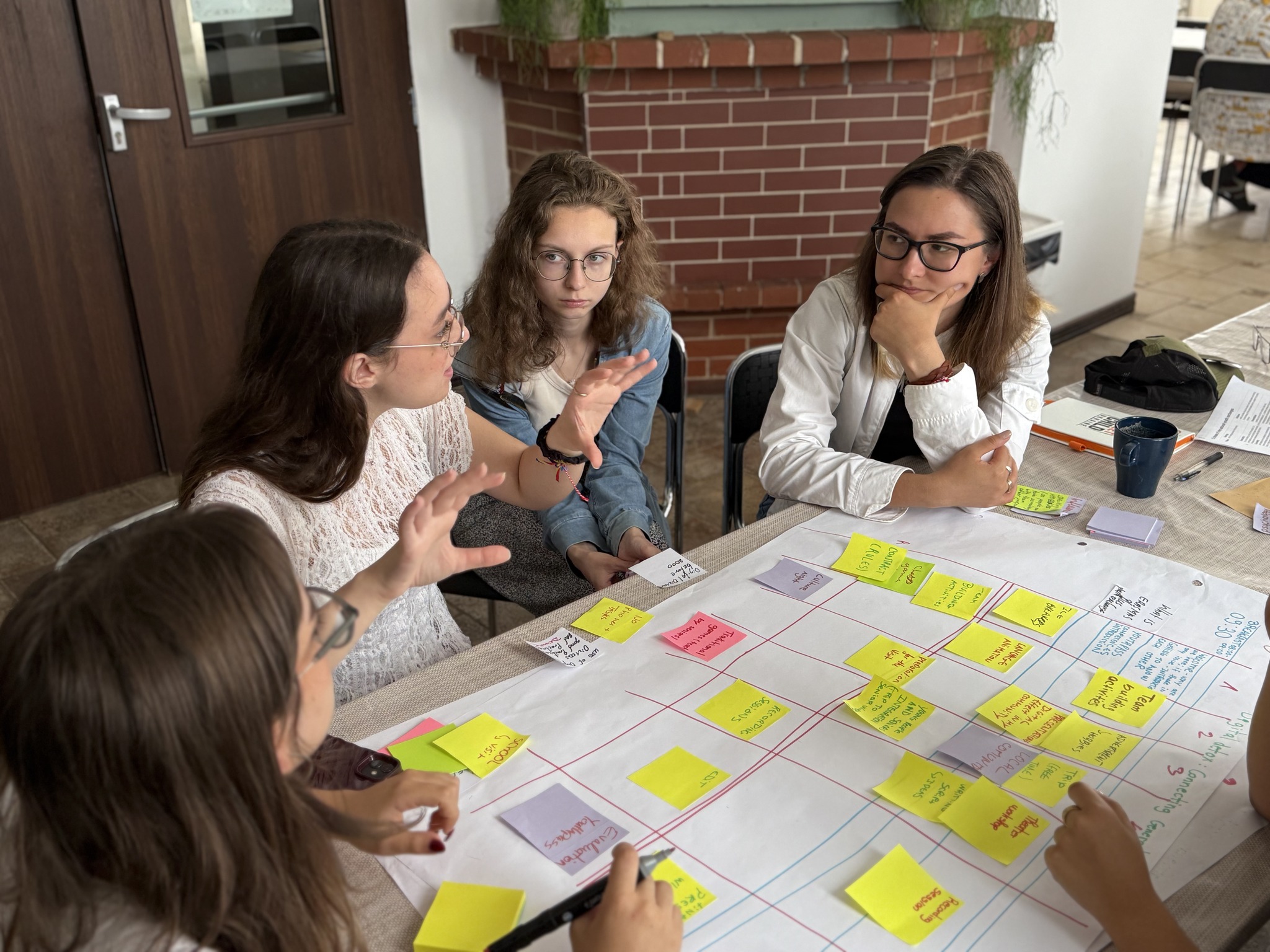
HG: Could you tell us a bit about your organization? What do you do and what are your main goals?
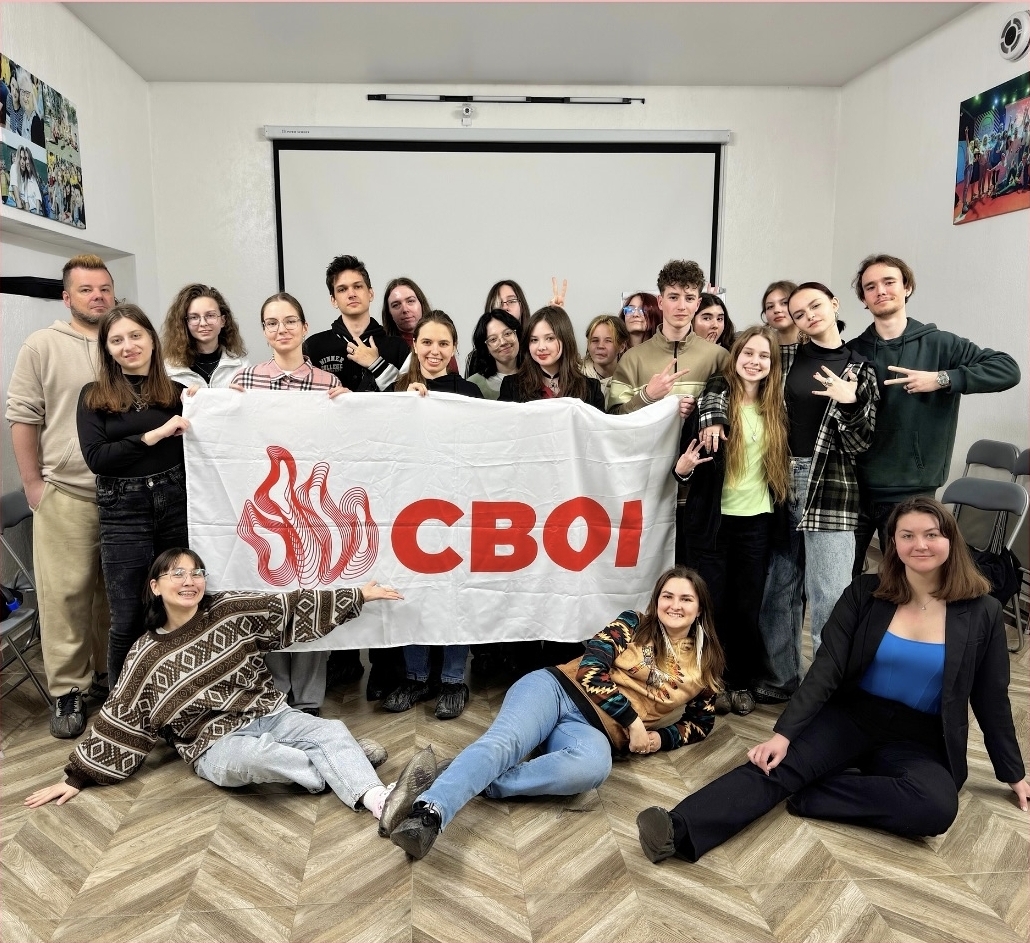
RD: NGO SVOI was established in January 2021. I first joined as a volunteer in November 2021, and now I am a board member – mainly responsible for international projects and partly for local ones. The initial goal of the organization was to empower young people through volunteering and to promote volunteering in Zaporizhzhia – not only among youth but among the wider community.
Volunteering wasn’t popular, people often didn’t understand why they should do something for free. After the full-scale invasion of Ukraine by the russian federation, the situation changed drastically, and for a while, we weren’t sure what our next steps would be. Over time, we transformed into a platform for young people where they can grow not only through volunteering but also through leadership and international programs. Today, we work exclusively with youth, offering them opportunities for growth and self-development.
RD: NGO SVOI was established in January 2021. I first joined as a volunteer in November 2021, and now I am a board member – mainly responsible for international projects and partly for local ones. The initial goal of the organization was to empower young people through volunteering and to promote volunteering in Zaporizhzhia – not only among youth but among the wider community.
Volunteering wasn’t popular, people often didn’t understand why they should do something for free. After the full-scale invasion of Ukraine by the russian federation, the situation changed drastically, and for a while, we weren’t sure what our next steps would be. Over time, we transformed into a platform for young people where they can grow not only through volunteering but also through leadership and international programs. Today, we work exclusively with youth, offering them opportunities for growth and self-development.

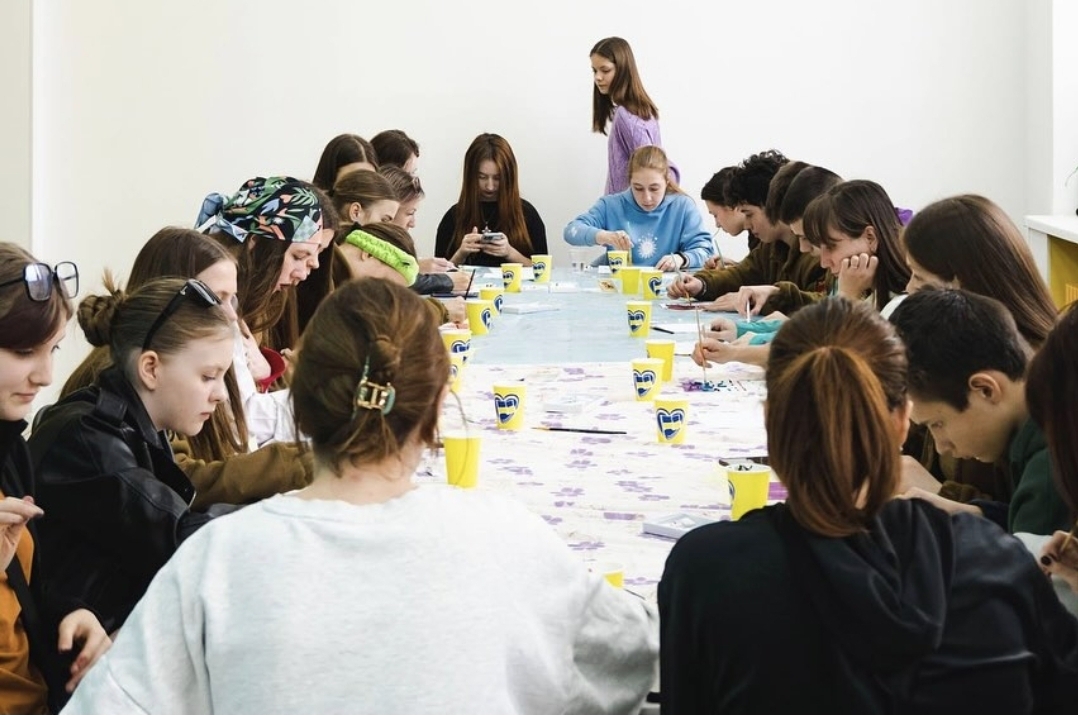

HG: What inspired you and what keeps you motivated to work in the organization?
RD: My main motivation is the change I can make – and I already see how people transform when they get involved in our organization. Another motivating factor is the feedback from participants. For example, in April this year, we participated in a youth exchange in Poland, in Motycz Leśny. We brought a group of teenagers (15–17 years old), and after returning home, one of the boys sent me a long message saying that the youth exchange inspired him, changed his life, and gave him the courage to apply for a long-term international program. He asked me for a recommendation letter – I wrote it for him – and he was accepted. Now he is studying for two years in London. That truly inspires me – seeing that I can have an impact on young people from my region.
HG: How has the war affected your organization’s daily work? What did you have to change to keep functioning?
RD: The first thing we did was create a shared Google Drive space accessible to all members. Before, only a few people had access to things like social media or documents. Now everything is in one place because we never know what might happen – we need to make sure the organization can continue functioning under any circumstances. Another challenge is the team’s dispersion – our president lives in another city, which complicates administrative work. Many of our volunteers left after the war began, so we had to rebuild our community from scratch.
RD: My main motivation is the change I can make – and I already see how people transform when they get involved in our organization. Another motivating factor is the feedback from participants. For example, in April this year, we participated in a youth exchange in Poland, in Motycz Leśny. We brought a group of teenagers (15–17 years old), and after returning home, one of the boys sent me a long message saying that the youth exchange inspired him, changed his life, and gave him the courage to apply for a long-term international program. He asked me for a recommendation letter – I wrote it for him – and he was accepted. Now he is studying for two years in London. That truly inspires me – seeing that I can have an impact on young people from my region.
HG: How has the war affected your organization’s daily work? What did you have to change to keep functioning?
RD: The first thing we did was create a shared Google Drive space accessible to all members. Before, only a few people had access to things like social media or documents. Now everything is in one place because we never know what might happen – we need to make sure the organization can continue functioning under any circumstances. Another challenge is the team’s dispersion – our president lives in another city, which complicates administrative work. Many of our volunteers left after the war began, so we had to rebuild our community from scratch.
HG: How do you manage to keep your motivation and energy for social work in such difficult times?
RD: Social work itself keeps me motivated. When I’m busy, I don’t have time to dwell on the situation in the country or scroll through the news. I have my schedule planned months ahead, and that keeps me in an active mode. Also, staying in touch with people helps me a lot.
HG: Is ensuring participants’ safety a challenge? How do you deal with it?
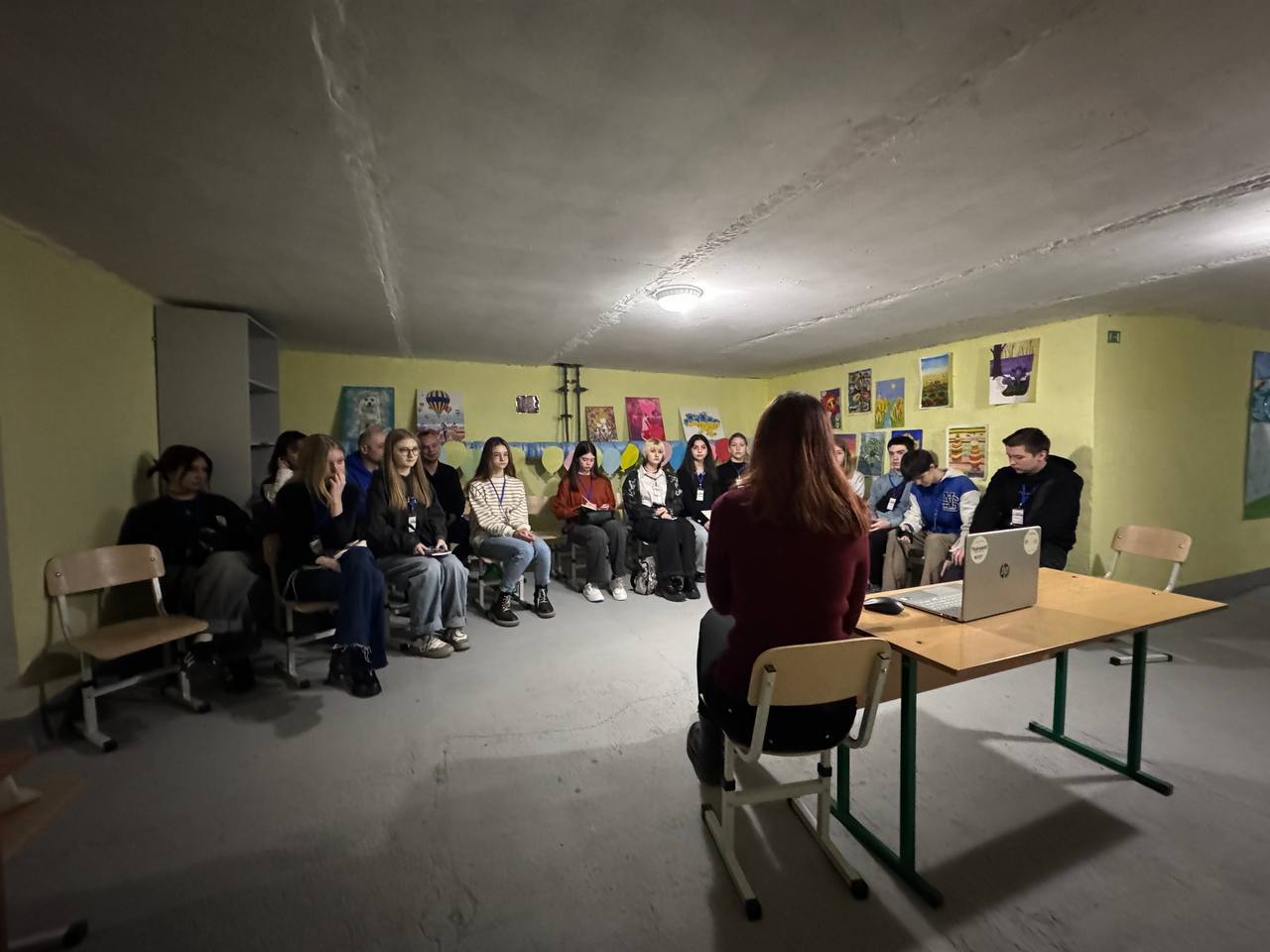
RD: In the first year of the war, it was a major issue because there were few safe spaces. Now the situation is a bit better. Whenever we organize an event, safety is always the top priority. We usually choose basement venues (level -1 or -2). If that’s not possible, we adjust depending on the type of alarm and the participants’ age. If they’re minors, we always go to the shelter – even 10 times a day if needed. Adults can choose: if it’s a drone alert, we might continue; if it’s a missile alert, we go to the shelter. Sometimes we even hold sessions directly in shelters – we bring flipcharts and just keep working there.
HG: How do air raid alarms affect your daily life?
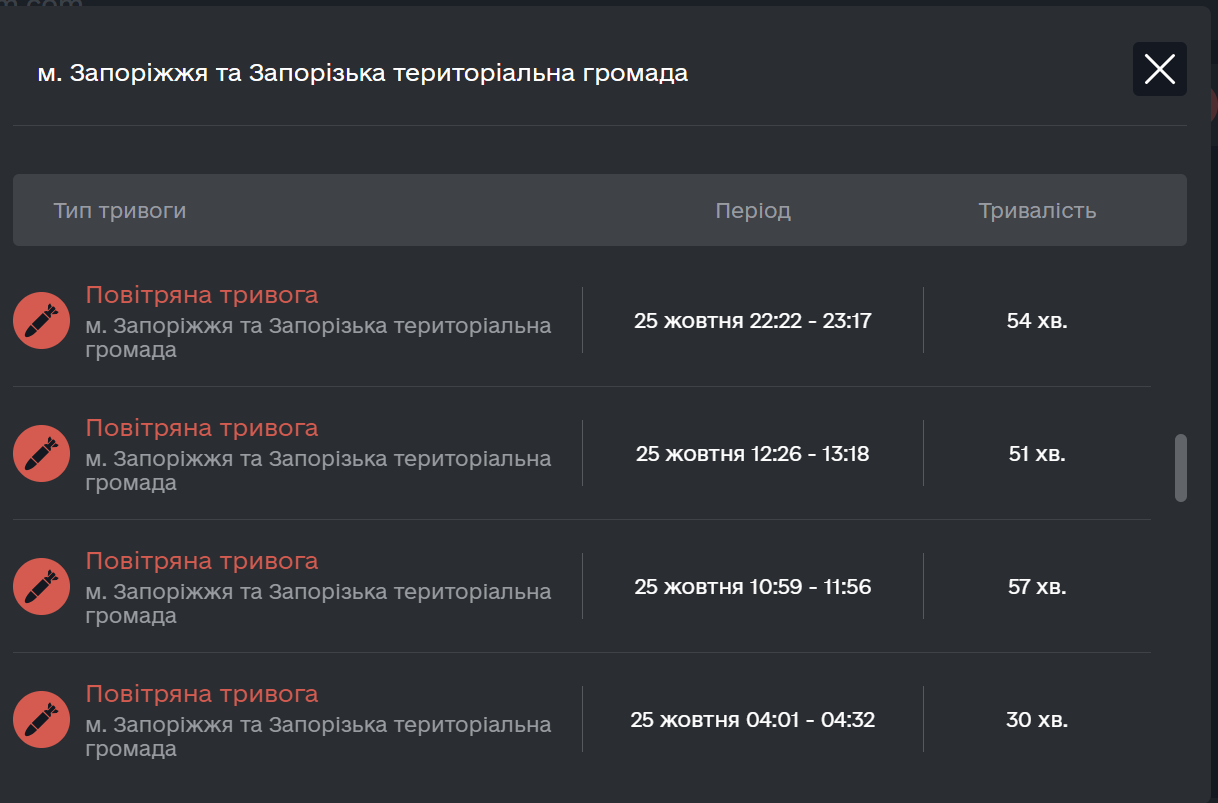
RD: That’s probably the hardest question, because I’ve become so used to them that I almost don’t react anymore. I know it’s dangerous, but it’s impossible to live a normal life when alarms go off 10–15 times a day, lasting from 5 minutes to several hours. Some places close during alarms (like theatres or galleries), but many others – like banks or post offices – keep working. The worst are the nighttime alarms – we usually don’t have time to go to the shelter, so we hide in the bathroom or hallway without windows. It’s tough when you don’t sleep until 4 a.m. and have to wake up at 7 for work. But that’s not an excuse – everyone in Ukraine is in the same situation. You just have to keep going, no matter what.
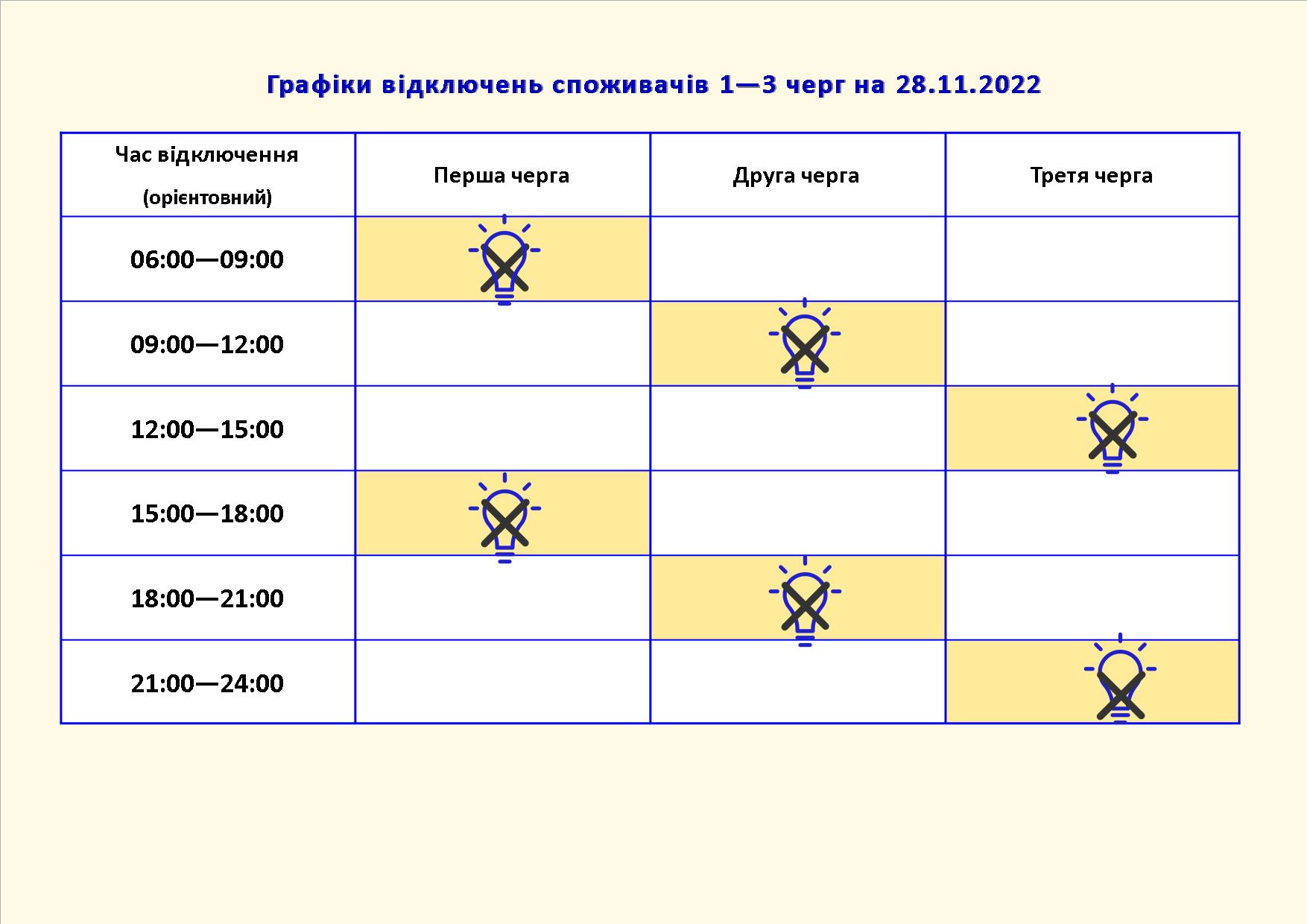
In addition to air raid alarms, a major challenge is also the power outages, which can last from 2 up to even 12 hours a day, depending on the load on the energy system. On days when power cuts are expected, residents receive schedules that allow them to check exactly when and for how long a power outage will occur at their address and, if possible, plan their time accordingly. If the outage lasts for a long time and work still needs to be done, I usually go to a so-called “invincibility point” – there are many of them in each district of the city. These are centers with an alternative energy source, where there is always light, you can charge your laptop, warm up, and continue working.
RD: Social work itself keeps me motivated. When I’m busy, I don’t have time to dwell on the situation in the country or scroll through the news. I have my schedule planned months ahead, and that keeps me in an active mode. Also, staying in touch with people helps me a lot.
HG: Is ensuring participants’ safety a challenge? How do you deal with it?
RD: In the first year of the war, it was a major issue because there were few safe spaces. Now the situation is a bit better. Whenever we organize an event, safety is always the top priority. We usually choose basement venues (level -1 or -2). If that’s not possible, we adjust depending on the type of alarm and the participants’ age. If they’re minors, we always go to the shelter – even 10 times a day if needed. Adults can choose: if it’s a drone alert, we might continue; if it’s a missile alert, we go to the shelter. Sometimes we even hold sessions directly in shelters – we bring flipcharts and just keep working there.
HG: How do air raid alarms affect your daily life?
RD: That’s probably the hardest question, because I’ve become so used to them that I almost don’t react anymore. I know it’s dangerous, but it’s impossible to live a normal life when alarms go off 10–15 times a day, lasting from 5 minutes to several hours. Some places close during alarms (like theatres or galleries), but many others – like banks or post offices – keep working. The worst are the nighttime alarms – we usually don’t have time to go to the shelter, so we hide in the bathroom or hallway without windows. It’s tough when you don’t sleep until 4 a.m. and have to wake up at 7 for work. But that’s not an excuse – everyone in Ukraine is in the same situation. You just have to keep going, no matter what.
In addition to air raid alarms, a major challenge is also the power outages, which can last from 2 up to even 12 hours a day, depending on the load on the energy system. On days when power cuts are expected, residents receive schedules that allow them to check exactly when and for how long a power outage will occur at their address and, if possible, plan their time accordingly. If the outage lasts for a long time and work still needs to be done, I usually go to a so-called “invincibility point” – there are many of them in each district of the city. These are centers with an alternative energy source, where there is always light, you can charge your laptop, warm up, and continue working.
HG: How was your journey to Poland for our youth exchange (October 6, 2025)?
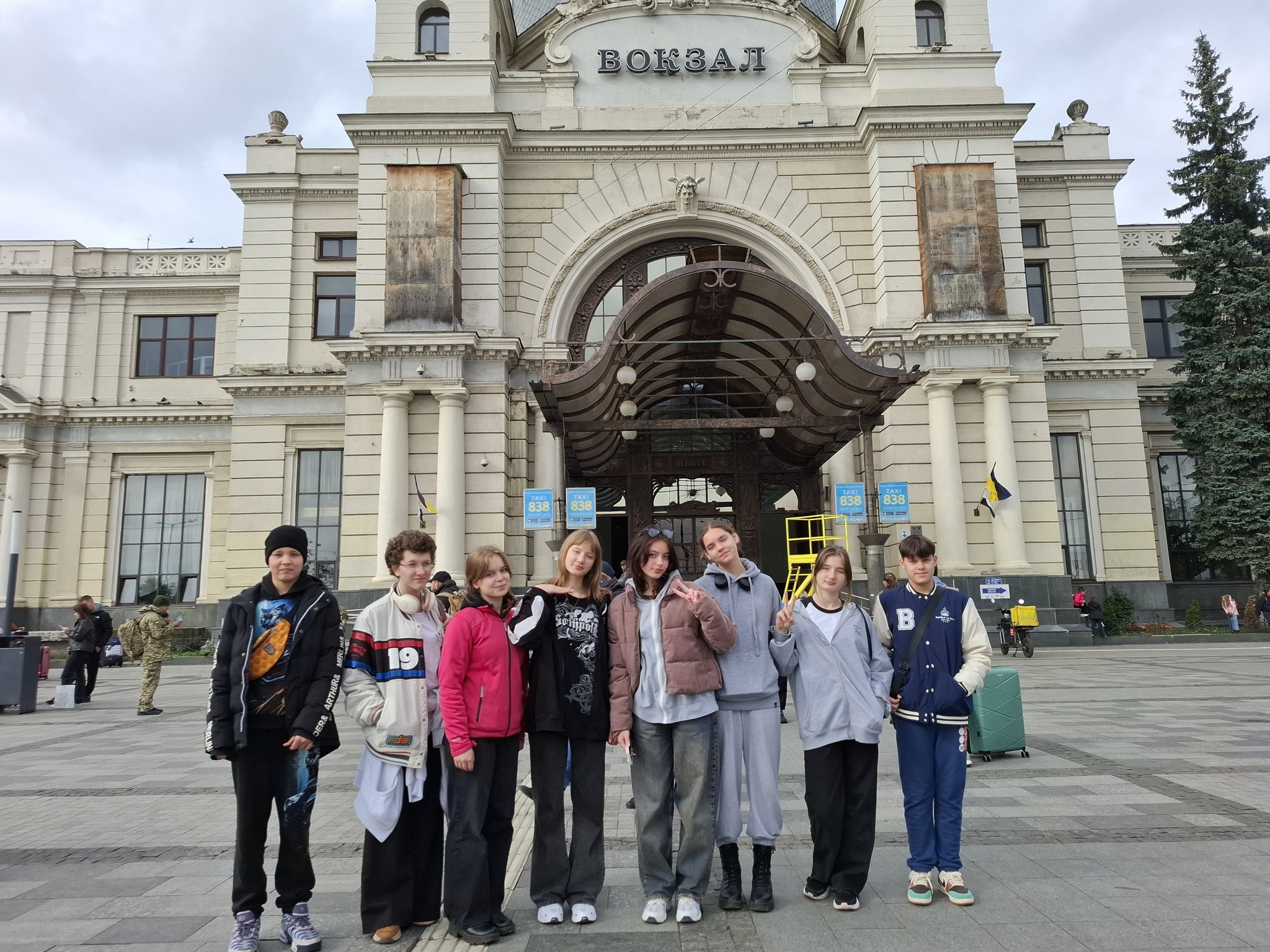
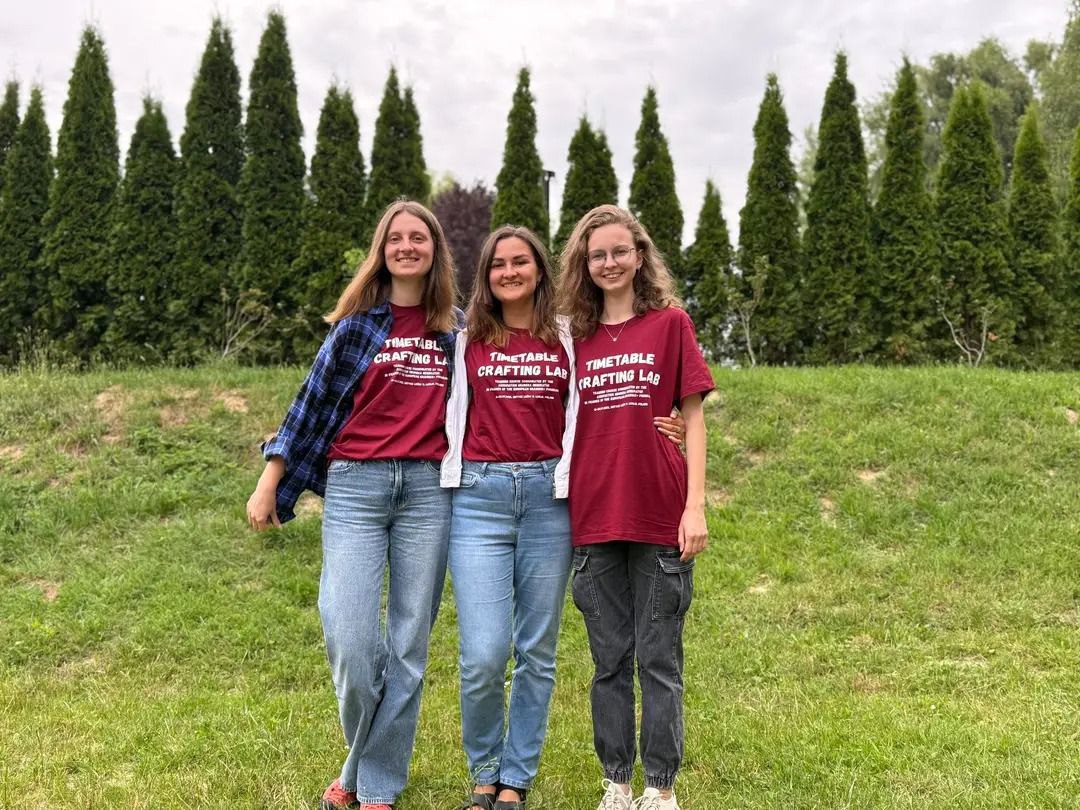
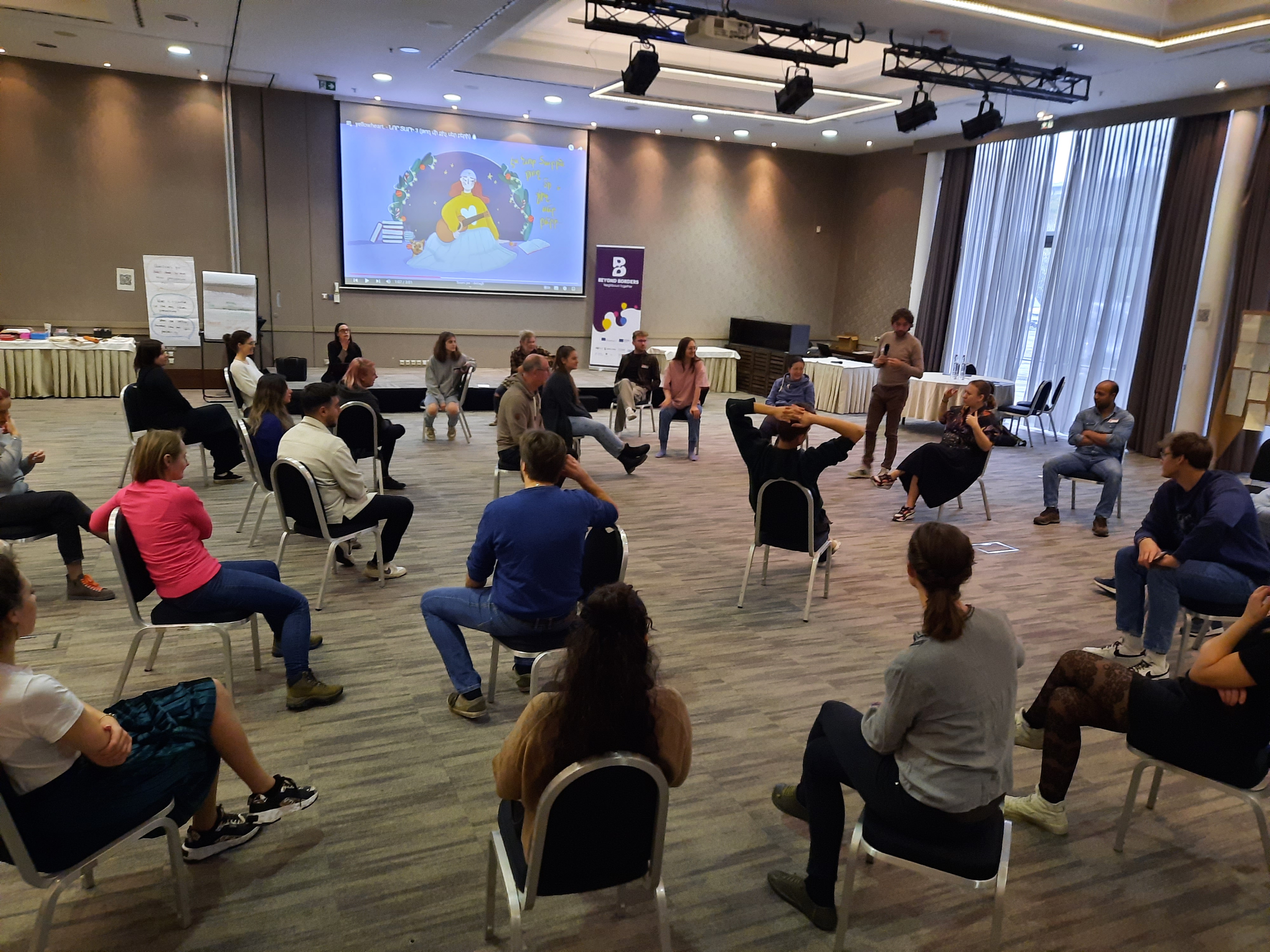
RD: This time it was really easy (06.10.2025). Usually, traveling to Motycz Leśny isn’t a problem – it’s close and we only have one transfer. The biggest challenge is buying train tickets. They go on sale 20 days in advance at 9:00 a.m. – and by 9:30 they’re usually gone. If I’m traveling with a big group, especially minors, it’s hard to get seats in the same carriage. This time I found a less popular train – the trip was longer, but tickets were available all day, and we managed to sit together. We left on Sunday at 17:30 and arrived on Monday at 20:00. It was a smooth journey compared to, for example, our youth exchange in Croatia, which took two days and four transfers.
RD: This time it was really easy (06.10.2025). Usually, traveling to Motycz Leśny isn’t a problem – it’s close and we only have one transfer. The biggest challenge is buying train tickets. They go on sale 20 days in advance at 9:00 a.m. – and by 9:30 they’re usually gone. If I’m traveling with a big group, especially minors, it’s hard to get seats in the same carriage. This time I found a less popular train – the trip was longer, but tickets were available all day, and we managed to sit together. We left on Sunday at 17:30 and arrived on Monday at 20:00. It was a smooth journey compared to, for example, our youth exchange in Croatia, which took two days and four transfers.
HG: Do international projects have special meaning for you now?
RD: Yes, they’ve always meant a lot to me. As a child, I was very shy and thought only rich people could travel abroad. I went on my first international project at the age of 23 – and it changed my life. Through these projects, I met amazing people, different cultures and countries, and found my place in life by starting to work in an NGO. I want young people from Zaporizhzhia to have the same opportunities. Many young people are leaving the city now – and I understand them. I can support and prepare them, show them other possibilities. These projects are also important to me because I feel genuine understanding and support from partners – for example, HEureka Generator helped us with travel reimbursements in cash, according to Erasmus+ rules, when banks blocked international transfers to Zaporizhzhia. Usually, travel reimbursements are made by bank transfer after the activity ends. That kind of flexibility is rare and very valuable.
RD: Yes, they’ve always meant a lot to me. As a child, I was very shy and thought only rich people could travel abroad. I went on my first international project at the age of 23 – and it changed my life. Through these projects, I met amazing people, different cultures and countries, and found my place in life by starting to work in an NGO. I want young people from Zaporizhzhia to have the same opportunities. Many young people are leaving the city now – and I understand them. I can support and prepare them, show them other possibilities. These projects are also important to me because I feel genuine understanding and support from partners – for example, HEureka Generator helped us with travel reimbursements in cash, according to Erasmus+ rules, when banks blocked international transfers to Zaporizhzhia. Usually, travel reimbursements are made by bank transfer after the activity ends. That kind of flexibility is rare and very valuable.
HG: How is your cooperation with international partners going?
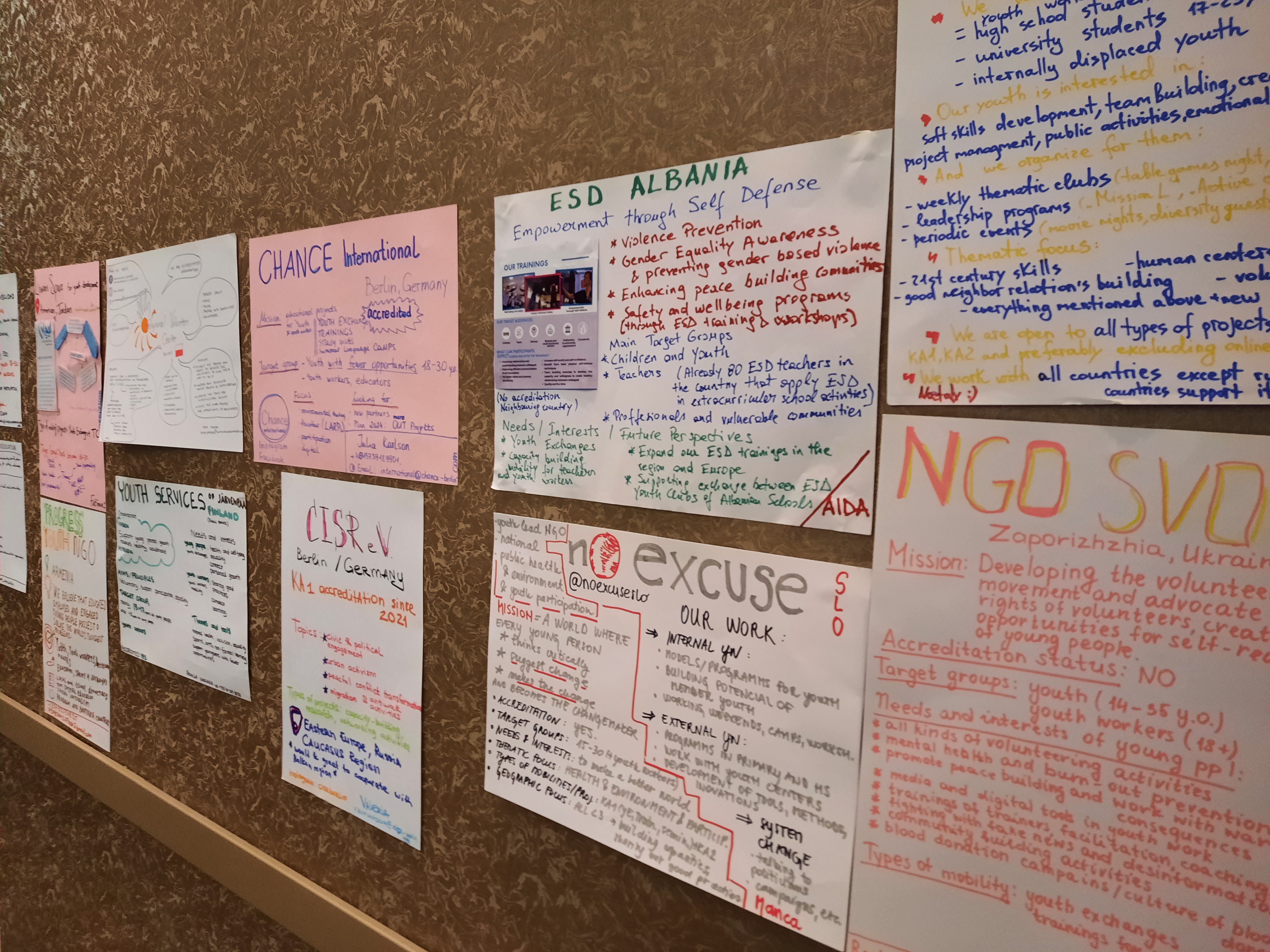
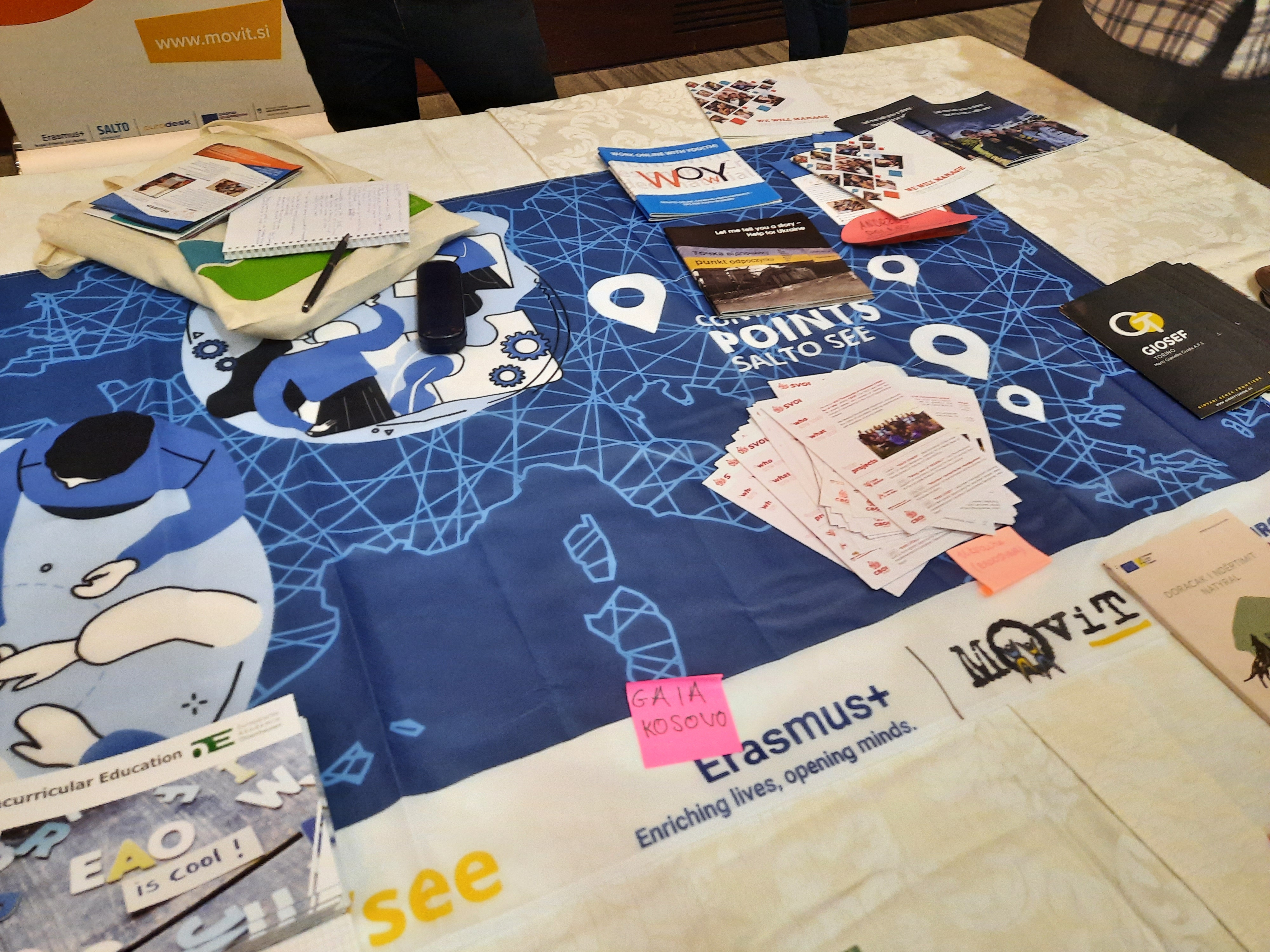
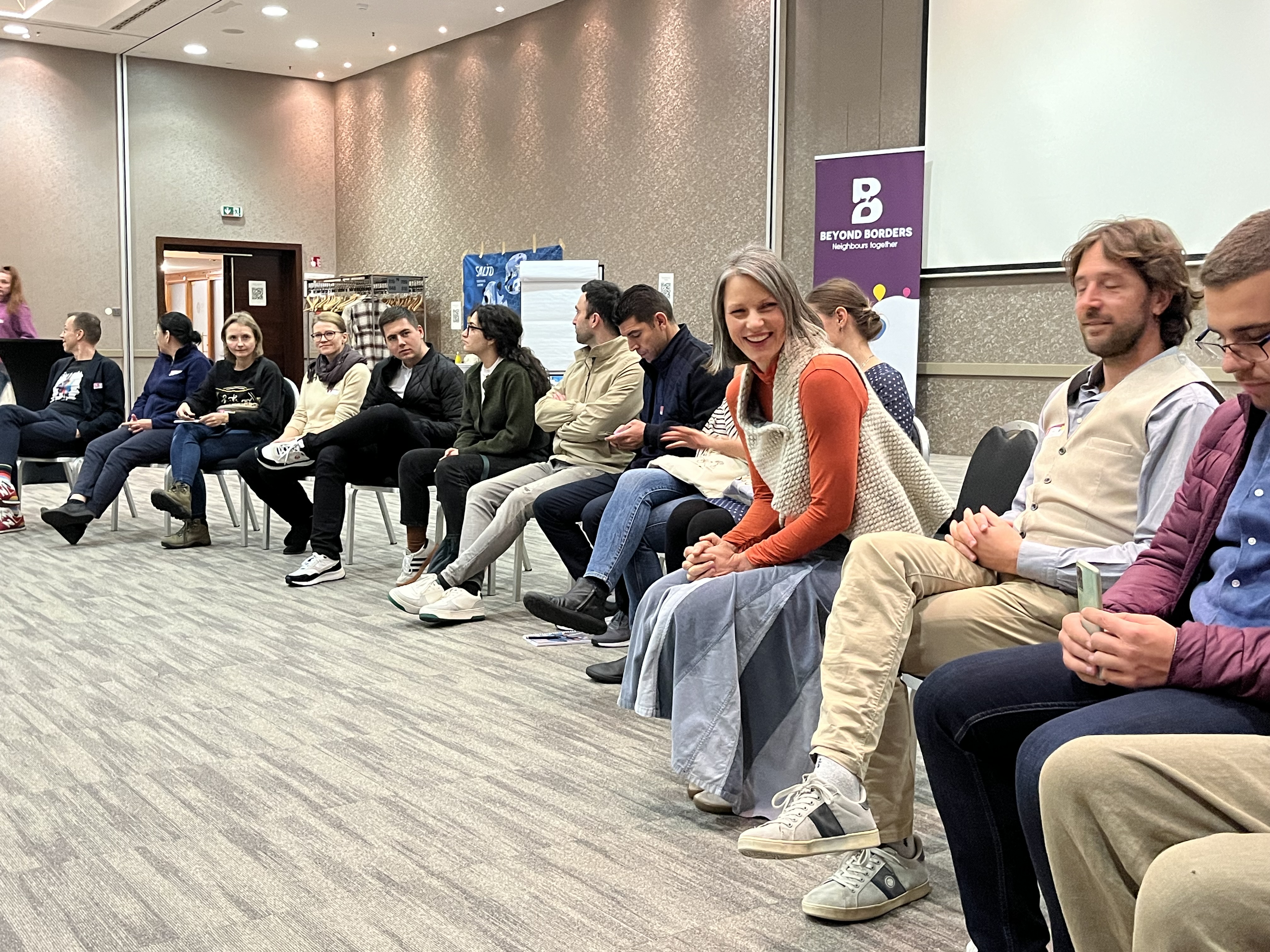
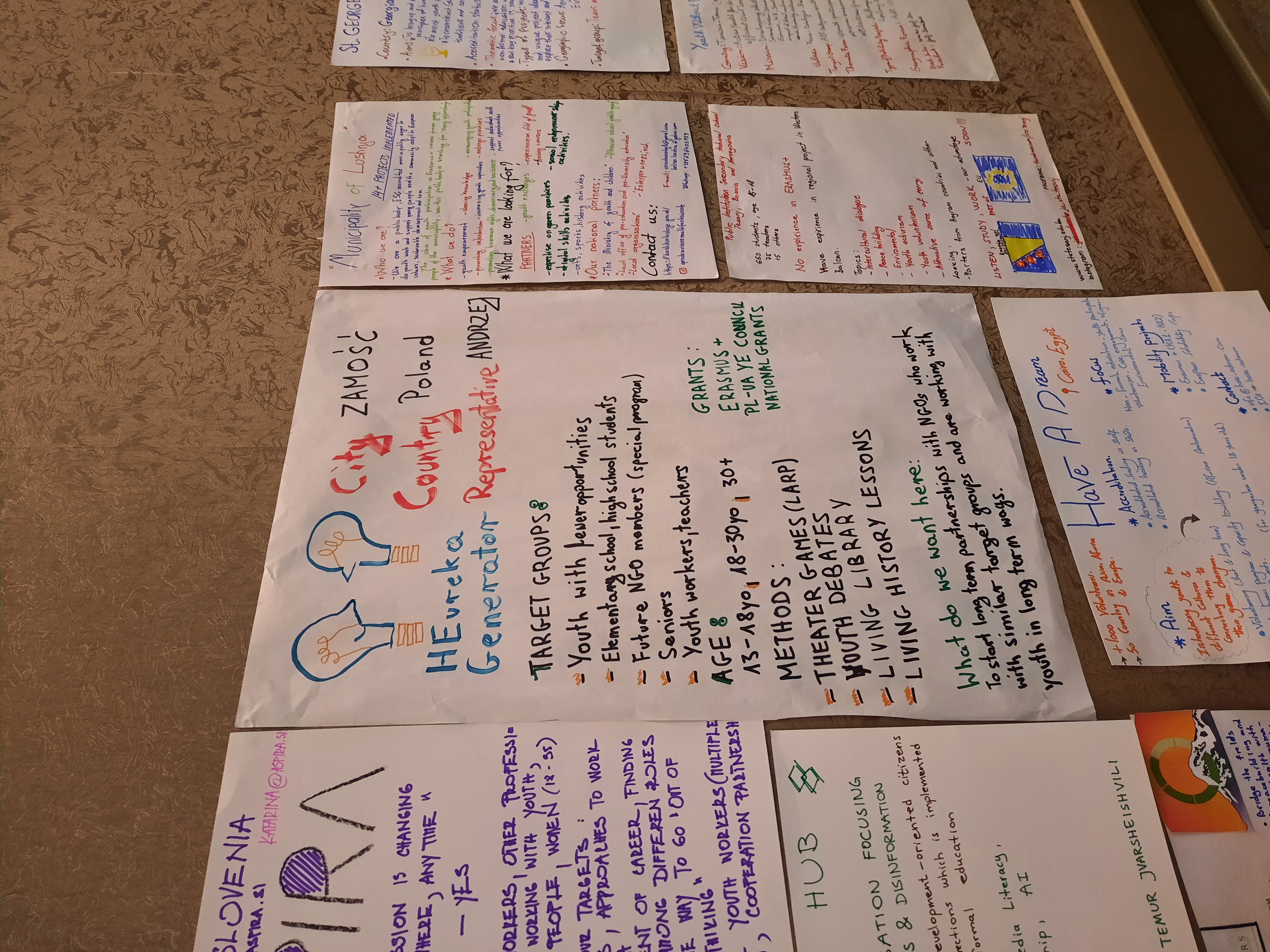
RD: We already talked about this – overall, it’s going very well. Sometimes we face challenges (like logistics, travel, or financial issues), but our partners are understanding. We have a strong relationship because we met in person before starting Erasmus+ projects. Before launching them, I went to a partnership-building seminar in Ljubljana (November 2023). There I met partners from Croatia, Andrzej, and others, with whom we later implemented projects. Those meetings were very useful – we could discuss budgets, travel, and challenges face to face. And it really paid off – thanks to those personal connections, our cooperation works perfectly.
RD: We already talked about this – overall, it’s going very well. Sometimes we face challenges (like logistics, travel, or financial issues), but our partners are understanding. We have a strong relationship because we met in person before starting Erasmus+ projects. Before launching them, I went to a partnership-building seminar in Ljubljana (November 2023). There I met partners from Croatia, Andrzej, and others, with whom we later implemented projects. Those meetings were very useful – we could discuss budgets, travel, and challenges face to face. And it really paid off – thanks to those personal connections, our cooperation works perfectly.
HG: Thank you very much for your time and for sharing your experience.
RD: Thank you as well for your questions!
The interview with Radostyna Donchenko from our partner organization SVOI from Zaporizhzhia, Ukraine, was conducted by Kamil Fydryk and Weronika Wilk, volunteers of the HEureka Generator Association (Poland).
RD: Thank you as well for your questions!
The interview with Radostyna Donchenko from our partner organization SVOI from Zaporizhzhia, Ukraine, was conducted by Kamil Fydryk and Weronika Wilk, volunteers of the HEureka Generator Association (Poland).
