 Angielski (ENG)
  Polski (PL)
Street Art
Mateusz Piątkiewicz is the chairperson of the partner organization of the HEureka Generator association - the Yellow Sheep Foundation. We met long before HEureka was founded and more than once we had the opportunity to participate together in projects and events related to active citizenship in Poland and abroad. Graffiti is on of his passions and thanks to him we learned what the graffiti is 'from the inside'. Our today's conversation will be focused this inspiring topic.
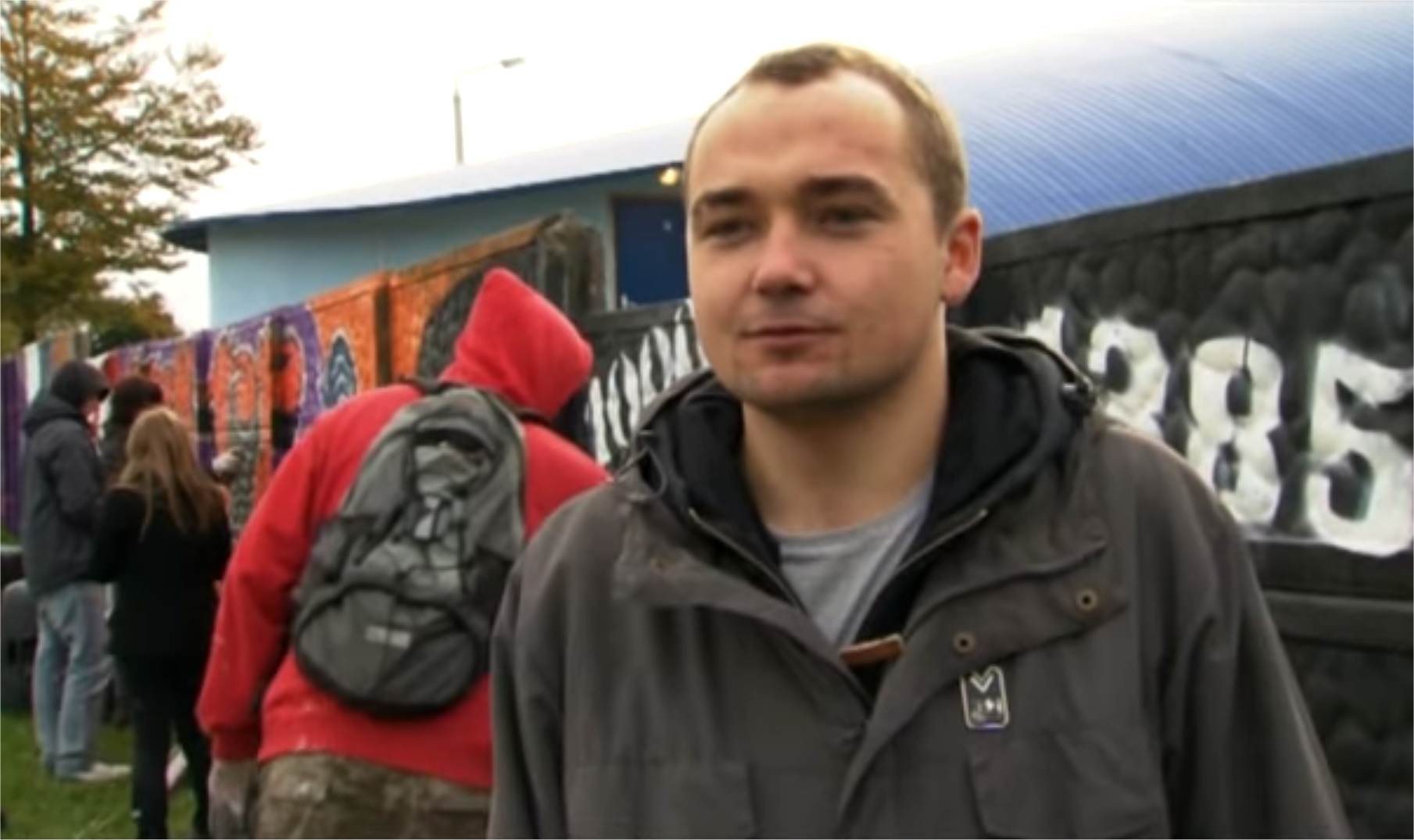
Andrzej Smyk: In 2014, we participated together in a project in Estonia, the main topic of which was Street Art. It was my first experience with Graffiti. You were already an expert at the workshops then. How did you get interested in this topic?
Mateusz Piątkiewicz: Since I remember, I have always liked to draw / sketch / paint. I think that this topic was especially interesting for a teenager because it was a kind of colorful rebellion against everyday life, and the illegality of this practice gave it even more flavor. Access to inspiration in the form of newspapers / albums was quite limited, so I remember that I couldn't take myself away from the graffiti every time I saw it with my own eyes. Various typefaces, sizes, colors of places and characters made it hard to miss.
AS: You probably know that many people consider graffiti to be 'scribbling on walls'. Can you describe what of all this is 'scribbling' and what is art?
MP: The issue is quite conventional - a red dot on a white background in an art gallery is art, and the same dot on the street will be an act of vandalism. I do not like scribbled houses, buildings, bus stops, etc. For me it has nothing to do with art, although there are also those who appreciate it. Of course, in graffiti there are so-called styles that are very simple in form, but still have that something. In graffiti, there has always been a rush to promote your nickname wherever you can. Unfortunately, this often rules out quality. It's so much better now. Graffiti and broadly understood street art are present in art galleries, cities have special surfaces for painting, murals are created and many people willingly make their walls available, thanks to which graffiti has its place on the street.
AS: I don't have any artistic talent, and yet we once created a graffiti that looked as if it had been made by a professional. Can you tell how it is possible that virtually anyone can create good-looking graffiti using the right technique?
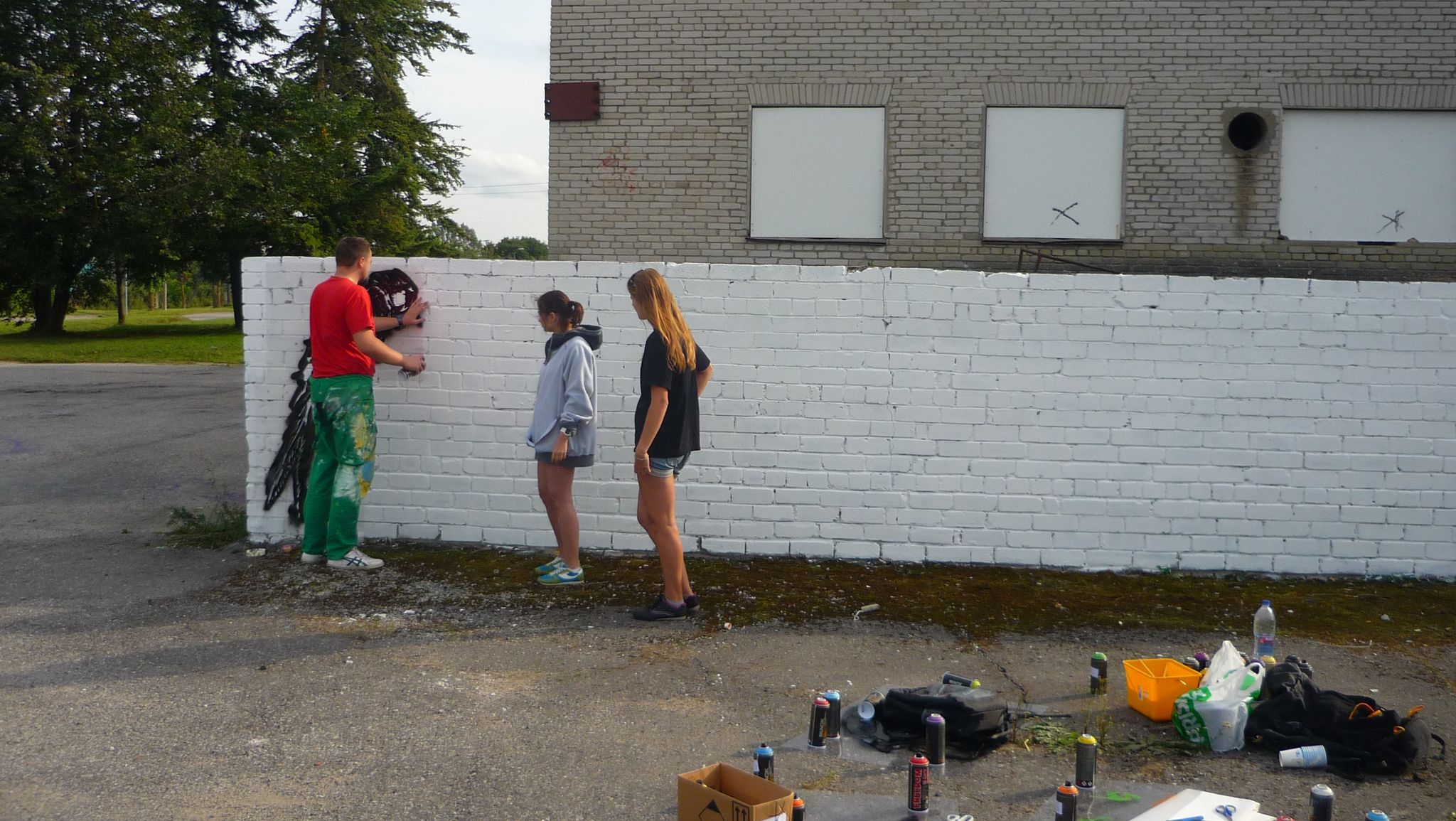
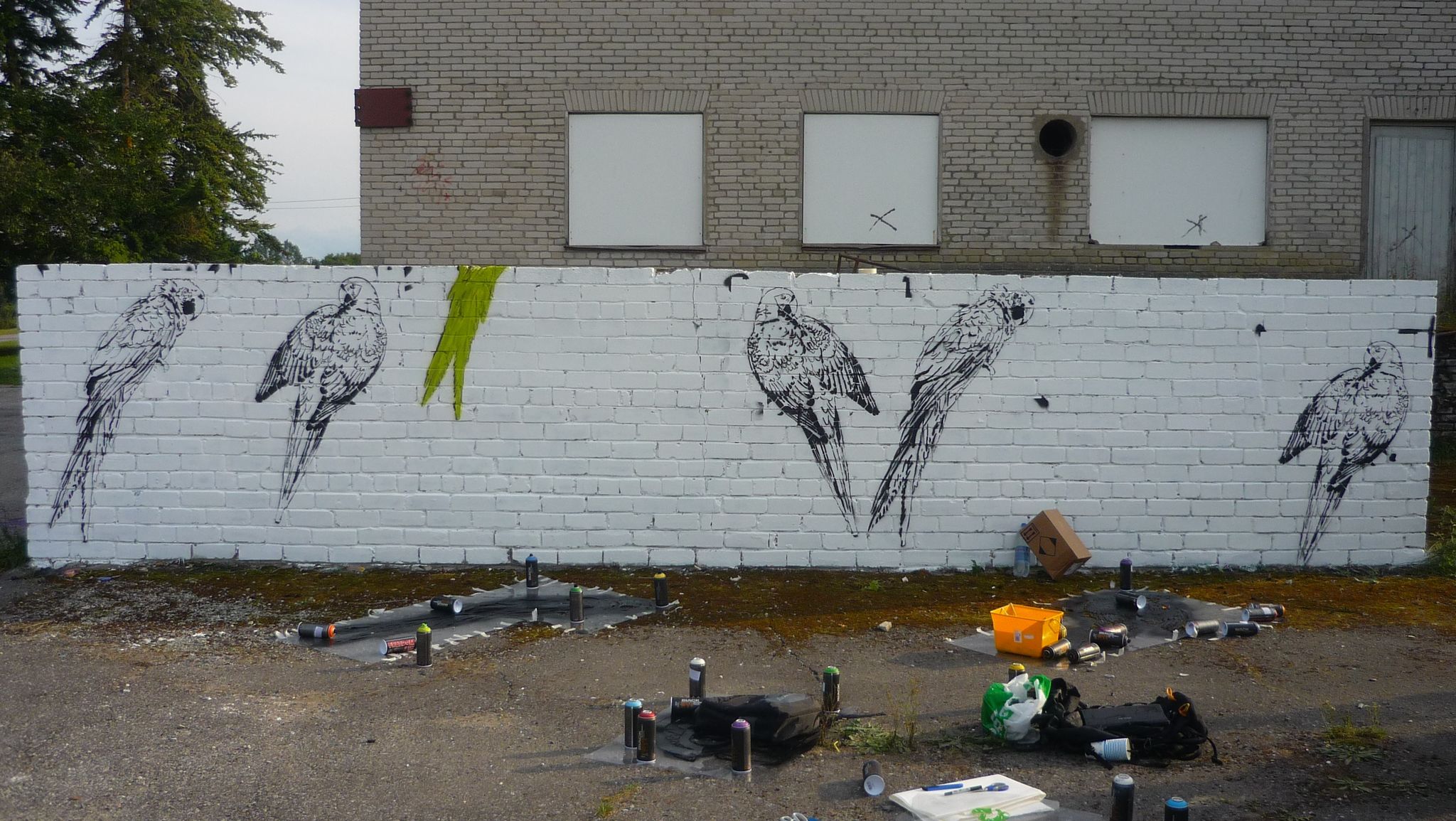
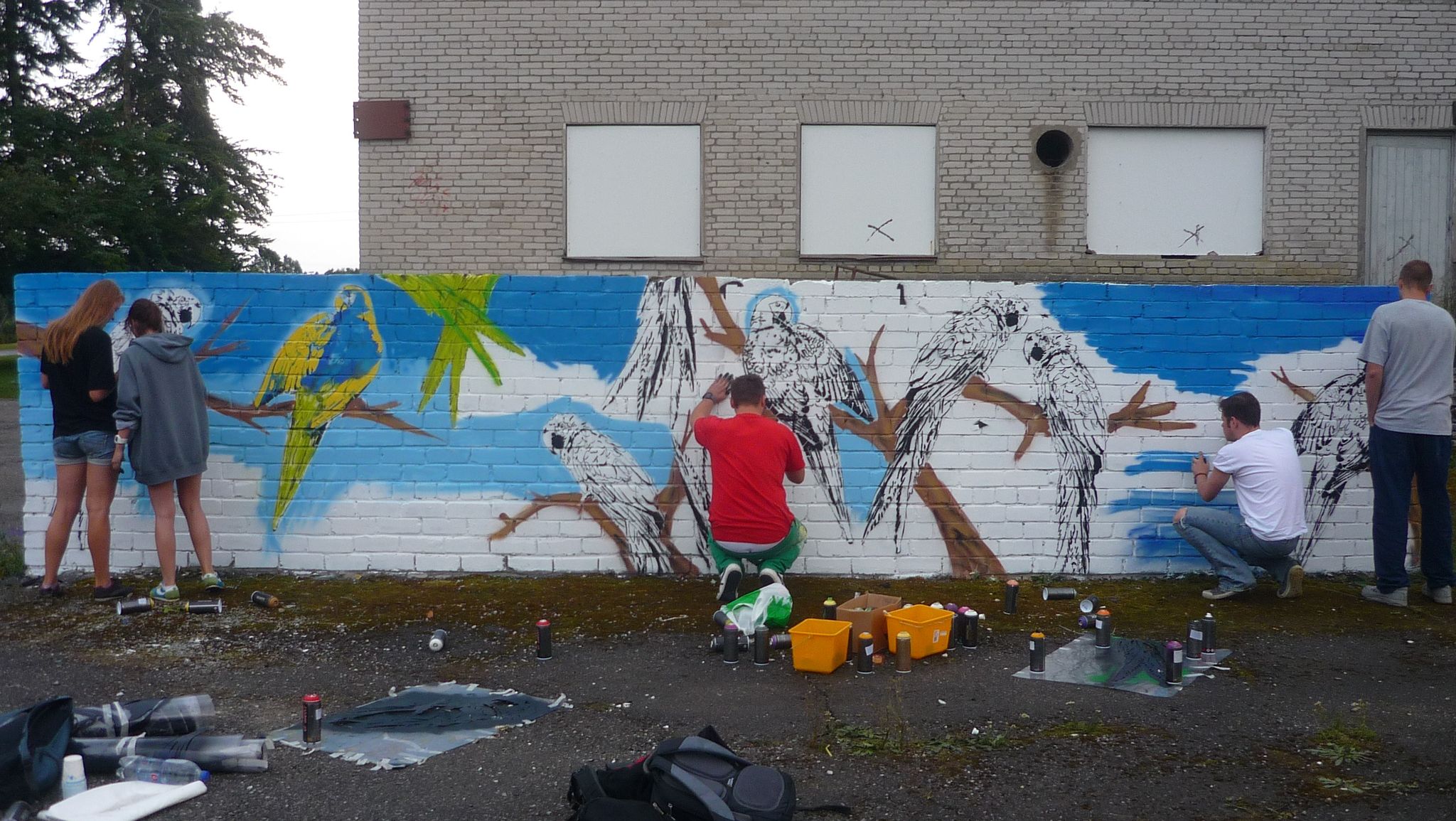
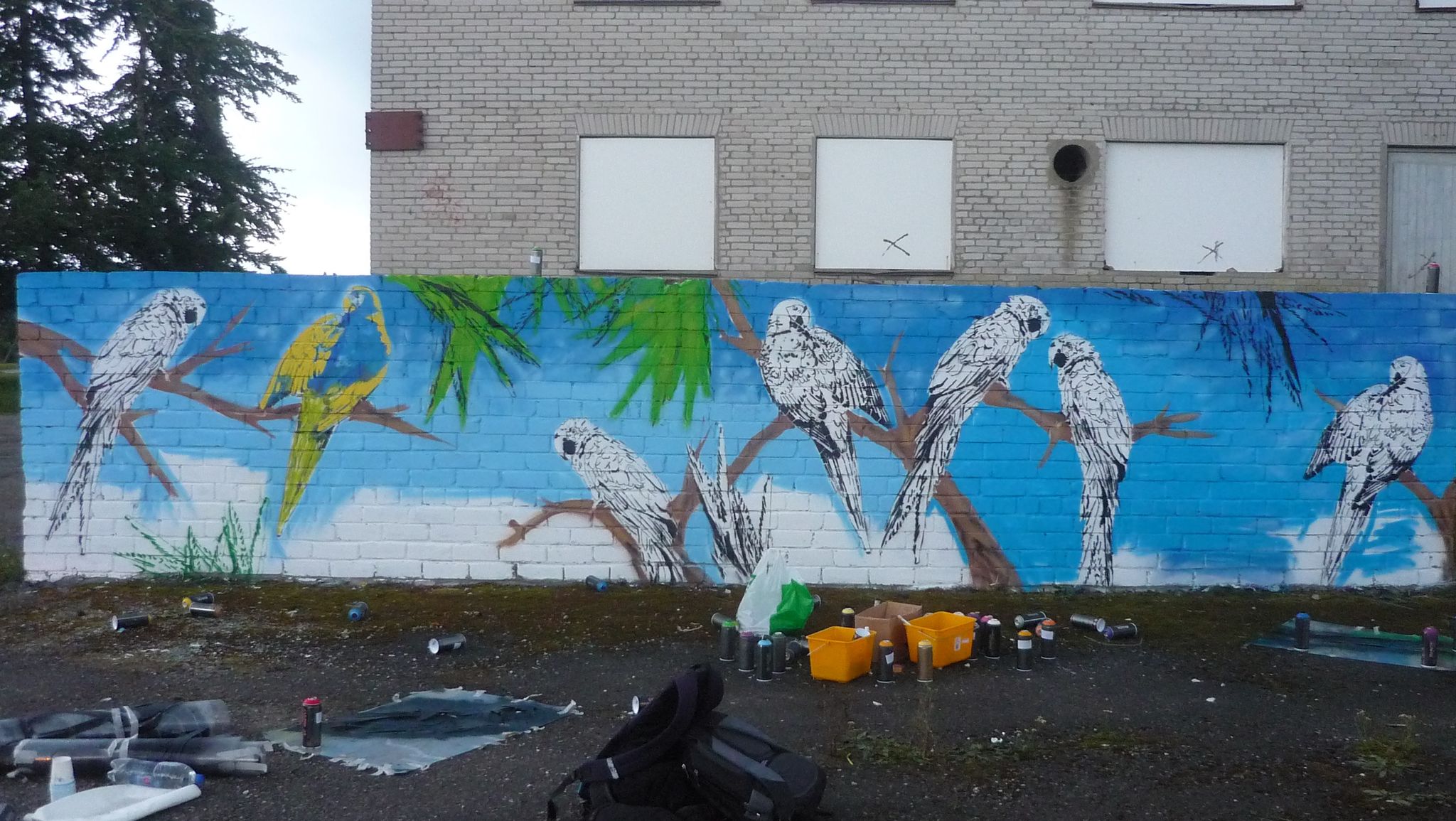
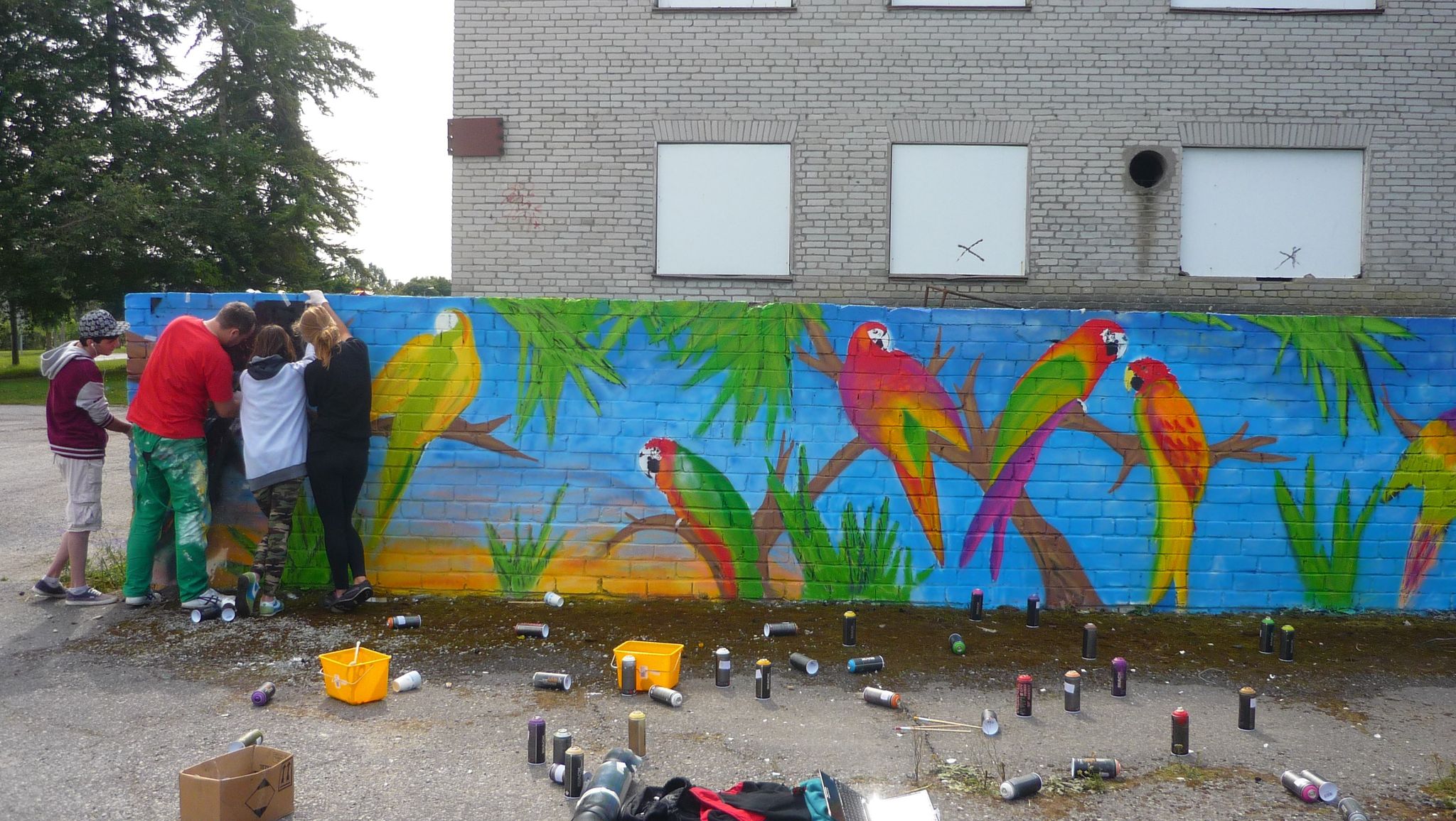
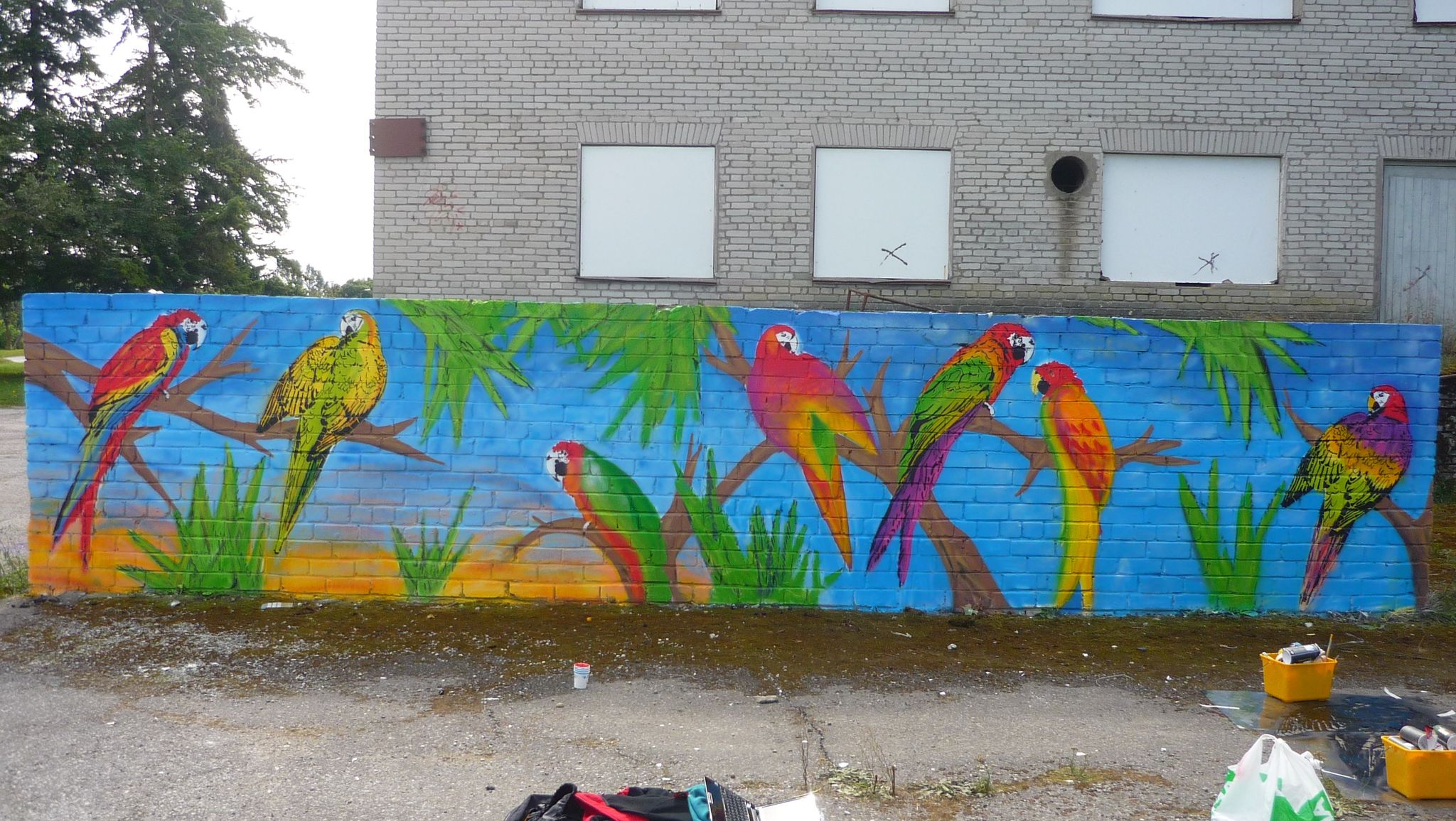
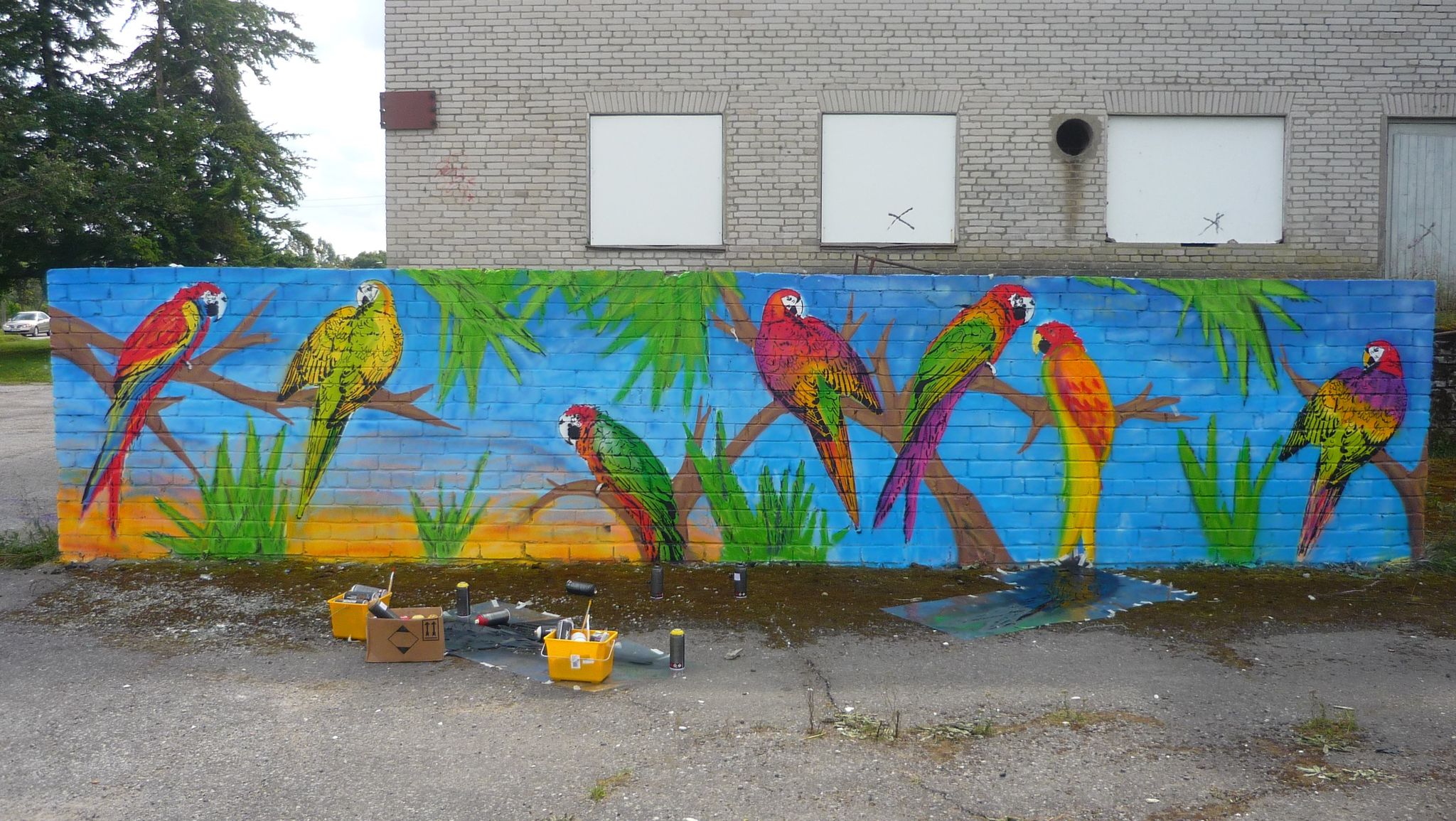
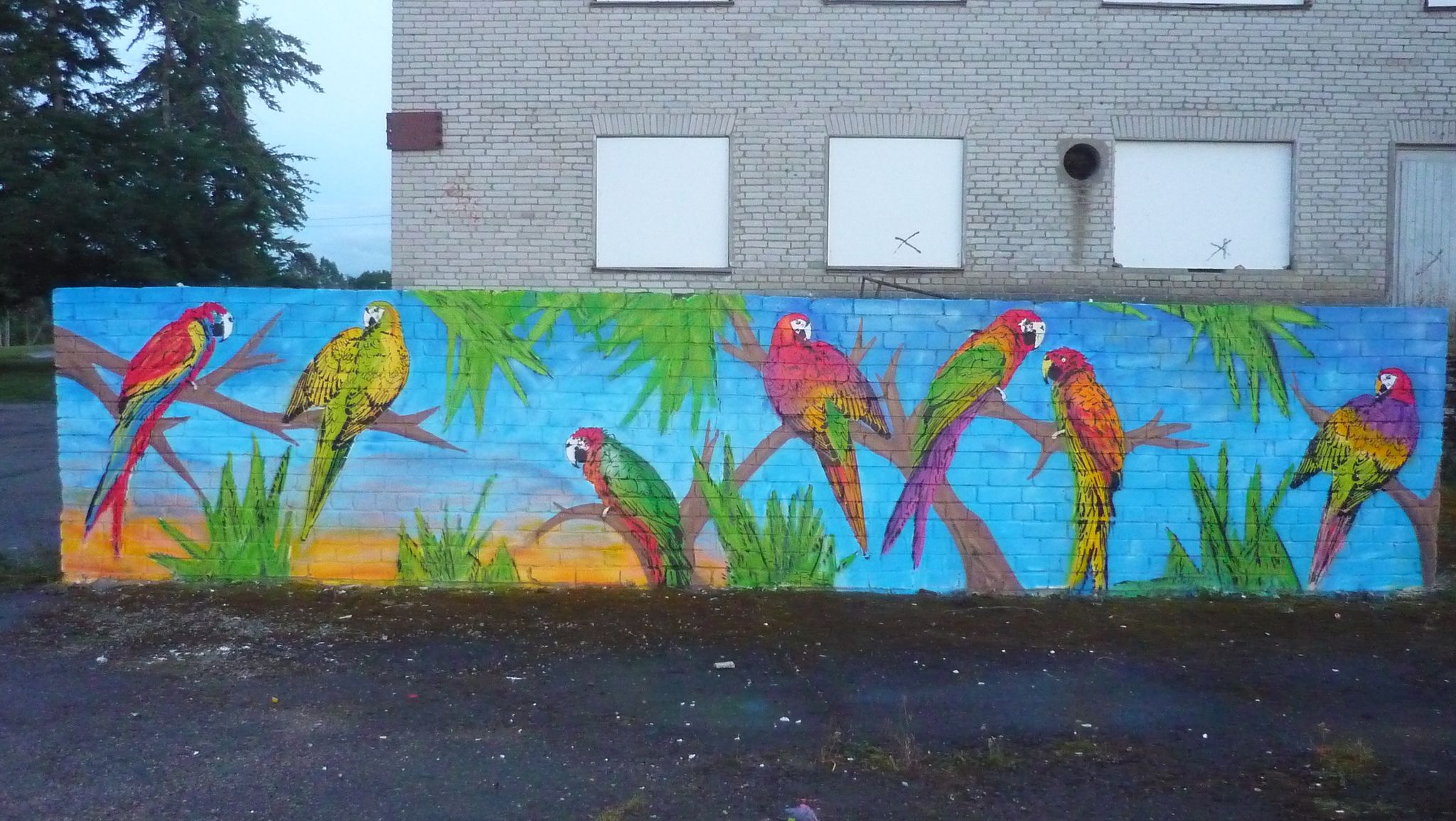
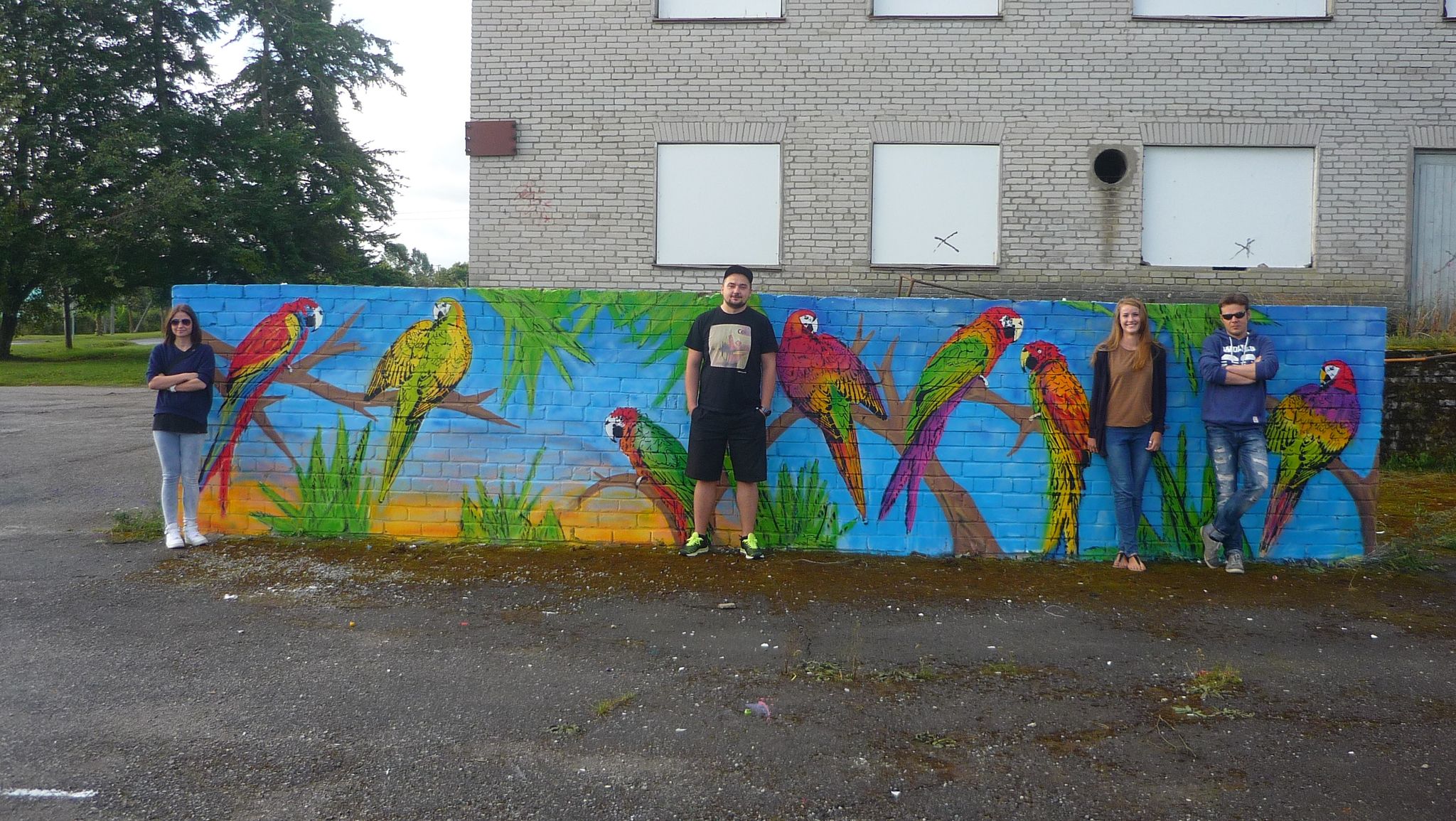
MP: Currently, many cities have open galleries where you can legally paint. Now, in my opinion, obtaining permits is trivial - we liked the wall, we are looking for the owner, we prepare a letter with a description of our work or the project and we meet the owner.
AS: You met a lot of people from other countries with similar hobby. Have you noticed any differences between them in the approach to this topic?
MP: Different people, different views, and in our country it is even more. I don't know where it comes from, but I like this variety very much, because there is still plenty to watch.
AS: Graffiti cannot be made with crayons for 5 EUR. So what does this hobby look like from the financial point of view when you create it yourself, and how when you create it in a group of several people?
MP: It depends on who likes what, but nevertheless it is quite an individual form of expression, so working in a group you should develop a consensus at the project level. In fact, it is not cheap fun, although there are projects that can be easily done for less than 25 EUR.
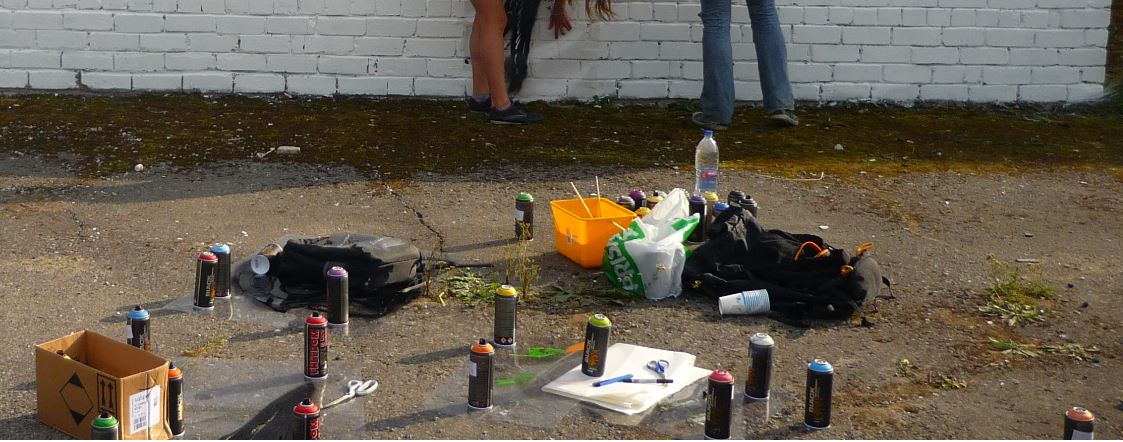
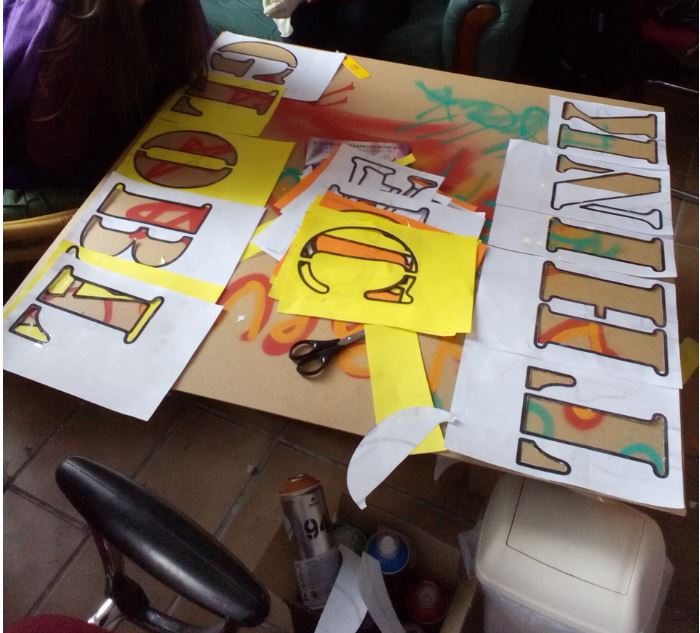
Let's start from the beginning, i.e. from the wall - if we know the size of the wall and know what technique we want to use, we are able to calculate the cost of materials. As a base for painting outside, it is necessary to cover the wall with facade paint, which will make the spray actually have the same color as on the palette, and it will last for several years without major damage.
Spray - prices range from 9 PLN to 20 PLN for a 400ml can. One such can is approximately 1m2 of painted surface. For this, it is mandatory to have painting tips with different widths (these are quite cheap, about 0,50 EUR per one), Solvent spray (about 20 PLN-one is enough) because despite the mask and gloves, we will definitely get dirty, and the solvent will also allow us to clean nozzles.
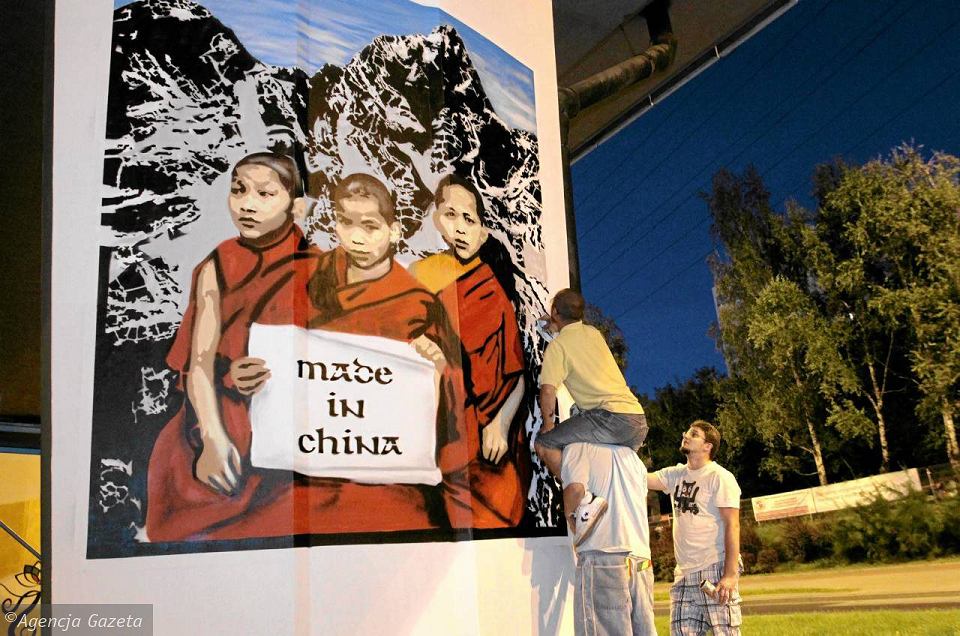
MP: A few years ago, my friends and I painted at the Free Tibet Gallery, located in Warsaw's Wola district. There was created a work showing three young buddhist monks holding in their hands a piece of paper with the words 'Made in China'.
MP: A mask, gloves and goggles are always advisable. The paints have quite a high dustiness, and combining it with wind, it is not difficult for the paint to get into the eye. The more complicated the work, the better mask you should have for your own comfort of work. Recently, water-based paints have been on sale, which are less toxic. But even with this one we should care about the safety rules.
AS: Let's go back for a moment to how people perceive graffiti. Have you ever encountered unpleasant reactions from passers-by while creating your works somewhere in public, or do they always react positively?
MP: Directly not. Rather, people are interested in what we create, how we do it, why it is created, and when it will be ready. Unfortunately, while doing one of the projects about 'graffiti and different cultures', our work was notoriously damaged by local racists because they didn't like the fact that graffiti presents people with different skin colors. That's probably all of the nasty things that happened.
AS: How graffiti looks from this artistic side. Are there any of the world's most famous artists? And do you have your favorite?
MP: Currently, every art gallery offers works in the field of graffiti / street art. New albums come out every year, there are many newspapers, movies and websites. Most of the creators also have their own social media profiles. The most famous, but not my favorite, is Banksy. There are a few artists whose work I like, but I don't have a favorite of mine. I think I can recommend the work of such people as Chazme, Monstfur, Bonbon, Etam Cru, Os Gemeos, Swanski, Dilk & Feros, Mgr Mors. In fact, these are a few creators that came to my mind quickly because there are so many of them.
AS: Matej, thank you so much for sharing your knowledge and experience with us. And see you later.
