 Angielski (ENG)
  Polski (PL)
What's under the water?
Matej Zverina is a participant in our youth exchanges and training courses that we conducted in Poland. We have also met with Matej multiple times on projects abroad, where HEureka Generator was a partner. However, today we will not be talking to Matej about projects but about his personal passion: scuba diving.
Antonina Suchecka, Kacper Kowalski: Hi everyone, we are here with Matej Zverina. Matej, tell us something about yourself.
Matej Zverina: I'm from the Czech Republic, I've been living in Brno for the past 13 years and I am volunteering in Erasmus+ projects. At first I started as a participant where I realized that I want to be part of it and then I became a volunteer and I feel it's a very important part of my life. My hobbies and passions are traveling, game design, photography, assisting with the lights in the film industry and scuba diving.
A.S & K.K: How did your journey with scuba diving start?
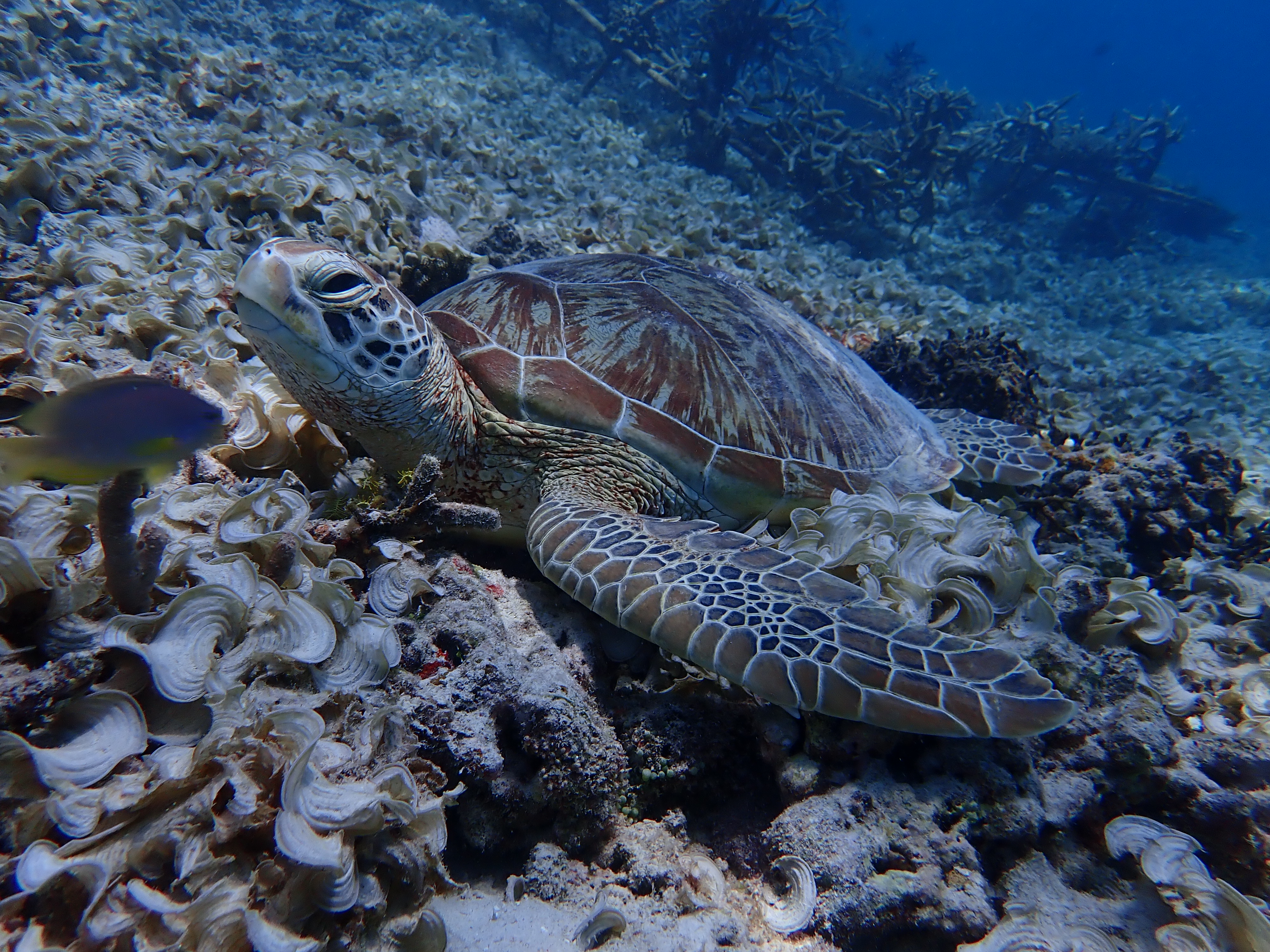
M.Z.: I’ve ended up with a situation when I was offered to try it while traveling around Indonesia, specifically in the small island called Gilli Trawangan and I’ve decided to step out of my comfort zone to go for my first dive. At first I was very scared as a lot for things were completely new to me, like wearing fins or rolling backwards into the water. When I saw the first turtle and other reef animals I fell in love with diving so much so I decided to go for an open water course which is the first diving certificate that allows you to dive.
A.S & K.K: Was it difficult to finish the first course?
M.Z.: Yes, it was quite difficult for me because I have never used fins before, the Gili islands are known for the current, and I was trying to figure out how to breathe properly as this is the way how you control if you’re going up and down underwater and breathing is connected with everything goes in your mind. So you can imagine you’re overwhelmed and trying to stay calm at the same time. It was quite a challenge but I’m really happy that I managed in the end.
A.S & K.K: What is the difference between normal photography and underwater photography?
M.Z.: The underwater photography is quite specific because of the special equipment that you need like underwater housing for the camera and lights and the environment that is imposing challenges in the form of light refraction which means that you are losing colors with the depth, strength of the water current, visibility, dealing with a lot of particles in the water and one of the biggest challenges is your own ability to dive. You have to be a really skilled diver to take pictures you want to be able to get close enough and also you have to learn a lot about animals that you want to take pictures of, to be able to actually find them.
Matej Zverina: I'm from the Czech Republic, I've been living in Brno for the past 13 years and I am volunteering in Erasmus+ projects. At first I started as a participant where I realized that I want to be part of it and then I became a volunteer and I feel it's a very important part of my life. My hobbies and passions are traveling, game design, photography, assisting with the lights in the film industry and scuba diving.
A.S & K.K: How did your journey with scuba diving start?
M.Z.: I’ve ended up with a situation when I was offered to try it while traveling around Indonesia, specifically in the small island called Gilli Trawangan and I’ve decided to step out of my comfort zone to go for my first dive. At first I was very scared as a lot for things were completely new to me, like wearing fins or rolling backwards into the water. When I saw the first turtle and other reef animals I fell in love with diving so much so I decided to go for an open water course which is the first diving certificate that allows you to dive.
A.S & K.K: Was it difficult to finish the first course?
M.Z.: Yes, it was quite difficult for me because I have never used fins before, the Gili islands are known for the current, and I was trying to figure out how to breathe properly as this is the way how you control if you’re going up and down underwater and breathing is connected with everything goes in your mind. So you can imagine you’re overwhelmed and trying to stay calm at the same time. It was quite a challenge but I’m really happy that I managed in the end.
A.S & K.K: What is the difference between normal photography and underwater photography?
M.Z.: The underwater photography is quite specific because of the special equipment that you need like underwater housing for the camera and lights and the environment that is imposing challenges in the form of light refraction which means that you are losing colors with the depth, strength of the water current, visibility, dealing with a lot of particles in the water and one of the biggest challenges is your own ability to dive. You have to be a really skilled diver to take pictures you want to be able to get close enough and also you have to learn a lot about animals that you want to take pictures of, to be able to actually find them.

A.S & K.K: What did you learn about coral reefs?
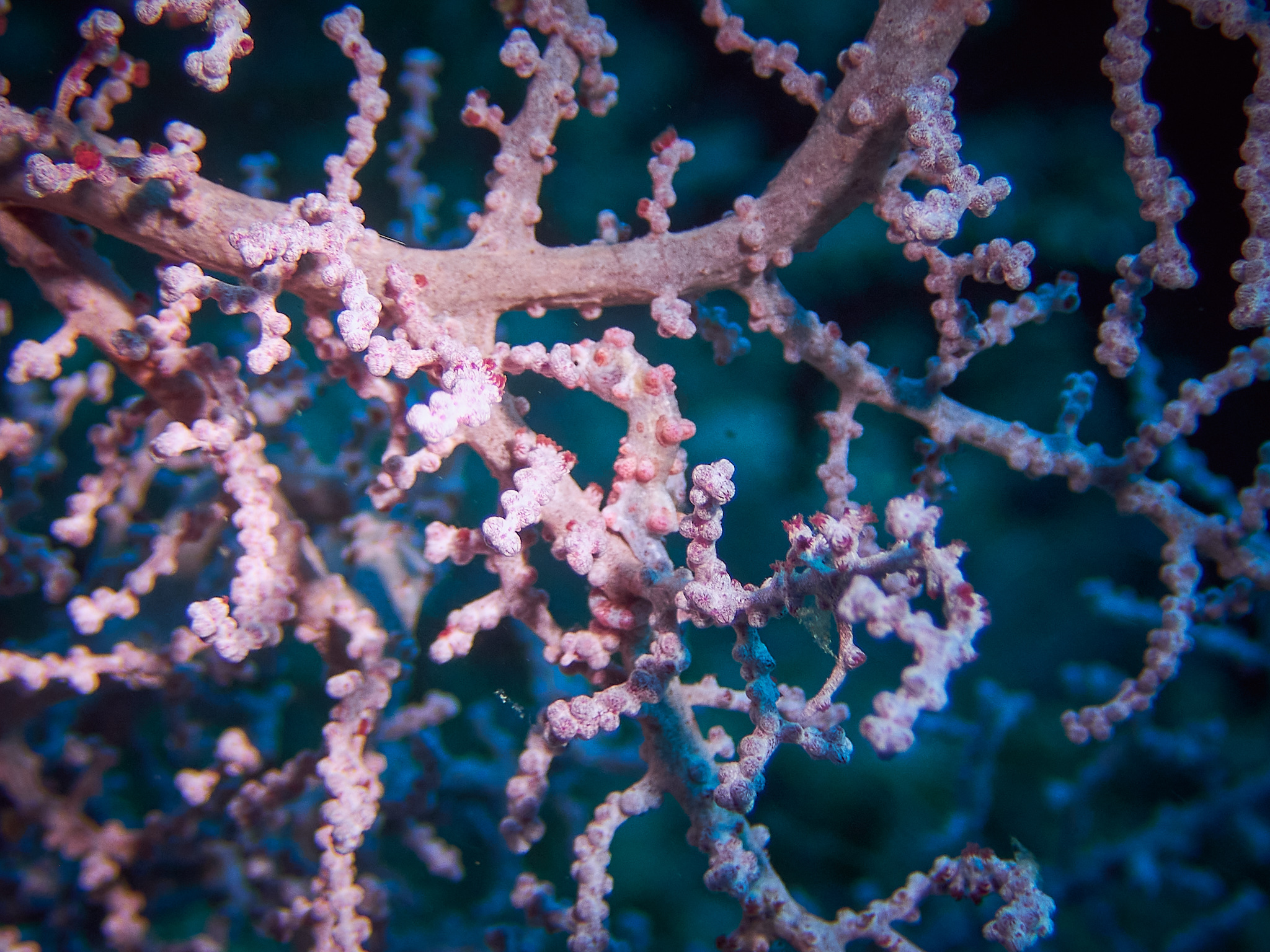
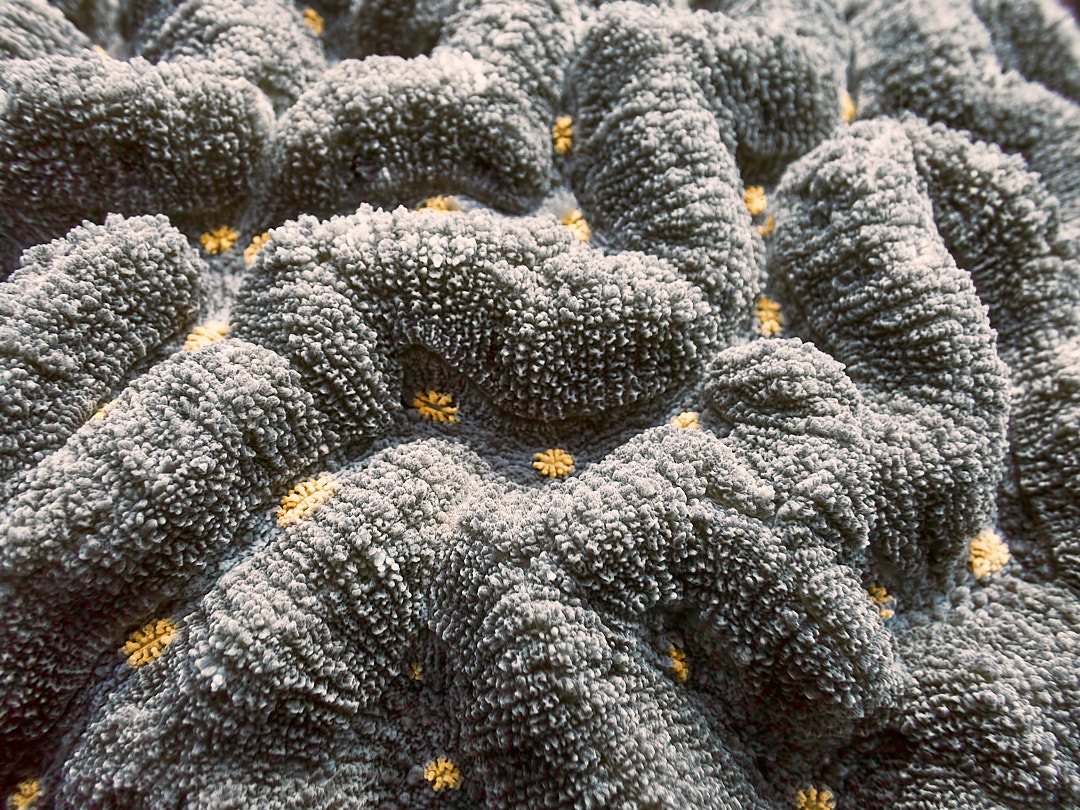
M.Z.: I've learned about coral reef ecosystems, specifically about why they are important for our environment and how complex they are. The coral reefs are nurseries for most of the marine species and they’re providing food and shelter. The biggest surprise for me was discovering that coral reefs need the water temperature between 25- 28C, so when we are talking about climate change the difference by 1C can be quite disastrous or that is changing ocean chemically as warmer water is able to absorb more of carbon dioxide that makes ocean more acidic. Corals also require the right amount of the light as a lot of corals are living in a symbiosis with algae that provides them with nutrients through photosynthesis and actually defines the color of the coral, so you can have the same species with multiple colors just because of different algae.
A.S & K.K: What are the major causes of damage to coral reefs?
M.Z.: There are many different causes of coral reef destruction from natural disasters to human introduced ones. If we look at the human causes of coral reef destruction it can be connected with coastal development, like when you want to build a new harbor or when boats are throwing anchors on top of the coral reefs. The other causes are connected with pollution like sediment runoff where water gets too dark so the light is not reaching corals and corals themselves are getting covered by it, then we can look at the nutrient pollution from agriculture fertilizers or the sewage from human settlements that throw of the fragile balance of the reef promoting the growth of sea sponges and algae that is overgrowing corals and suffocating them. Last but not least are destructive fishing methods such as trail line or dynamite fishing or the cyanide poisoning which is used for live aquarium trade.
M.Z.: I've learned about coral reef ecosystems, specifically about why they are important for our environment and how complex they are. The coral reefs are nurseries for most of the marine species and they’re providing food and shelter. The biggest surprise for me was discovering that coral reefs need the water temperature between 25- 28C, so when we are talking about climate change the difference by 1C can be quite disastrous or that is changing ocean chemically as warmer water is able to absorb more of carbon dioxide that makes ocean more acidic. Corals also require the right amount of the light as a lot of corals are living in a symbiosis with algae that provides them with nutrients through photosynthesis and actually defines the color of the coral, so you can have the same species with multiple colors just because of different algae.
A.S & K.K: What are the major causes of damage to coral reefs?
M.Z.: There are many different causes of coral reef destruction from natural disasters to human introduced ones. If we look at the human causes of coral reef destruction it can be connected with coastal development, like when you want to build a new harbor or when boats are throwing anchors on top of the coral reefs. The other causes are connected with pollution like sediment runoff where water gets too dark so the light is not reaching corals and corals themselves are getting covered by it, then we can look at the nutrient pollution from agriculture fertilizers or the sewage from human settlements that throw of the fragile balance of the reef promoting the growth of sea sponges and algae that is overgrowing corals and suffocating them. Last but not least are destructive fishing methods such as trail line or dynamite fishing or the cyanide poisoning which is used for live aquarium trade.
A.S & K.K: What's the way to protect yourself in case of a water creature attack?
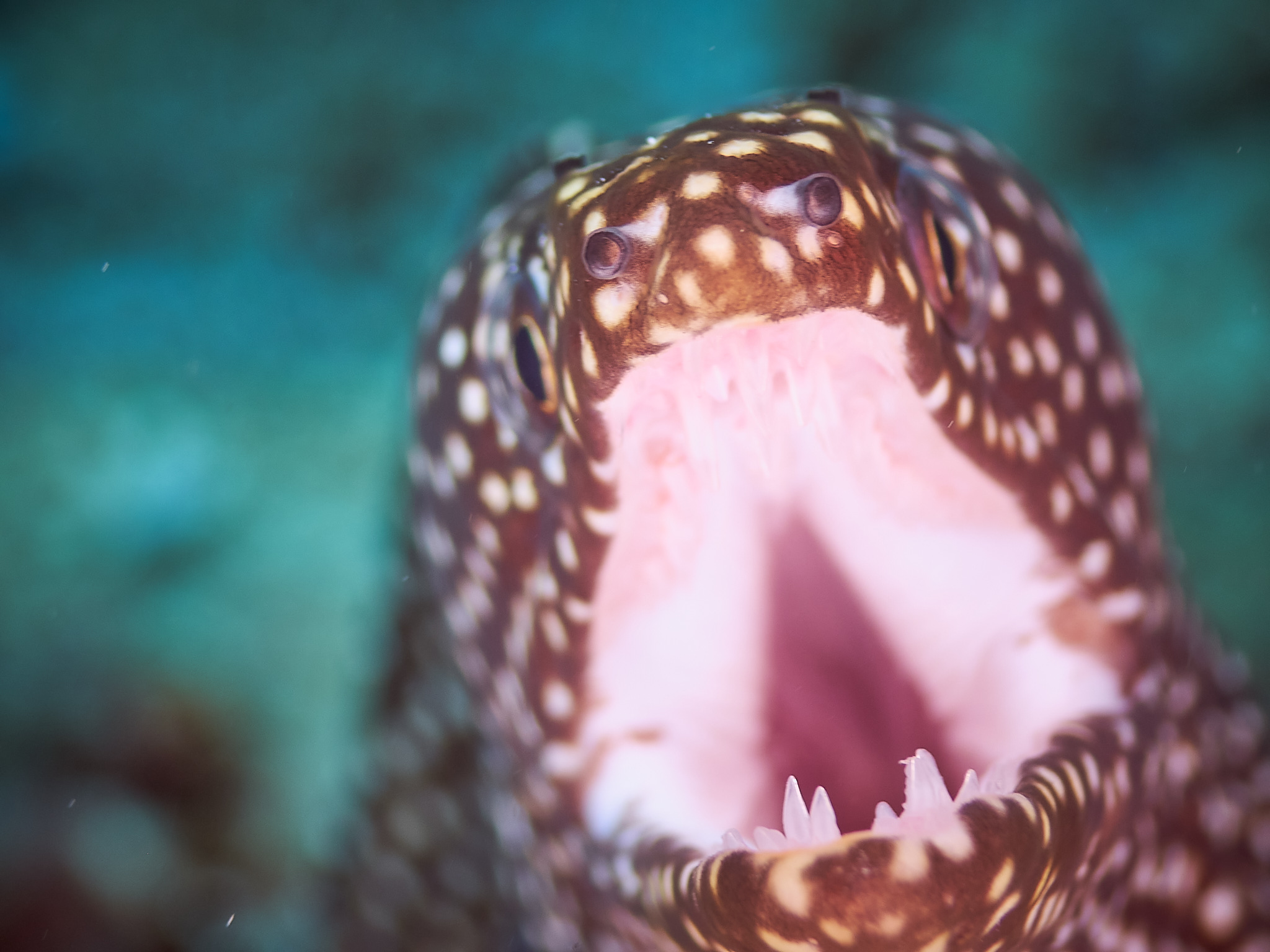
M.Z.: I’d say that the first rule of diving is to leave only bubbles. So don't touch anything under the water, don’t harass aquatic animals and there is a low chance that harm will come to you. Most underwater injuries come from irresponsible divers behaviors where the aquatic animals are trying to protect themselves. So my recommendation is to be responsible and aware.
A.S & K.K: What was the most dangerous situation that happened to you?
M.Z.: For me the most dangerous situation I’ve encountered underwater was while drift diving in low visibility conditions where I was going up to the surface in really strong current and almost got swept out to the open ocean, luckily my team was paying attention and our diving boat anticipated that we would go quite far away.
A.S & K.K: Have you ever been out of air, how to behave in that situation?
M.Z.: Personally I haven't gotten to the situation where I ran out of air, but I’ve encountered that situation with a few of my friends and I was helping them to get to the surface giving them my air to breathe. In the training and certifications you are learning about situations like this so when this happens you know what to do and you’re giving a clear signal to your buddy that you ran out of air and he will help you to get safely back to the surface.
A.S & K.K: What was the most interesting thing that you saw under the water?
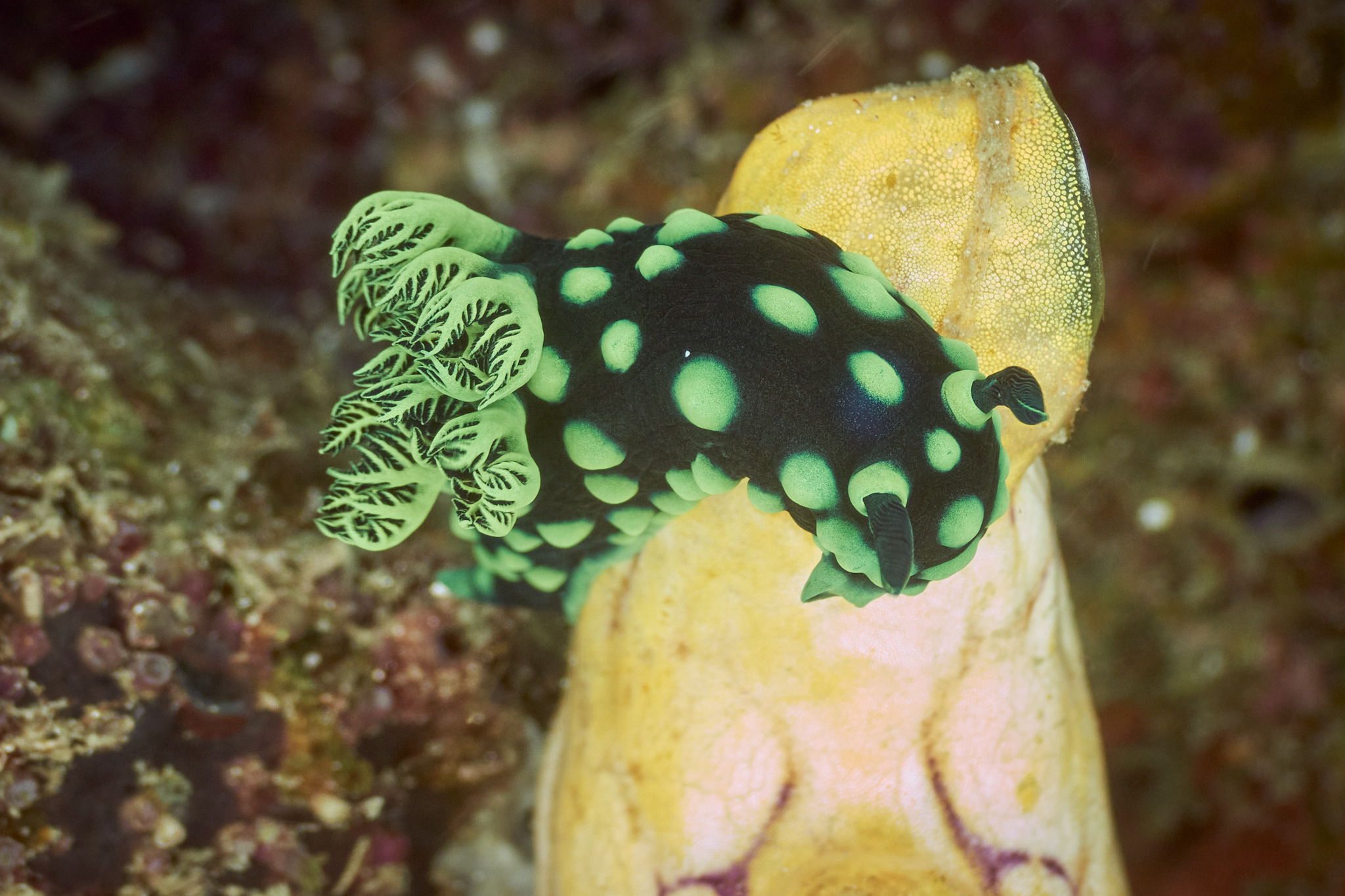
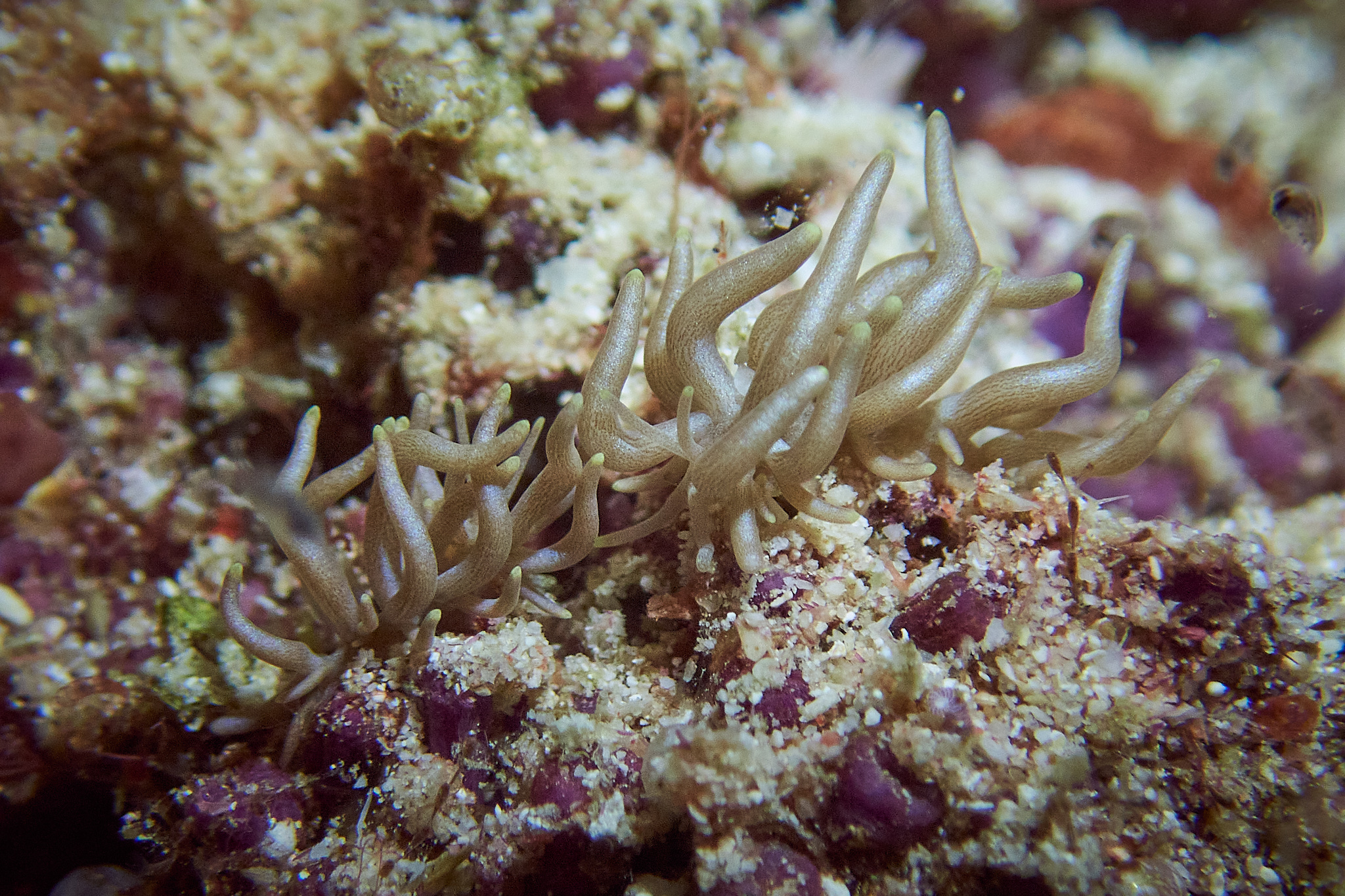
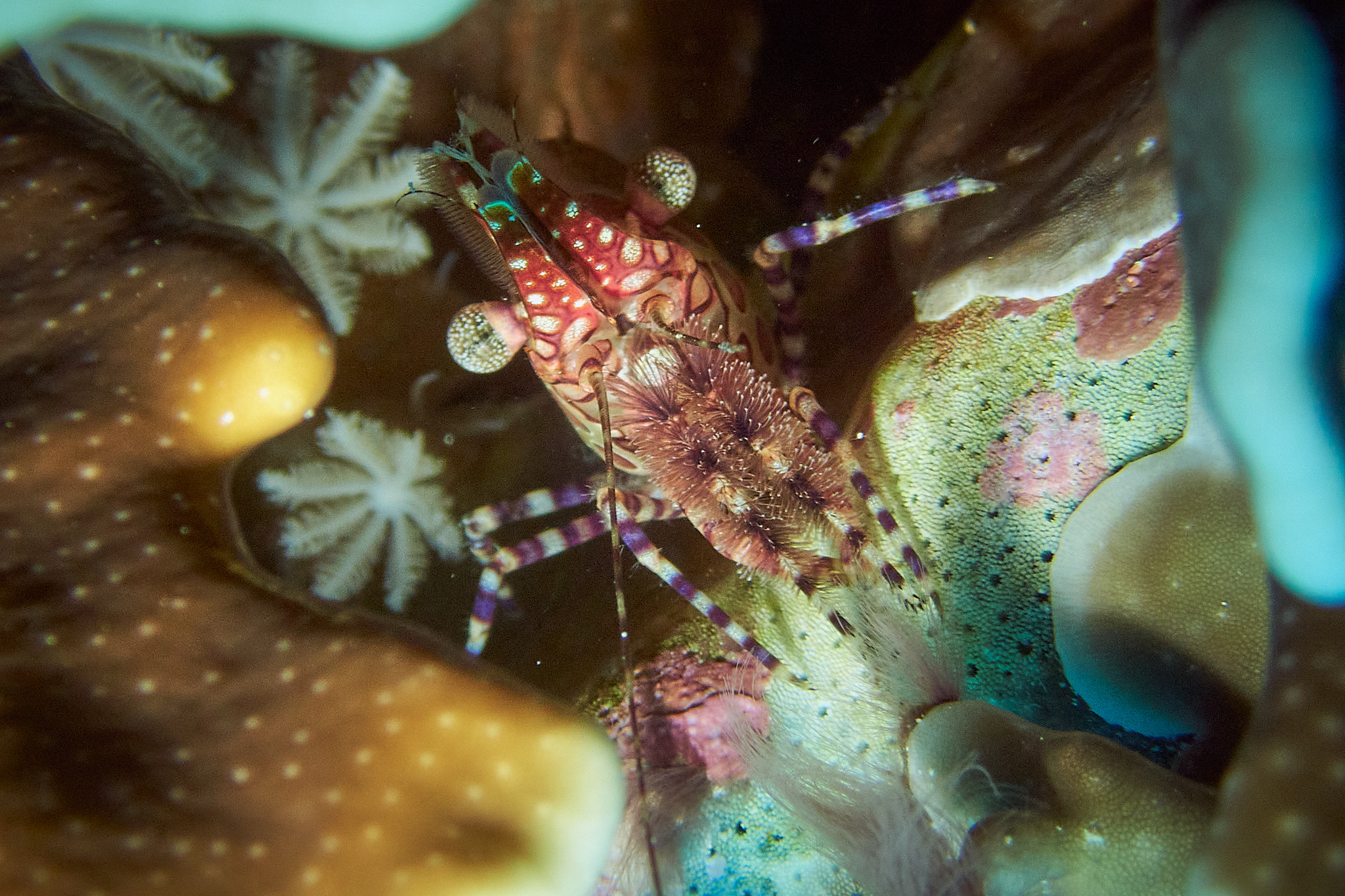
M.Z.: For me the most interesting encounter under the water was to see eagle rays. I'm finding interesting things with every dive I take, for example species of a coral that I haven't seen before, new species of the sea slugs or different fish behavior.
M.Z.: I’d say that the first rule of diving is to leave only bubbles. So don't touch anything under the water, don’t harass aquatic animals and there is a low chance that harm will come to you. Most underwater injuries come from irresponsible divers behaviors where the aquatic animals are trying to protect themselves. So my recommendation is to be responsible and aware.
A.S & K.K: What was the most dangerous situation that happened to you?
M.Z.: For me the most dangerous situation I’ve encountered underwater was while drift diving in low visibility conditions where I was going up to the surface in really strong current and almost got swept out to the open ocean, luckily my team was paying attention and our diving boat anticipated that we would go quite far away.
A.S & K.K: Have you ever been out of air, how to behave in that situation?
M.Z.: Personally I haven't gotten to the situation where I ran out of air, but I’ve encountered that situation with a few of my friends and I was helping them to get to the surface giving them my air to breathe. In the training and certifications you are learning about situations like this so when this happens you know what to do and you’re giving a clear signal to your buddy that you ran out of air and he will help you to get safely back to the surface.
A.S & K.K: What was the most interesting thing that you saw under the water?
M.Z.: For me the most interesting encounter under the water was to see eagle rays. I'm finding interesting things with every dive I take, for example species of a coral that I haven't seen before, new species of the sea slugs or different fish behavior.
A.S & K.K: What is your dream place to dive?
M.Z.: My dream place was to see the Raja Ampat that I managed to visit last year in november. This place is famous for pristine coral reefs and an amazing variety of the animals. It's located close to West Papua in Indonesia. One of the main reasons why it is still preserved is that it's a National Park where it is forbidden to fish and it is very remote from civilization so it’s not affected that much by human pollution.
A.S & K.K: Do you have any tips for beginners?
M.Z.: Be humble and respectful, try to learn with every dive you take and learn about the environment so you can protect it. When you are under water, everything you have on your mind on the surface goes with you under water so it's good to learn how to sort your thoughts and in this case meditation is a good habit to build.
A.S & K.K: Do you post your pictures somewhere, where we can find them?
M.Z.: At this moment I'm posting my pictures just on my instagram @turquoisebaret. In the future I would like to create a book for children with my friends to raise awareness about coral reefs in Europe as for most of us it’s quite an alien and distant world but definitely worth exploring and protecting. If you're interested in coral reef conservation and protection I recommend you to check @giliecotrust organisation where I was volunteering that focuses on coral reef conservation and protection.
A.S & K.K: Thank you very much for the interview and also for your time.
M.Z.: My dream place was to see the Raja Ampat that I managed to visit last year in november. This place is famous for pristine coral reefs and an amazing variety of the animals. It's located close to West Papua in Indonesia. One of the main reasons why it is still preserved is that it's a National Park where it is forbidden to fish and it is very remote from civilization so it’s not affected that much by human pollution.
A.S & K.K: Do you have any tips for beginners?
M.Z.: Be humble and respectful, try to learn with every dive you take and learn about the environment so you can protect it. When you are under water, everything you have on your mind on the surface goes with you under water so it's good to learn how to sort your thoughts and in this case meditation is a good habit to build.
A.S & K.K: Do you post your pictures somewhere, where we can find them?
M.Z.: At this moment I'm posting my pictures just on my instagram @turquoisebaret. In the future I would like to create a book for children with my friends to raise awareness about coral reefs in Europe as for most of us it’s quite an alien and distant world but definitely worth exploring and protecting. If you're interested in coral reef conservation and protection I recommend you to check @giliecotrust organisation where I was volunteering that focuses on coral reef conservation and protection.
A.S & K.K: Thank you very much for the interview and also for your time.
